
WASHINGTON – Asked to describe the current shape of the Middle East, a visiting Israeli official uses a Hebrew expression, gam vegam, which translates roughly to: “It’s going in both directions at once.”
The shards of the Middle East mosaic are as sharp and dangerous as ever, but U.S., Israeli and Arab officials say these pieces have been rearranged in the past few months – and may now fit together in different and often surprising ways.
However the next months unfold, 2016 will shape the options for the next president. The departing Barack Obama, who hoped to change the strategic balance in the Middle East, has partly done that – encouraging others to take a larger military role, for better or worse, but preserving U.S. diplomacy.
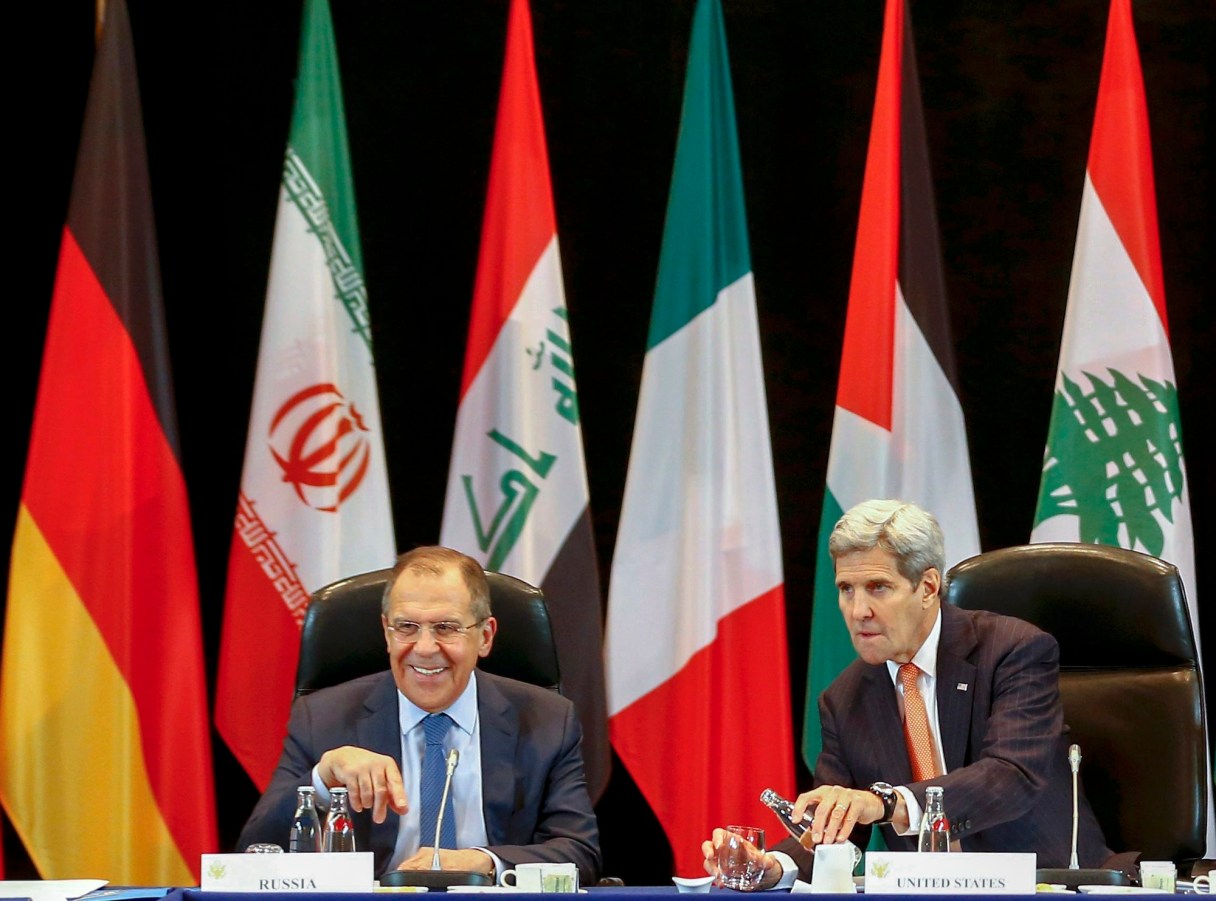
What are the new puzzle pieces? First, there’s Syria, arguably Obama’s greatest foreign policy failure. Despite a chorus of naysayers, Kerry has managed to cajole the various Syria antagonists – Russia, Iran, Turkey, Saudi Arabia, Jordan, the regime of Bashar al-Assad, the fractious opposition – into the same tent to work on details of a cease-fire.
This diplomatic process is fragile, and dependent on the goodwill of Russians and others who in the past have displayed only naked self-interest. But it’s not nothing. According to State Department estimates, relief convoys have reached 225,000 desperate Syrians in the past few weeks.