
Tuesday, November 10, 2026Nov 10

Global drive to stop jihadis going to Syria, Iraq

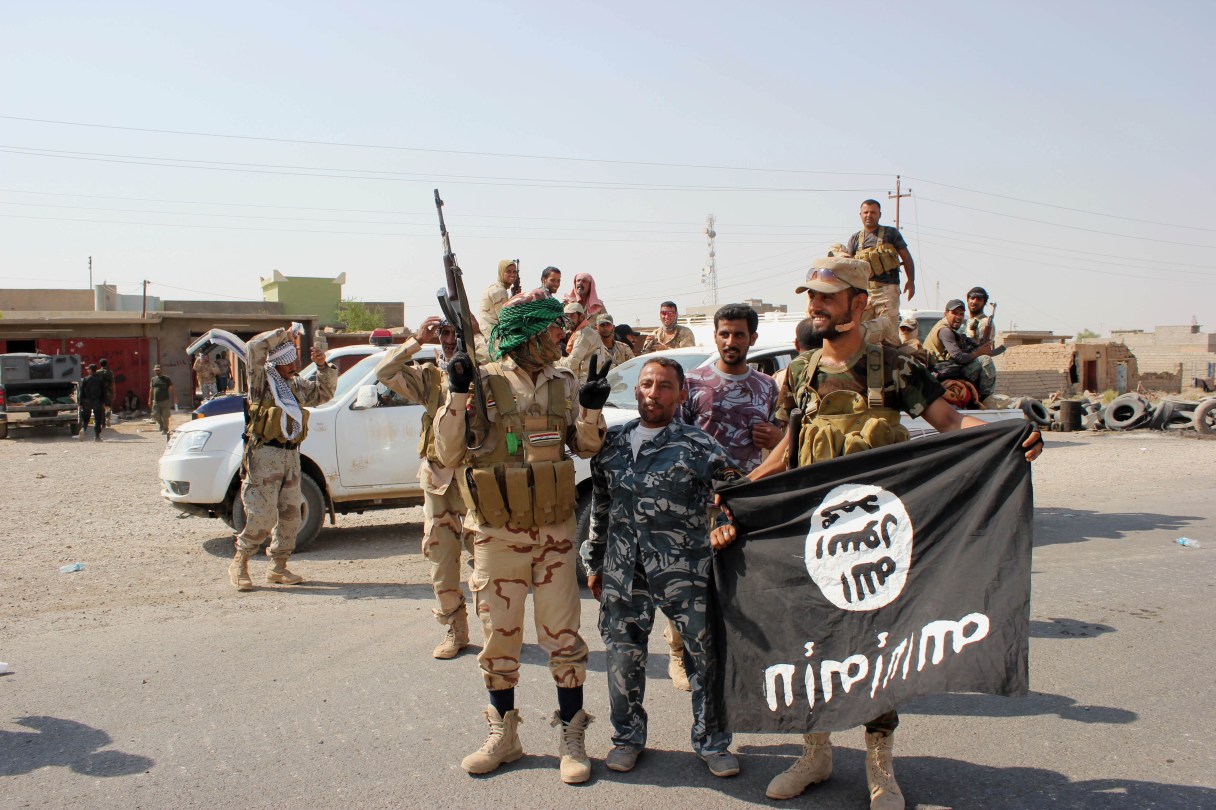
In this Monday, Sept. 1, 2014 photo, Shiite militiamen hold the flag of the Islamic State group they captured, during an operation outside Amirli, some 105 miles (170 kilometers) north of Baghdad, Iraq. Under the shadow of the Islamic State group threat, governments from France to Indonesia are moving aggressively to block would-be jihadis from taking their fight to Syria and Iraq. New laws make it easier to seize passports. Suspected fighters are being plucked from planes. Authorities are blocking finances and shutting down radical mosques. Behind the scenes, Western intelligence agencies are striving to stay ahead of tech-savvy radicalized Muslims by pressuring Silicon Valley firms to wipe extremist content from websites and toying with new technologies to identify returning fighters at the border. Britain has taken a particularly active role in censoring content deemed to break the country’s strict rules against extremist propaganda. U.K. officials recently revealed it had been granted “super flagger” status on sites such as YouTube, meaning their requests to remove videos with grisly content or that encourage terrorism are fast-tracked. (AP Photo)
In this Monday, Sept. 1, 2014 photo, Shiite militiamen hold the flag of the Islamic State group they captured, during an operation outside Amirli, some 105 miles (170 kilometers) north of Baghdad, Iraq. Under the shadow of the Islamic State group threat, governments from France to Indonesia are moving aggressively to block would-be jihadis from taking their fight to Syria and Iraq. New laws make it easier to seize passports. Suspected fighters are being plucked from planes. Authorities are blocking finances and shutting down radical mosques. Behind the scenes, Western intelligence agencies are striving to stay ahead of tech-savvy radicalized Muslims by pressuring Silicon Valley firms to wipe extremist content from websites and toying with new technologies to identify returning fighters at the border. Britain has taken a particularly active role in censoring content deemed to break the country’s strict rules against extremist propaganda. U.K. officials recently revealed it had been granted “super flagger” status on sites such as YouTube, meaning their requests to remove videos with grisly content or that encourage terrorism are fast-tracked. (AP Photo) In this Monday, Sept. 1, 2014 photo, Shiite militiamen hold the flag of the Islamic State group they captured, during an operation outside Amirli, some 105 miles (170 kilometers) north of Baghdad, Iraq. Under the shadow of the Islamic State group threat, governments from France to Indonesia are moving aggressively to block would-be jihadis from taking their fight to Syria and Iraq. New laws make it easier to seize passports. Suspected fighters are being plucked from planes. Authorities are blocking finances and shutting down radical mosques. Behind the scenes, Western intelligence agencies are striving to stay ahead of tech-savvy radicalized Muslims by pressuring Silicon Valley firms to wipe extremist content from websites and toying with new technologies to identify returning fighters at the border. Britain has taken a particularly active role in censoring content deemed to break the country’s strict rules against extremist propaganda. U.K. officials recently revealed it had been granted “super flagger” status on sites such as YouTube, meaning their requests to remove videos with grisly content or that encourage terrorism are fast-tracked. (AP Photo)

PARIS (AP) – New laws make it easier to seize passports. Suspected fighters are plucked from planes. Authorities block finances and shut down radical mosques.

And behind the scenes, Silicon Valley firms are under increasing pressure to wipe extremist content from websites as Western intelligence agencies explore new technologies to identify returning fighters at the border.

Governments from France to Indonesia have launched urgent drives to cut off one of the Islamic State group’s biggest sources of strength: foreign fighters. At the heart of the drive is mounting concern that the organization is training the next generation of international terrorists.

Those fears have gained urgency from the group’s horrific methods: A British militant is suspected of beheading two American journalists, and a Frenchman who fought with the Islamic State group is accused in a deadly attack on a Jewish museum in Belgium.

With each video that ricochets around social networks, the militants gain new recruits.