
DUBAI, United Arab Emirates (AP) – In Libya, militias armed with shoulder-launched missiles are battling for control of the country’s main airport. In Africa, the entire Sahel region is awash with weapons that include portable air defense systems leftover from the ouster of Moammar Gadhafi.
Then there’s Syria’s civil war, in which thousands of soldiers have defected and set up new battalions that have shot down military helicopters and jets. And in Iraq, the al-Qaida breakaway group that has taken huge swaths of territory seized weapons depots all along the way.
The world is pockmarked with volatile hot spots stretching from West Africa to Central Asia – a wide arc where commercial flights and airline passengers could potentially be at risk from ground-based weapons. Although counter-terrorism and weapons experts say the skies are largely safe, the downing of Malaysian Airlines Flight 17 illustrates the dangers inherent in any flight over unstable territory where sophisticated weapons might be available to militants.
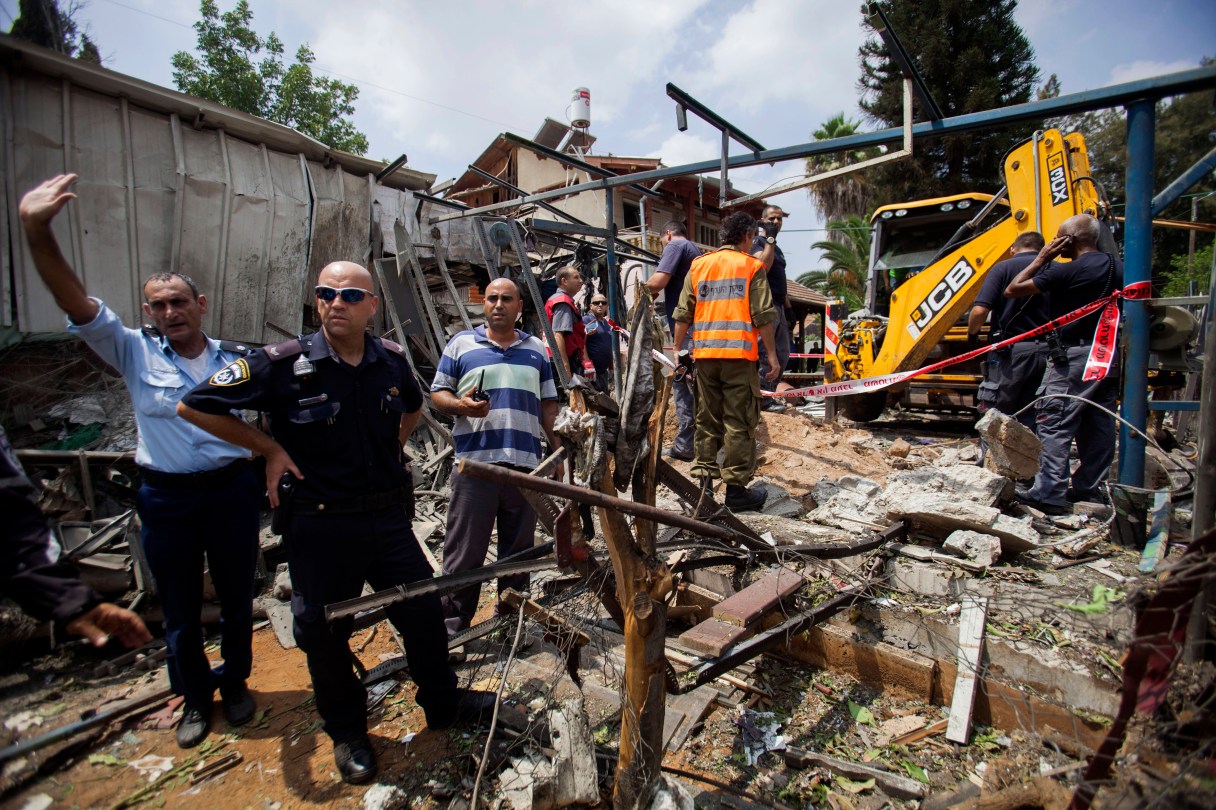
On Tuesday, those risks were underscored by the U.S. Federal Aviation Administration, which told American airlines they were prohibited from flying to the Tel Aviv airport in Israel for at least 24 hours following the explosion of a rocket fired from Hamas-ruled Gaza in the latest war between Palestinians and the Jewish state.
The FAA has also prohibited flights in Libya, northern Ethiopia, North Korea and the eastern Ukraine Crimea region, and prohibited flights below a certain altitude in Iraq and Somalia.