
Tuesday, November 10, 2026Nov 10

Don Draper and ‘Mad Men’ archive land at University of Texas

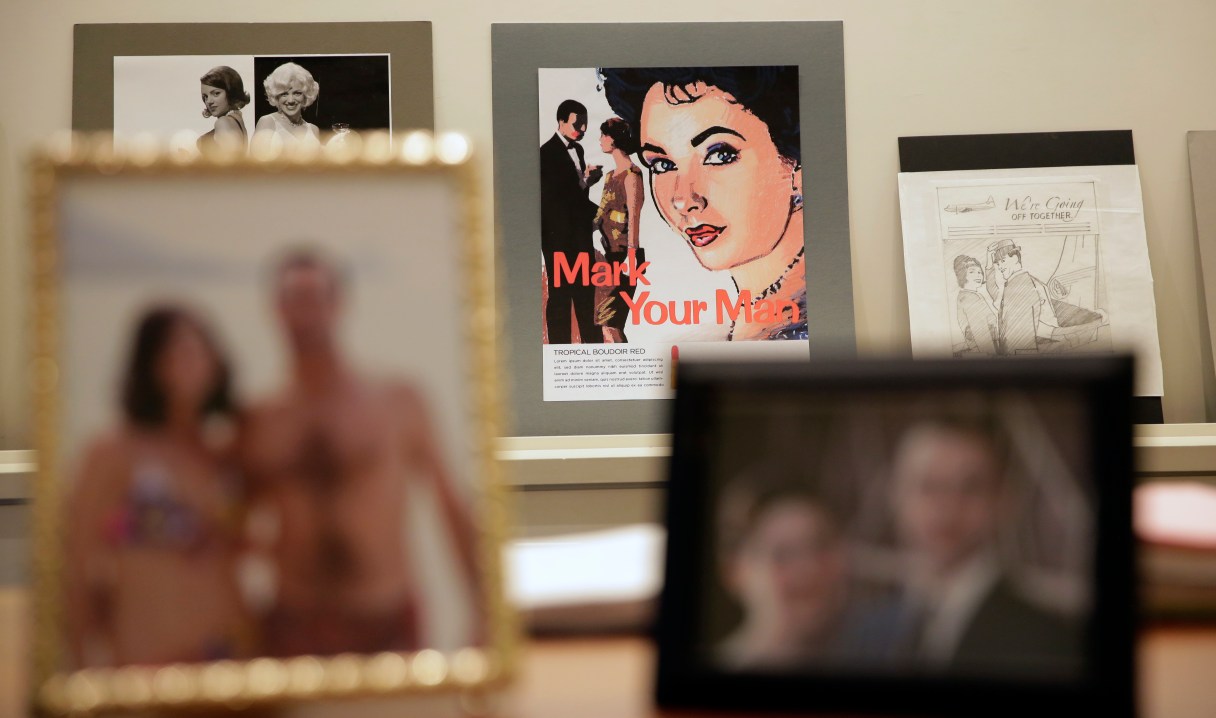
In this Monday, Jan. 9, 2017 photo, donated props from the show "Mad Men" are seen on display at the University of Texas' Harry Ransom Center humanities library in Austin, Texas. Included in the donation are boxes of scripts, drafts and notes, props, costumes, digital video and reams of research materials that went into creating the show's richly-detailed presentation of the American 1960s. (AP Photo/Eric Gay)
In this Monday, Jan. 9, 2017 photo, donated props from the show "Mad Men" are seen on display at the University of Texas' Harry Ransom Center humanities library in Austin, Texas. Included in the donation are boxes of scripts, drafts and notes, props, costumes, digital video and reams of research materials that went into creating the show's richly-detailed presentation of the American 1960s. (AP Photo/Eric Gay) In this Monday, Jan. 9, 2017 photo, donated props from the show "Mad Men" are seen on display at the University of Texas' Harry Ransom Center humanities library in Austin, Texas. Included in the donation are boxes of scripts, drafts and notes, props, costumes, digital video and reams of research materials that went into creating the show's richly-detailed presentation of the American 1960s. (AP Photo/Eric Gay)

AUSTIN, Texas (AP) – The last America saw of Don Draper, he was meditating on a Pacific hillside, imagining one of the iconic ads in television history.

What’s left of the flawed protagonist of “Mad Men” has now gone to Texas.

Show creator Matthew Weiner and production company Lionsgate have donated the “Mad Men” archive – scripts, drafts, notes, props, costumes, digital video and reams of research materials that went into creating the show’s richly-detailed presentation of the American 1960s – to the University of Texas’ Harry Ransom Center humanities library.

Weiner, who also wrote and directed many episodes, said he donated the archive to the Ransom Center because he couldn’t stand the thought of the material being dispersed at auction or lost forever.

“There is a record here of mid-century America that digs so deep,” Weiner said. “It would have been sad to let that go.”