
Thursday, October 29, 2026Oct 29

This story is free to read.

Proposal would require permit for media filming

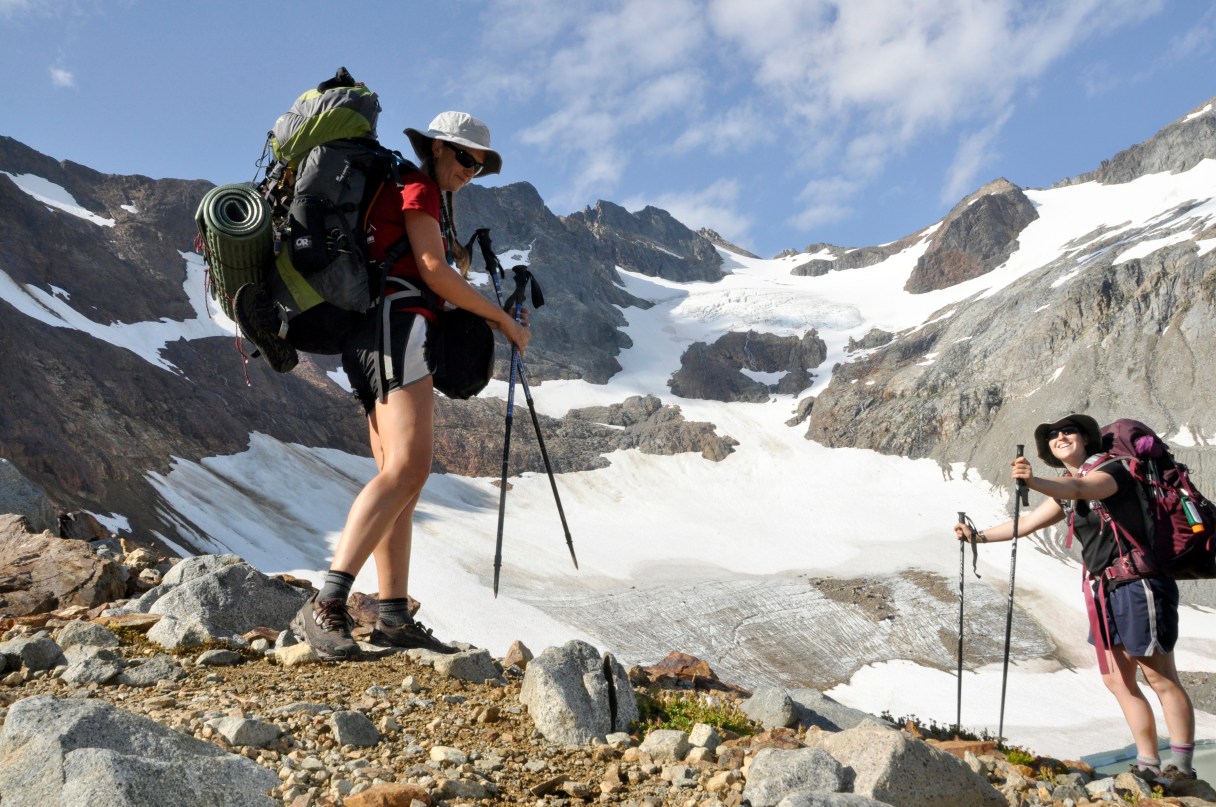
FILE - In this August 2013 file photo, Holly Weiler, left, and Samantha Journot of the Spokane Mountaineers hike past Lyman Glacier as they head toward Spider Gap to complete a loop backpacking trek in Washington state's Glacier Peak Wilderness. The U.S. Forest Service is proposing rules that restrict filming and photography by media organizations and others in more than 100 million acres of the nation's wilderness, Wednesday, Sept. 24, 2014.  (AP Photo/The Spokesman-Review, Rich Landers, File) COEUR D'ALENE PRESS OUT
FILE - In this August 2013 file photo, Holly Weiler, left, and Samantha Journot of the Spokane Mountaineers hike past Lyman Glacier as they head toward Spider Gap to complete a loop backpacking trek in Washington state's Glacier Peak Wilderness. The U.S. Forest Service is proposing rules that restrict filming and photography by media organizations and others in more than 100 million acres of the nation's wilderness, Wednesday, Sept. 24, 2014. (AP Photo/The Spokesman-Review, Rich Landers, File) COEUR D'ALENE PRESS OUT FILE - In this August 2013 file photo, Holly Weiler, left, and Samantha Journot of the Spokane Mountaineers hike past Lyman Glacier as they head toward Spider Gap to complete a loop backpacking trek in Washington state's Glacier Peak Wilderness. The U.S. Forest Service is proposing rules that restrict filming and photography by media organizations and others in more than 100 million acres of the nation's wilderness, Wednesday, Sept. 24, 2014. (AP Photo/The Spokesman-Review, Rich Landers, File) COEUR D'ALENE PRESS OUT

SEATTLE (AP) – The U.S. Forest Service is proposing permanent new rules that would require media organizations to obtain a permit to film and shoot photographs in more than 100 million acres of the nation’s wilderness.

Under the plan, the Forest Service would consider the nature of a proposed project before approving a special use permit then charge fees of up to $1,500 for commercial filming and photography in federally designated wilderness areas.

Mickey H. Osterreicher, general counsel for the National Press Photographers Association, said such rules would be a clear violation of the First Amendment and raises concerns about press freedom, including whether denying a permit would amount to prior restraint.

“What if they deny you a permit because they don’t like the story you’re working on?” he asked.

Liz Close, the Forest Service’s acting wilderness director, said the Wilderness Act of 1964 prohibits commercial enterprise in wilderness.