
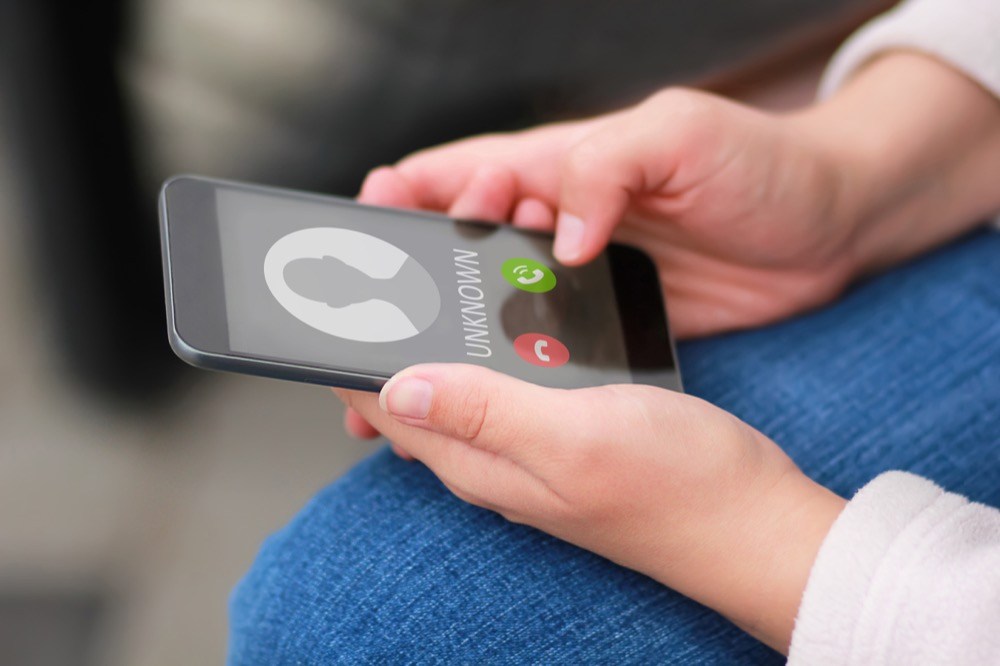
Continuing with last week’s harassing and frustrating robocalls, I bet all of us tear out our hair on a perpetual basis when the phone rings. It seems as if every time a so-called fix rolls around, legitimate and especially the scammers defeat it. Once upon a time, the Do Not call List was a godsend but, unfortunately, this, too, has slipped by the wayside in these days of sophisticated and fraudulent telephone technology. So what in heaven’s name can poor consumers do to help avoid robo-headaches once and for all? Consumer Reports and the FTC offer some helpful tips.
Let’s start with our phone carriers, of whom the biggest have pledged to support new network technology with the provocative name “STIR/SHAKEN” that promises to help identify the true origin of calls once all the program kinks are worked out.
 Ellen Phillips
Most providers extend alerts – many of which are free – that an incoming call might be a telemarketer and, also, distinguish and block calls from probable scammers. For example, AT&T, T-Mobile and Verizon offer free services that monitor network activity and crowdsourced reports to block suspected fraudulent calls. The carriers outsource these services to Hiya, First Orion and TNS, respectively. They do cross-check your contacts list to make sure they don’t block someone legitimate.
On the other hand, those that provide extended security and call controls will cost; for instance, AT&T’s Mobile Security Call & Protect Plus provides a secure WiFi virtual private network. For those who use Verizon like I do, download an app called Verizon Call Filter, available now for iPhones and coming in a few weeks for Android. In fact, this phone giant’s basic service tags suspected robocalls and gives us three options based on risk level for how many to block. (All!) Most T-Mobile customers already have the company’s Scam ID and Scam Block service turned on, with no need to download an additional app. For all other providers, check their websites to look for links about call security/blocking.
Call-blocking apps can block many robocalls before they reach the users. By using the FTC’s blacklist as well as artificial intelligence tech that flags suspicious numbers, the app(s) can be of huge help. Moreover, they allow users to block numbers or create a list of numbers to allow. Nomorobo, of which I’ve written in the past, is free for landlines and costs $2 for cell phones; other free apps include Hiya, YouMail, Robokiller, Truecaller, and Mr. Number, among others. Be certain to read and understand each app’s service and privacy rules.