
Thursday, October 29, 2026Oct 29

This story is free to read.

Draft a sign of progress on South China Sea code of conduct

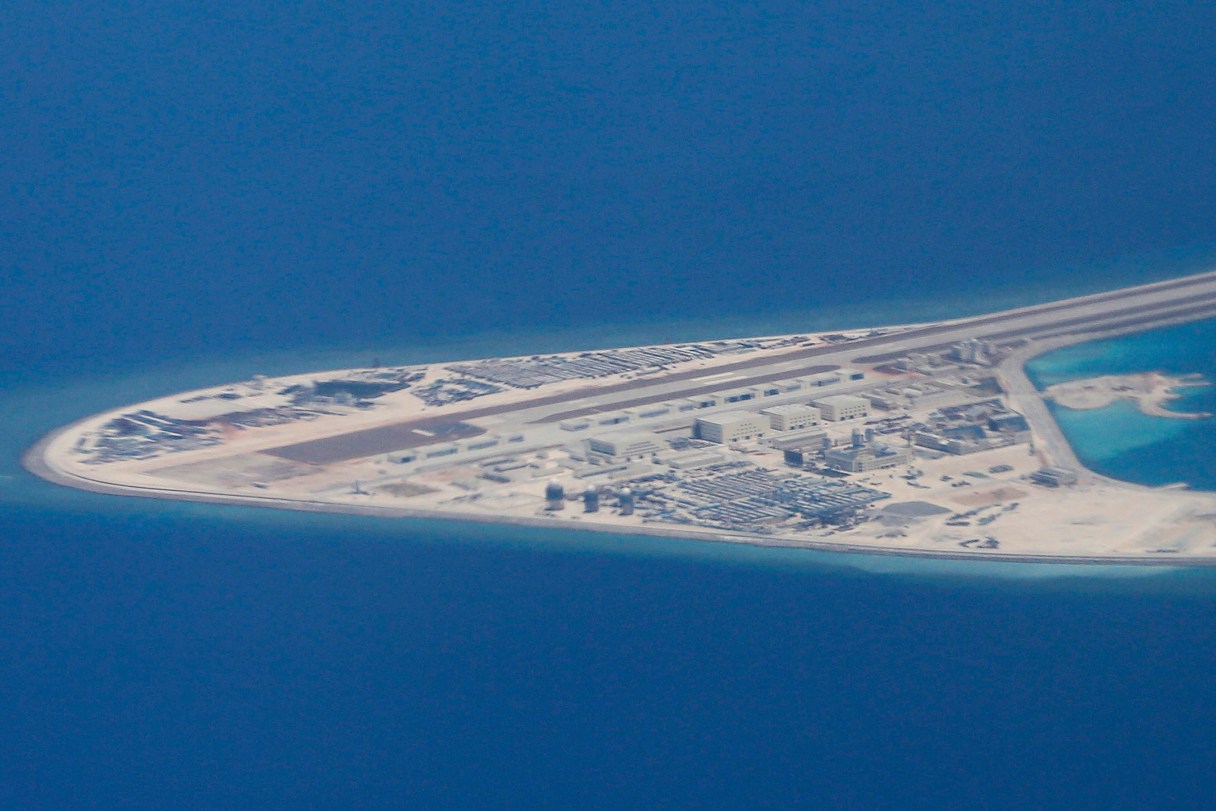
FILE - In this April 21, 2017, file photo, Chinese structures and an airstrip on the man-made Subi Reef at the Spratly group of islands in the South China Sea are seen from a Philippine Air Force C-130. China on Friday, May 19, 2017, said it reached agreement with the 10 countries of the Association of Southeast Asia Nations (ASEAN) on the rough outline of a legally binding code of conduct designed to prevent clashes in the strategic South China Sea. (Francis Malasig/Pool Photo via AP, File)
FILE - In this April 21, 2017, file photo, Chinese structures and an airstrip on the man-made Subi Reef at the Spratly group of islands in the South China Sea are seen from a Philippine Air Force C-130. China on Friday, May 19, 2017, said it reached agreement with the 10 countries of the Association of Southeast Asia Nations (ASEAN) on the rough outline of a legally binding code of conduct designed to prevent clashes in the strategic South China Sea. (Francis Malasig/Pool Photo via AP, File) FILE - In this April 21, 2017, file photo, Chinese structures and an airstrip on the man-made Subi Reef at the Spratly group of islands in the South China Sea are seen from a Philippine Air Force C-130. China on Friday, May 19, 2017, said it reached agreement with the 10 countries of the Association of Southeast Asia Nations (ASEAN) on the rough outline of a legally binding code of conduct designed to prevent clashes in the strategic South China Sea. (Francis Malasig/Pool Photo via AP, File)

BEIJING (AP) – A framework agreement between China and the Association of Southeast Asia Nations on a code of conduct in the South China Sea marks a potentially significant step toward cooling tensions in the strategic waterway, analysts said Friday.

While details of the agreement reached Thursday weren’t disclosed, it is a definite sign of progress on reaching a final code of conduct that the parties committed to 15 years ago, the experts said.

Until recently, progress has been slow amid disputes over the body of water that China claims virtually in its entirety.

For China, the code of conduct is a means to achieving its goal of keeping the U.S. and its allies from intervening in the matter in the name of freedom of navigation or maintaining regional stability, said Huang Jing, an expert on the region at National University of Singapore’s Lee Kuan Yew School of Public Policy.

“China can say, ‘Look we have already reached agreements, are behaving ourselves, so no need for you Americans or others to come in and get in our business,'” Huang said in a telephone interview.