
Read more
Tennessee ACT scores remain static Hamilton County’s TCAP scores fall below state averages
Stop the presses.
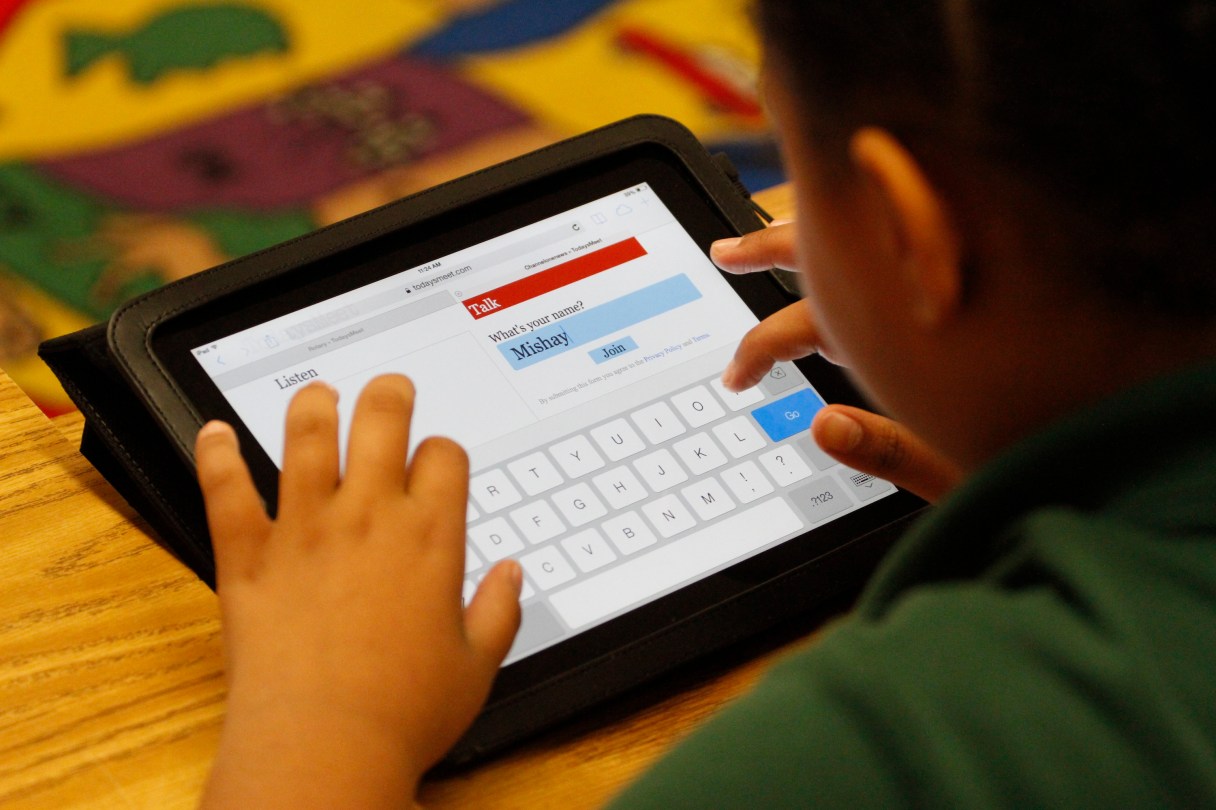
Hamilton County Schools Superintendent Rick Smith said the school district can no longer neglect the importance of technology in classroom instruction, and it is time to hire an assistant superintendent of innovation.
We’re glad he’s finally gotten the message. After all, how many times in the past five or 10 years have we folks here in Gig City read about this dire schools technology need in the quotes from leaders of every group ranging from the Chamber of Commerce to PTAs to city leaders to these editorial pages?
What’s all the more astounding is that, according to Smith, money has been set aside in the budget for years to fund the position. “For years,” Times Free Press reporter Kendi Anderson paraphrased him. But Tuesday he said he’s been waiting until “the time is right” to take action and make a hire.
We must wonder if the time is right now because the new TNReady tests have come into the 21st century and will be administered and scored and evaluated by computer?
Speaking of tests. Hamilton County ACT scores – the scores designed to assess college readiness – are flat. And they’ve been so for the past five years. Years.
Hamilton County’s average composite ACT score was 18.9 out of a possible 36. Tennessee’s average score was 19.8, the sixth lowest in the nation. That means only about 20 percent of Volunteer State students met benchmarks for college readiness in all four subjects tested on the ACT: English, math, science and biology. That’s not a promising figure for Gov. Haslam’s new Tennessee Promise – part of our state’s admirable goal to boost the rate of college graduates in the Volunteer State from 32 to 55 percent within the next 10 years. Years.
The ACT pain was announced Thursday – on the heels of county residents learning earlier this month that none of the county’s five iZone schools (each of which received $10 million in federal funds over three years to improve student performance in their schools of high-concentration poverty) had overall scores high enough to move them out of the state’s bottom 10 percent. The iZone program has worked in other areas of the state, but not here.
Adding insult to injury, that iZone schools pain was announced just a few days after we learned that students here tested below the state average in nine of the 10 tested categories by as many as 16.7 percentage points in the newest Tennessee Comprehensive Assessment Program test results. Further, the TCAP scores – which measure academic progress – found poor students here are slipping even further behind.
Are we detecting a trend here? A trend over years? Years.
The one bright spot (before our schools superintendent finally decided we must get off the dime and put someone in charge of technology “innovation”) was that our school board recently decided to own the failures represented by our continuing low school performance.
“When it comes to accountability [about TCAP scores] it is us and you,” board member Greg Martin said to Superintendent Smith during a work session.
Member Rhonda Thurman added, “I don’t blame the teachers and I don’t blame the principals. It’s the school board and the administrators to blame for these scores.”
Smith then told the board that accountability “rests with all of the community We won’t change until our community changes.” And he stressed community involvement and support by way of increased funding.
It’s true that all those things – community involvement, support and funding – are needed. But that “involvement” has had a poor example for years. Years.
Only this year – out of many past years – did school board members take it upon themselves to send a budget to the County Commission seeking enough money – read here significant increase – to address glaring needs. Only this year did our superintendent take his school-needs show on the road to talk to residents, parents and leaders, suggesting a tax increase might be in order. County Mayor Jim Coppinger said no to a tax increase, and county commissioners gave his refusal no challenge.
Only this year – in fact only last week – did the school board finally vote to change its public comment process so that the community (the one they want more involved) could actually have more access to the board during meetings.
That one tiny change took more than a year after it was suggested by UnifiEd, a new education advocacy group here. How many more years will our children have to wait?
Let’s demand that it not be years. Not years.