
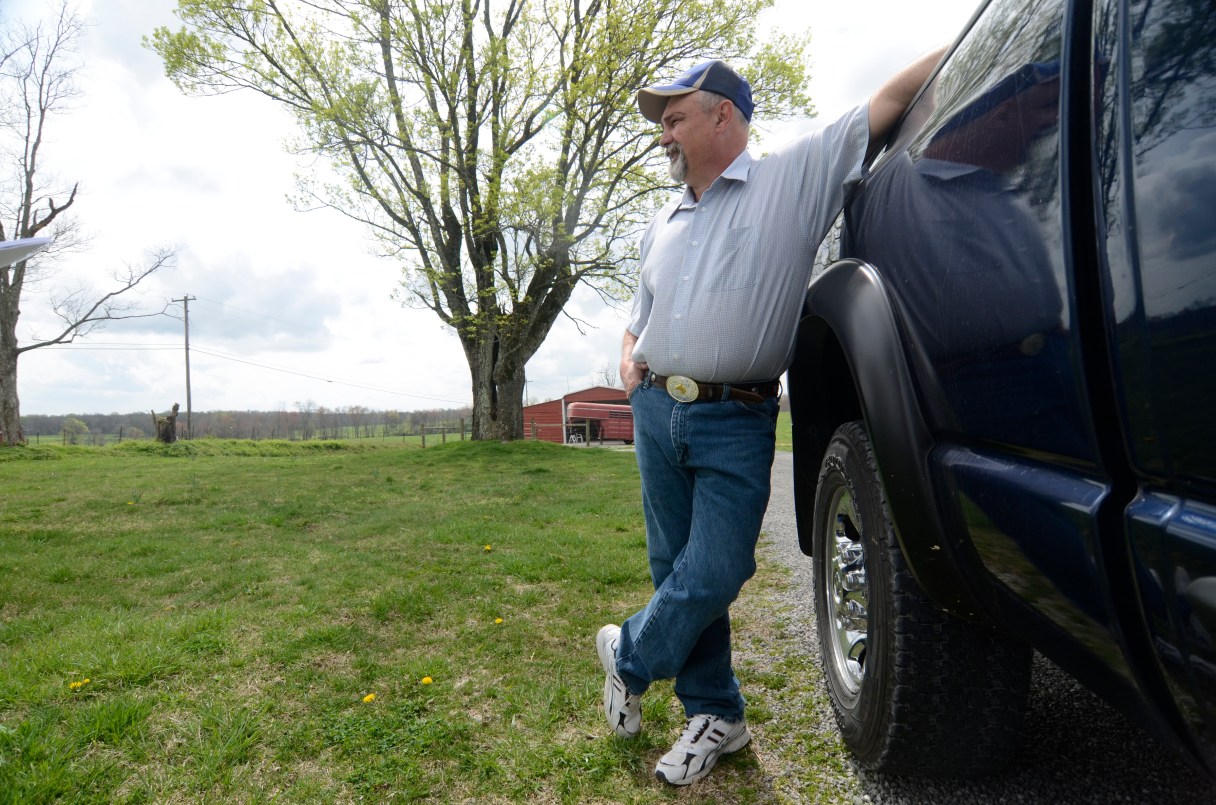
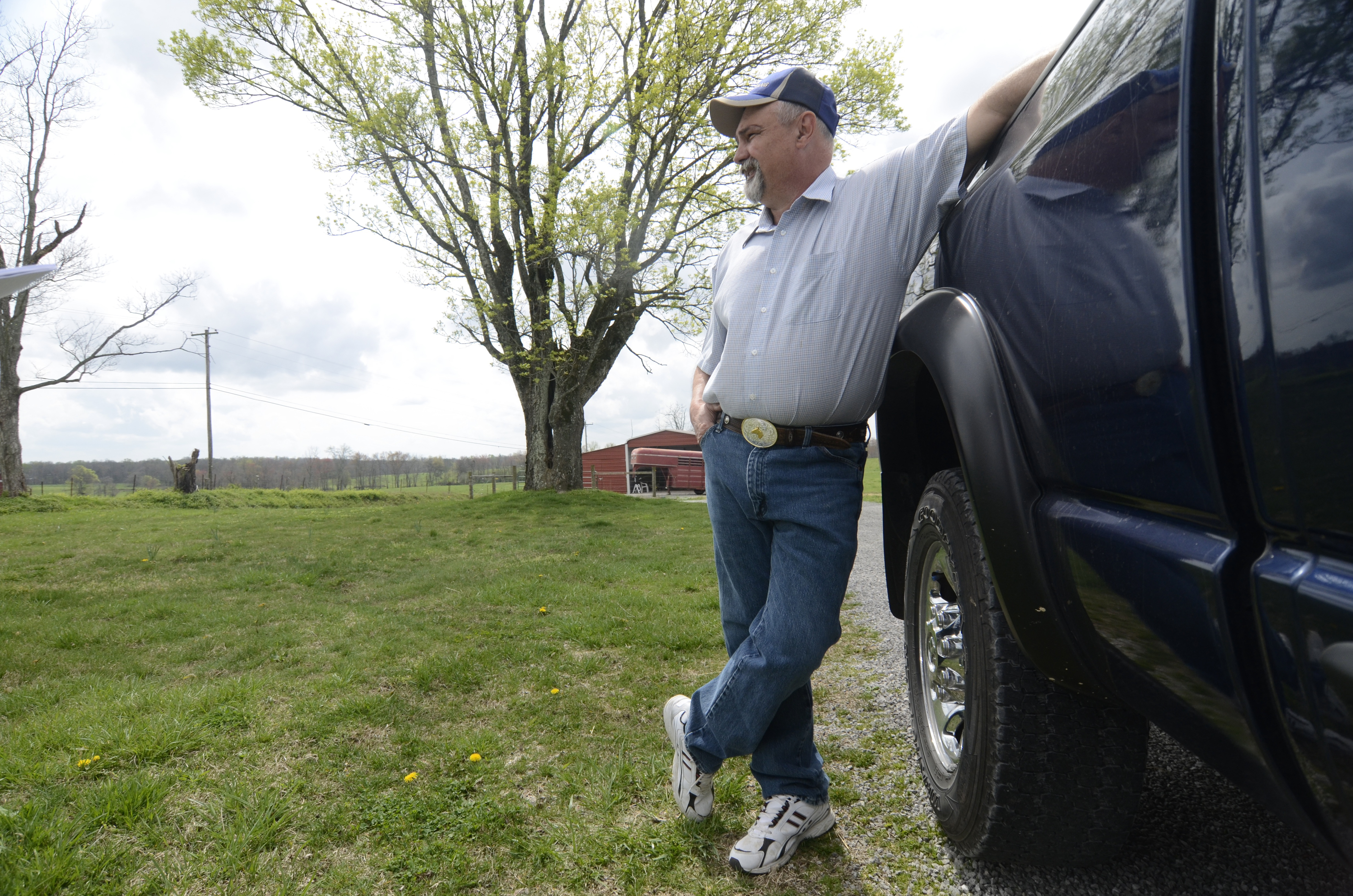
 Harry Hawkins talks about coal mines that are planned in Rhea County, Tenn.
IF YOU GOWhat: A public hearing on the National Pollutant Discharge Elimination System permit now under consideration by the Tennessee Department of Environment and Conservation will be held at 6 p.m. April 26. At 6:30 p.m. a hearing will be held on permits sought from the U.S. Office of Surface Mining.Where: Rhea County Courthouse in Dayton, Tenn.Who: Officials with the U.S. Army Corps of Engineers, Fish and Wildlife and the Environmental Protection Agency also will attend.Source: Tennessee Department of Environment and Conservation; U.S. Office of Surface MiningTHE END OF COAL MININGThe end of coal mining in the Sequatchie Valley and most of Southeast Tennessee began with the Dec. 8, 1981, methane gas explosion at Grundy Mining Co.’s No. 21 mine in Marion County that claimed the lives of 13 miners, according to local mining historians.Former miner Bobby Henry told the Times Free Press about that explosion in 2006 in reaction to an underground blast at the Sago mine in Tallmansville, W.Va., that trapped 13 miners on Jan. 2, 2006.”The 13 men, the time of year, that’s what really got me,” Henry said. “There’s a lot of similarities with us here.”Henry said his first thought when he heard about the disaster was to pray for the men entombed in the West Virginia mine.In Tallmansville, W.Va., 13 men were trapped in an explosion that could have been ignited by a lightning strike, officials said. All but one succumbed to carbon monoxide asphyxiation by the time rescuers reached the area where they were trapped, records show.- Ben BentonTROUBLE UP TOPThe mining industry — especially in Appalachia — has a history of dangerous and combative above-ground problems, too.The labor problems that haunted West Virginia and upper East Tennessee coal mining in the early part of the 20th century continued to play out in Southern Appalachia in more recent years.The powerful United Mine Workers of America union, long dominant in the Appalachian Mountains, was challenged in the 1960s by the Southern Labor Union, which was riding the crest of an important legal victory over the United Mine Workers.In December 1964, almost 66 years to the day after the Nelson Mine explosion, Grundy Mining Co. mine foreman John Higgins was convicted of second-degree murder in the shooting death of a United Mine Workers member in Southeast Tennessee. Higgins was sentenced to 15 years in a state prison by a jury in Jasper, Tenn.The UMW man, Leonard Layne, was slain on July 15, 1963, near Whitwell, Tenn., at a time when violence flared frequently in the strike-bound coalfields. Two other men, including a Grundy Mining Co. night watchman, were slain “during that summer’s reign of terror in the area,” a newspaper clipping states.In years to come, many coal trucks and coal offices were dynamited in the region.- Pam SohnTHE MINESThe two deep coal mines planned for Rhea County will be named Liberty and Security. They will be deeper than most at 600 to 1,000 feet deep. The company said they will be safer and more environmentally friendly than the mines of old.ECONOMIC IMPACTThe mines will employ about 300 people in a county that had an 11.5 percent unemployment rate in January. Annual payroll is estimated at $34 million.THE PAYThe mining jobs will offer full benefits and pay on average more than $50,000 a year. That compares with Rhea County’s median household income of $37,222 in 2010.Source: Iron Properties
DAYTON, Tenn. — Harry Hawkins lives a pasture away from the prospective site of the first deep coal mine to be part of Walden’s Ridge life in nearly 100 years.
But it won’t be new to him, or to many of his Dayton Mountain neighbors in Rhea County.
Hawkins and his family lost two ancestors to huge explosions in the last mines in the county — the Nelson Mine and the Richland Mine.
“My great-great-grandfather Thomas Lane was killed in the Nelson Mine in 1895, and my great-great-grandfather Lowery Hawkins was killed in 1901 in the Richland Mine blast,” Hawkins said. “They were both on my father’s side of the family.”