
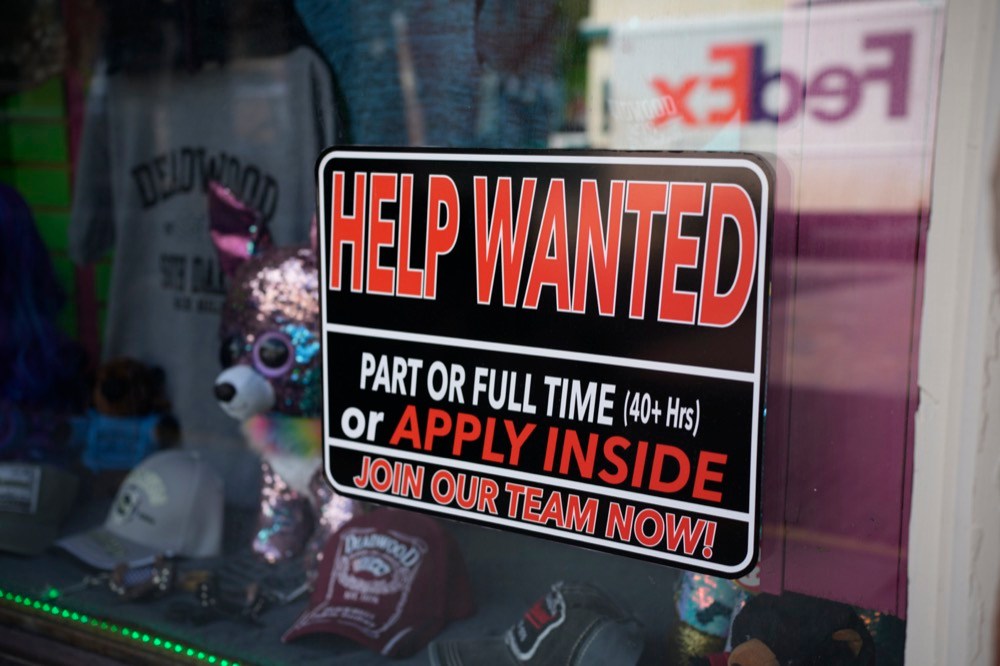
WASHINGTON (AP) – As America’s job market rebounds this summer and the need for workers intensifies, employers won’t likely have a chance to relax anytime soon. Worker shortages will likely persist for years after the fast-reopening economy shakes off its growing pains.
Consider that the number of working age people did something last year it had never done in the nation’s history: It shrank.
Estimates from the Census Bureau showed that the U.S. population ages 16 through 64 fell 0.1% in 2020 – a scant drop but the first decline of any kind after decades of steady increases. It reflected a sharp fall in immigration, the retirements of the vast baby boom generation and a slowing birth rate. The size of the 16-64 age group was also diminished last year by thousands of deaths from the coronavirus.
A year earlier, in 2019, the working age population had essentially plateaued.
It’s not entirely clear how population patterns will unfold once the pandemic fully fades. But even if the working age population resumes growing, it will almost certainly do so at an anemic pace. A continuing drop in that population, or even a tepid increase, would pose a problem for the economy. A healthy economic expansion has always depended on robust population growth to fuel consumer spending, justify business expansion and drive corporate earnings. Without a sizable influx of new workers, growth could stagnate.