
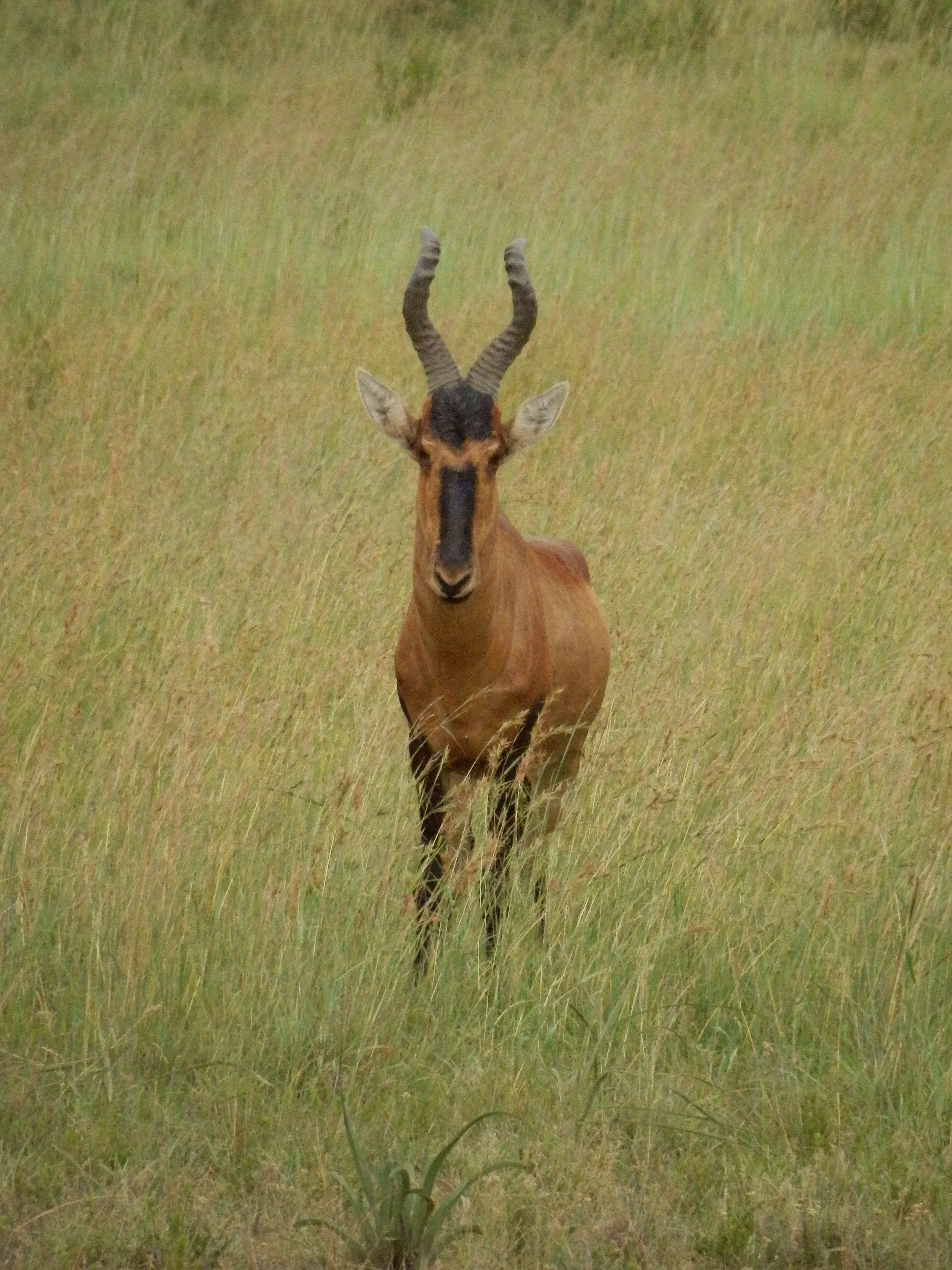
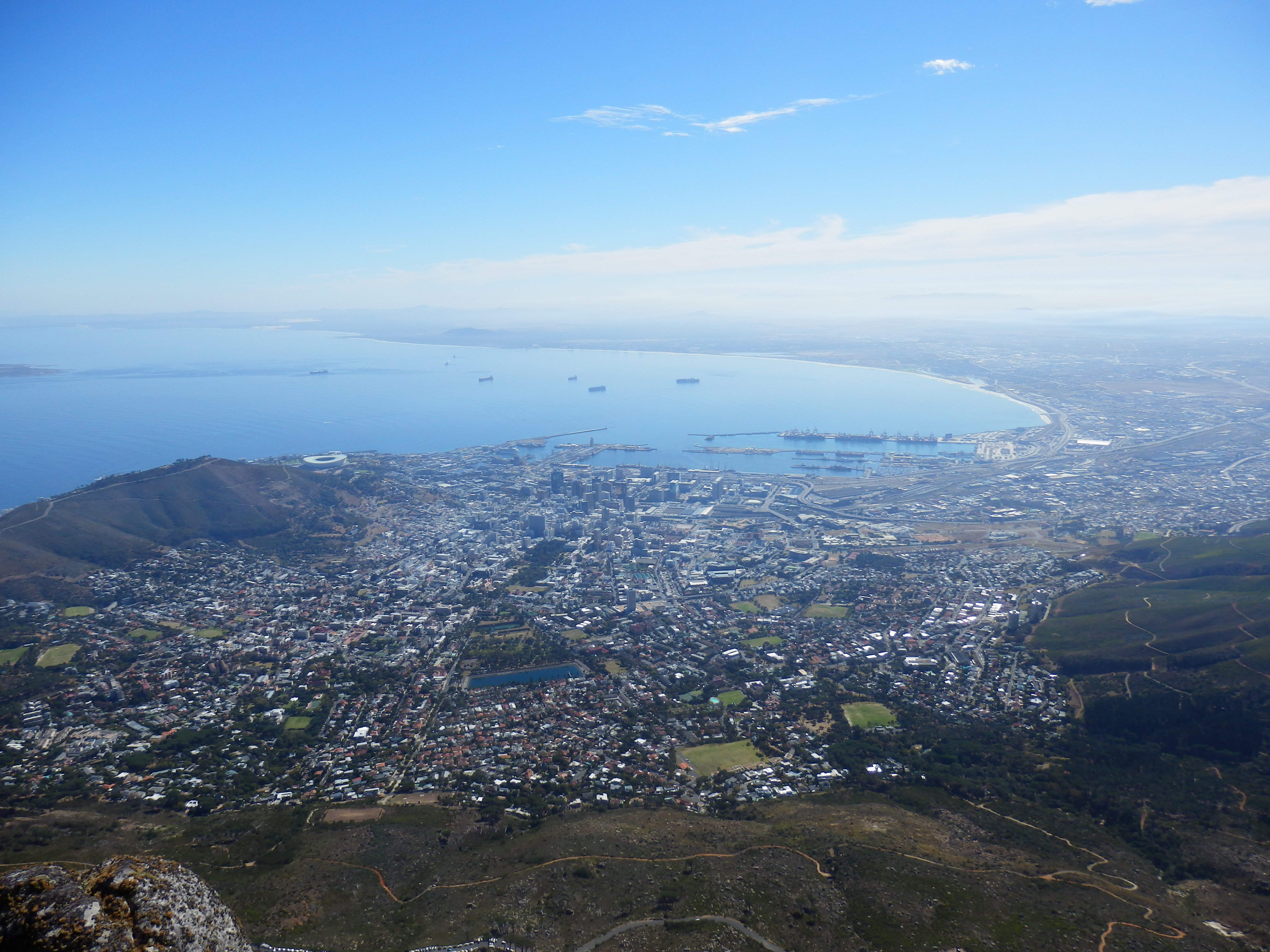
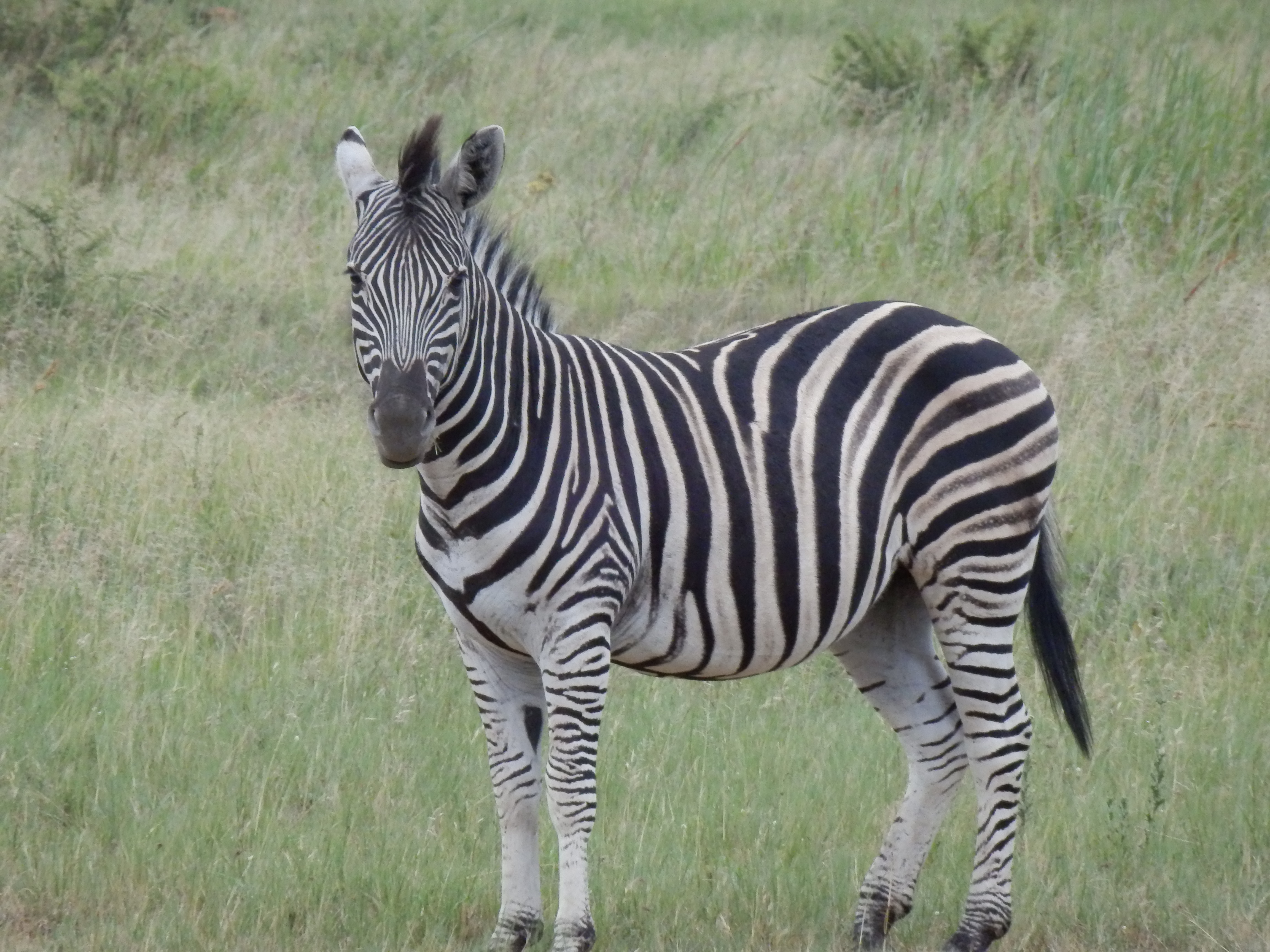
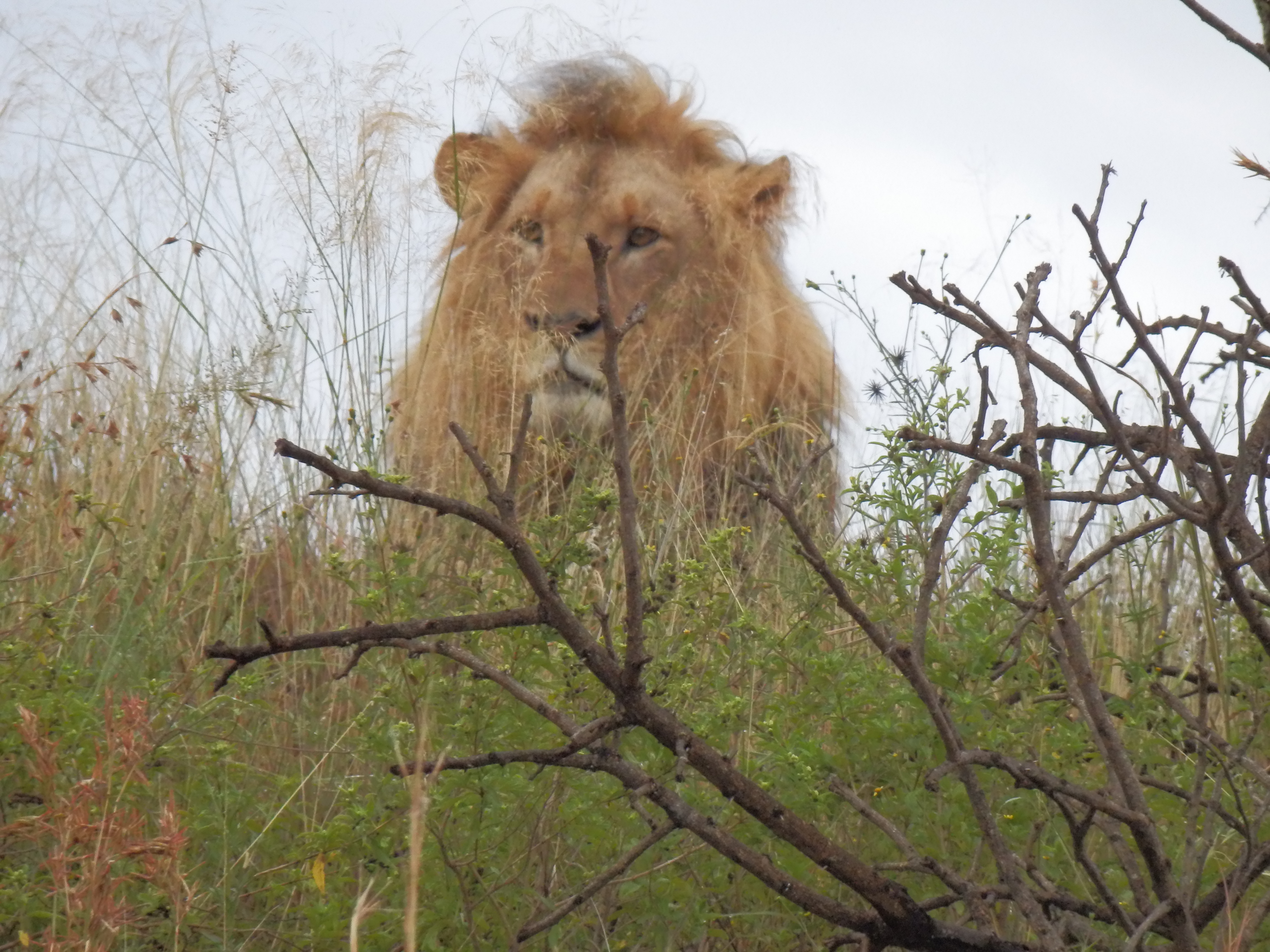
The flight from Atlanta to Johannesburg is comfortable but long – over 15 hours. However, the arduous trip was well worth our delightful time in South Africa.
We spent our first night at a modern four-star hotel near the airport and quickly learned a lot of necessary details, such as the dollar-to-rand exchange rate (which is very favorable right now), driving rules, basic social rules and unique foods. The next morning we got our rental car and off we went, driving on the “wrong” side of the road. South Africa was a British colony for many years and it’s still very British in many ways, including driving rules, the king’s English, rugby and cricket and afternoon tea.
Our first stop was four hours southeast of Johannesburg, near the center of the country in an enormous game park called Nambiti Plains. The drive took us by huge agricultural fields, miles of natural savannah and steep mountain passes. Occasionally, we spied an antelope-like springbok bounding through high grass, a symbol of South Africa’s freedom and the mascot of its famed national rugby team.
Nambiti Plains is at the center of what was, at the end of the 1800s, a bloody battleground between the British and the Boers, Dutch descendants who didn’t want to relinquish control of their lands and gold mines to the British government. The British prevailed against the crudely equipped Boers, but only after a phenomenal loss of treasure, lives and international respect. Monuments strategically placed throughout the country by surviving Boer offspring are testament to the bitterly fought campaign.
Today, however, Nambiti Plains is a fascinating game park where the only combat is between animals at various levels of the food chain. They don’t kill for greed or glory like their more “civilized” human brethren, but survive using their innate abilities. We humans can learn a lot from them.
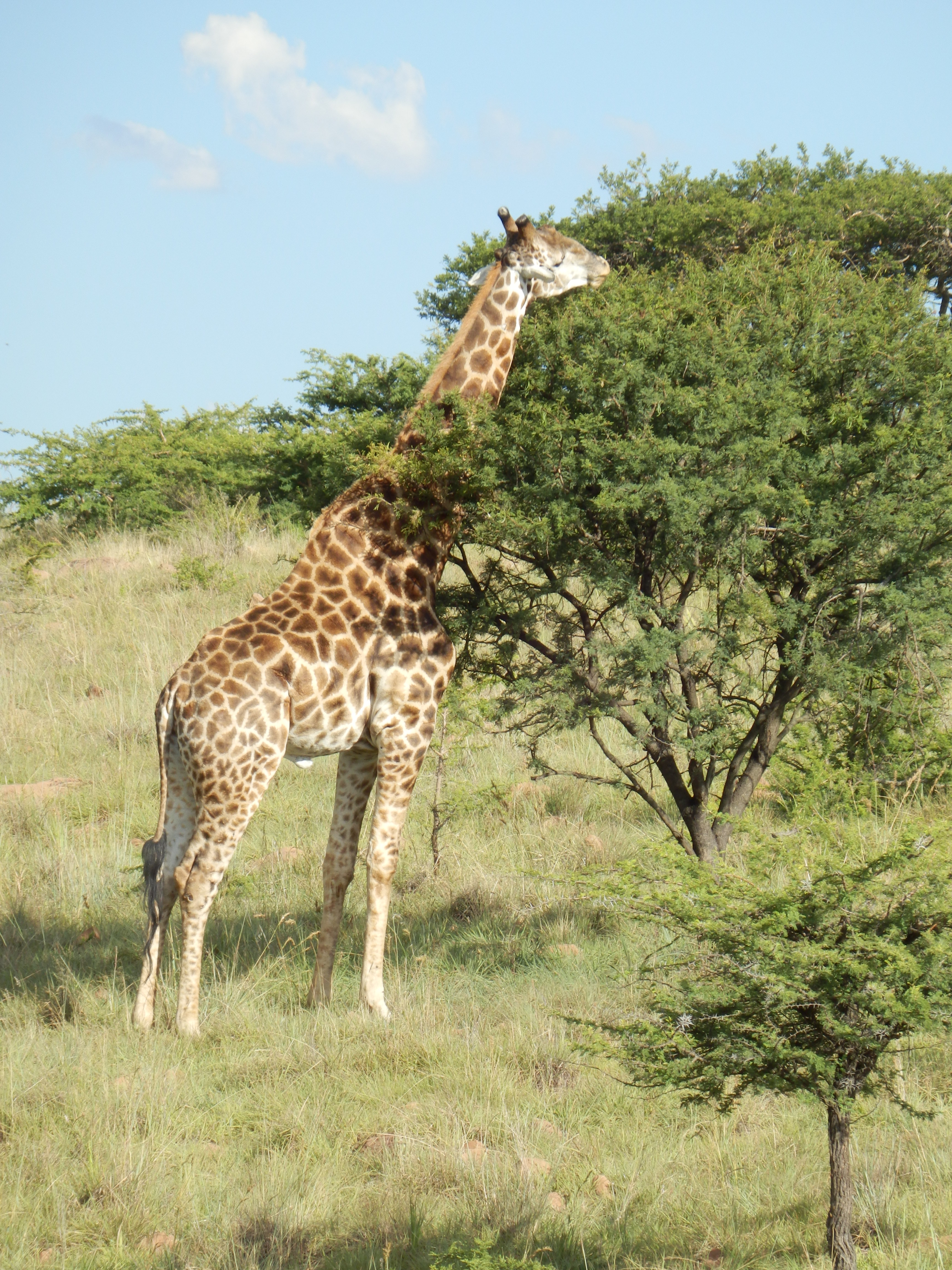
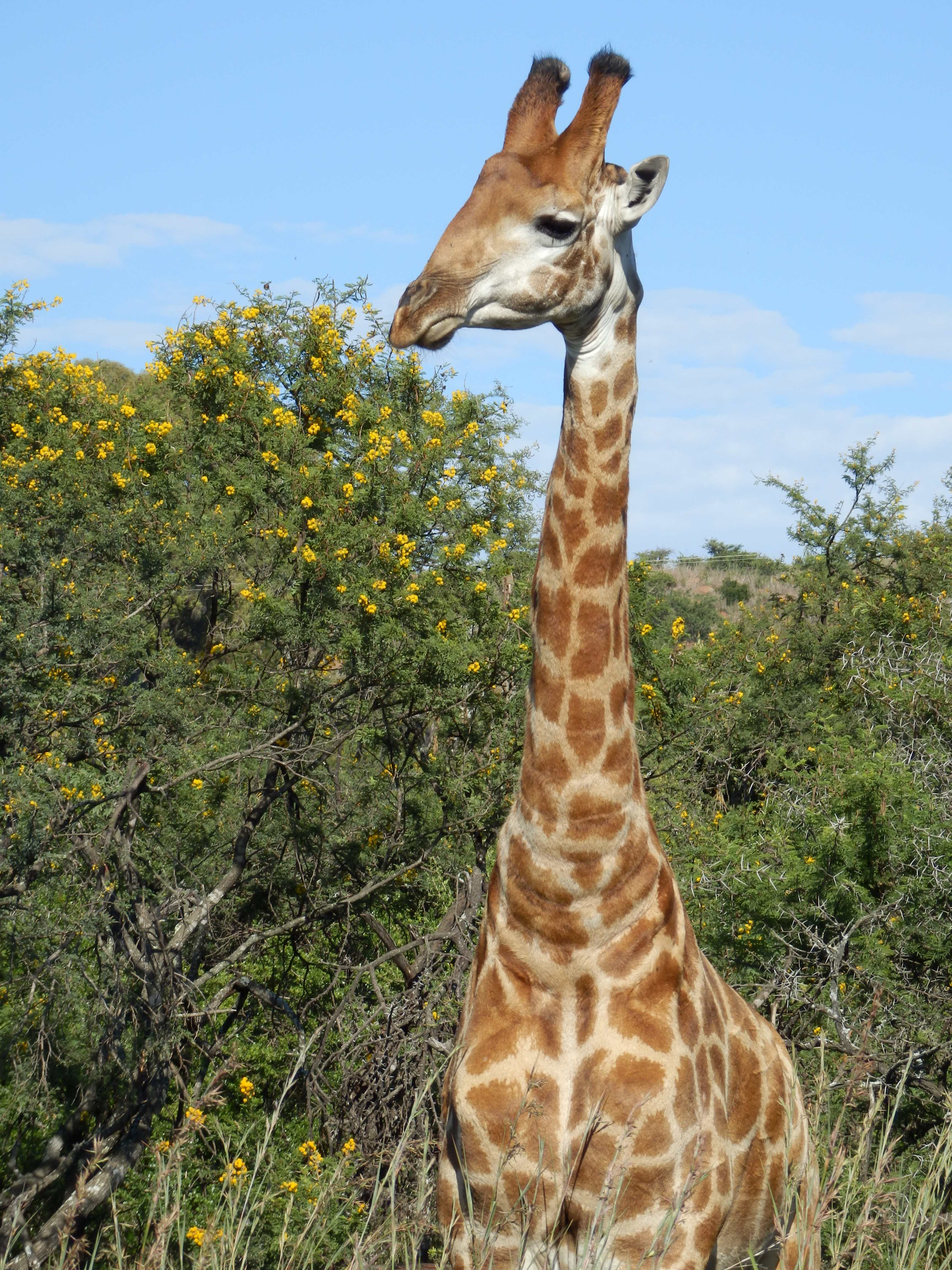
In the park, we stayed in a splendid lodge hidden far in the bush. From our airy, comfortable accommodations, we silently watched elephant herds in route to water, wild pigs darting to and fro with tufted tails trailing above them, lazily grazing zebras and giraffes sampling leaves high in tree tops. Each cabin was secluded yet comfortably situated around a main lodge that served as the dining and common area. Every meal was an absolute delight in both taste and appearance.
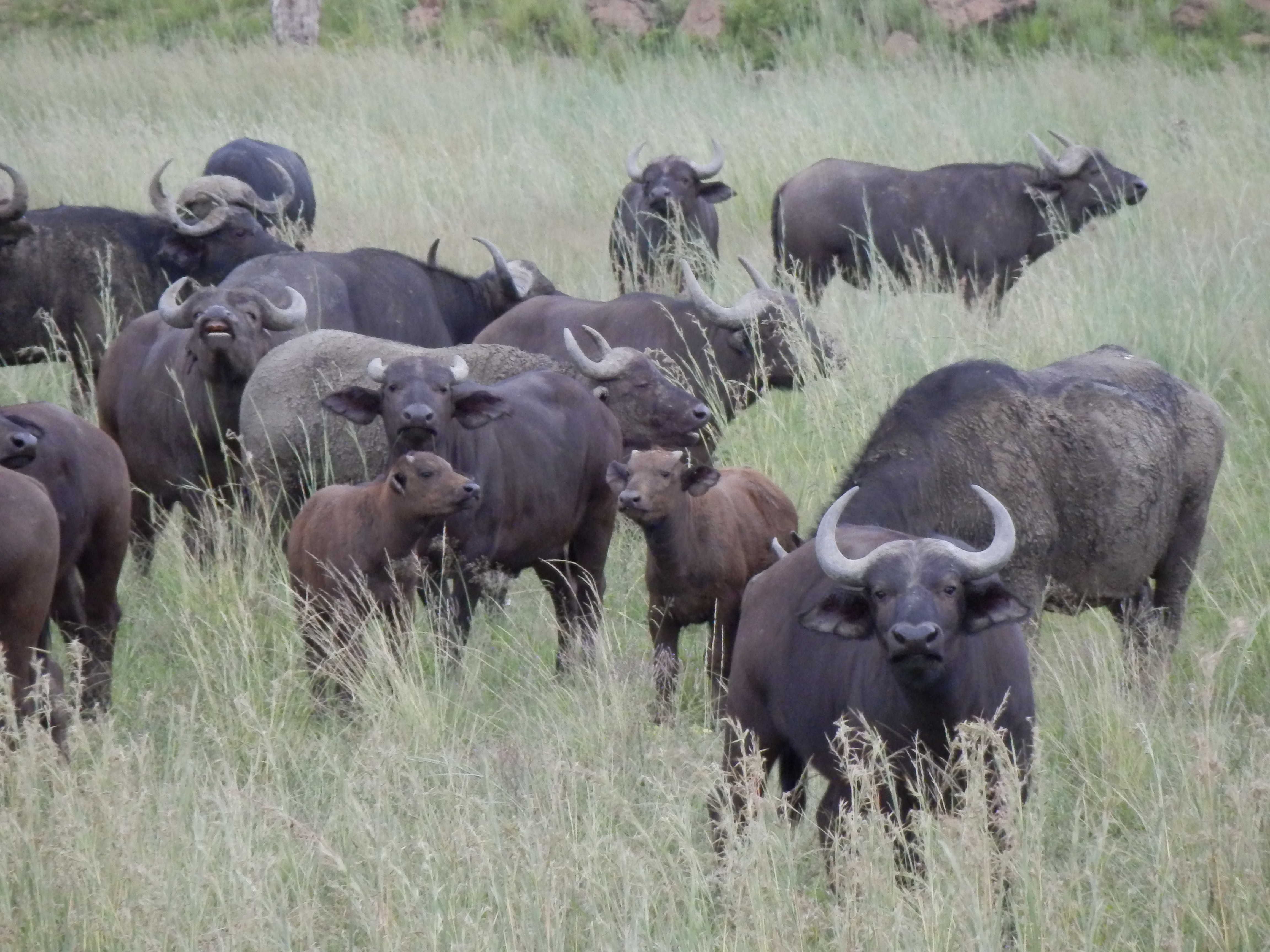
We arose each morning at 5 a.m., had tea and “biscuits” (basically cookies), then hit the trail in an open-sided Land Rover to explore the different areas of the preserve. The animals are most active in the mornings and evenings. It was riveting – lions, rhinos, elephants, hippos, cape buffalo, baboons, giraffes, zebras, ostrich, elands – all in their natural habitat. We never tired of the vistas and scenery.
I shall never forget watching, only a few feet from our vehicle, a lion pride lying patiently at dusk, awaiting unsuspecting prey as jagged bolts of lightning accented a dark sky in the distance. The mane of the huge male blew gently in the warm breeze. His massive paws were crossed regally below him as his soft brown eyes searched the surrounding terrain, totally ignoring our presence. Surely this “king of the jungle” lived up to his epithet.
Someone asked our expert guide, David, why there are so many exotic animals in the country. He stopped and knelt along the trail, ran his hands through what appeared to be weeds and picked up a handful of dirt.
“It all starts with the dirt,” he said.
Then he named six or eight different species of grasses in an area less than a square yard and told us that nutrient-rich glacial deposits eons ago formed a rich soil that yields an abundance of natural grasses throughout the land. These grasses, in turn, attract microscopic organisms that attract insects, that attract small birds and mammals, that attract large birds and mammals, that attract mankind. It was a fascinating glimpse into the rich natural order of this special place.
After four days, we sadly bade goodbye to our new friends at Nambiti and continued our automobile journey five more hours to the coastal city of Durbin on the Indian Ocean. From there, we flew 500 miles southwest to Cape Town, one of the most fascinating cities I’ve ever visited.
Cape Town is a major shipping port established in the early 1600s. It sits just north of Cape Point, the southern tip of the African continent where the Indian and Atlantic Oceans meet. To the north of Cape Town are agricultural regions that still produce wheat, cattle and grapes. Long ago, such commodities were critical for sailing ships making the long journey from Europe to India and Polynesia. Likewise, the port facilities repaired ships that sailed the rough and stormy waters off Cape Point.
Cape Town’s most famous landmark is Table Mountain. A modern cable car whisks visitors to the top of the flat mountain in minutes and a delightful trail around the perimeter allows beautiful views of the ocean, Cape Town and the surrounding towns far below. In earlier days, crews were so excited to arrive at this port city after dangerous days at sea, ship captains would give the first sailor to sight Table Mountain an extra ration of rum.
We leased a comfortable fully furnished house in Cape Town for a week and it was perfect for two couples. Situated in an upper middle-class neighborhood, it was listed through Air B&B, the international equivalent of Vacation Rental by Owner (VRBO). If one pays close attention to the reviews, it is a great way to stay in a comfortable setting and not spend a fortune.
From our base in Cape Town, we ventured to the wine country several hours north near Stellenbosch and Franschhoek. Both villages are beautifully set in valleys among towering mountains and their neat, whitewashed houses and buildings are a tribute to the independent-minded Dutch settlers. B&B accommodations, wine tastings, shopping and fantastic restaurants are renowned in the area.
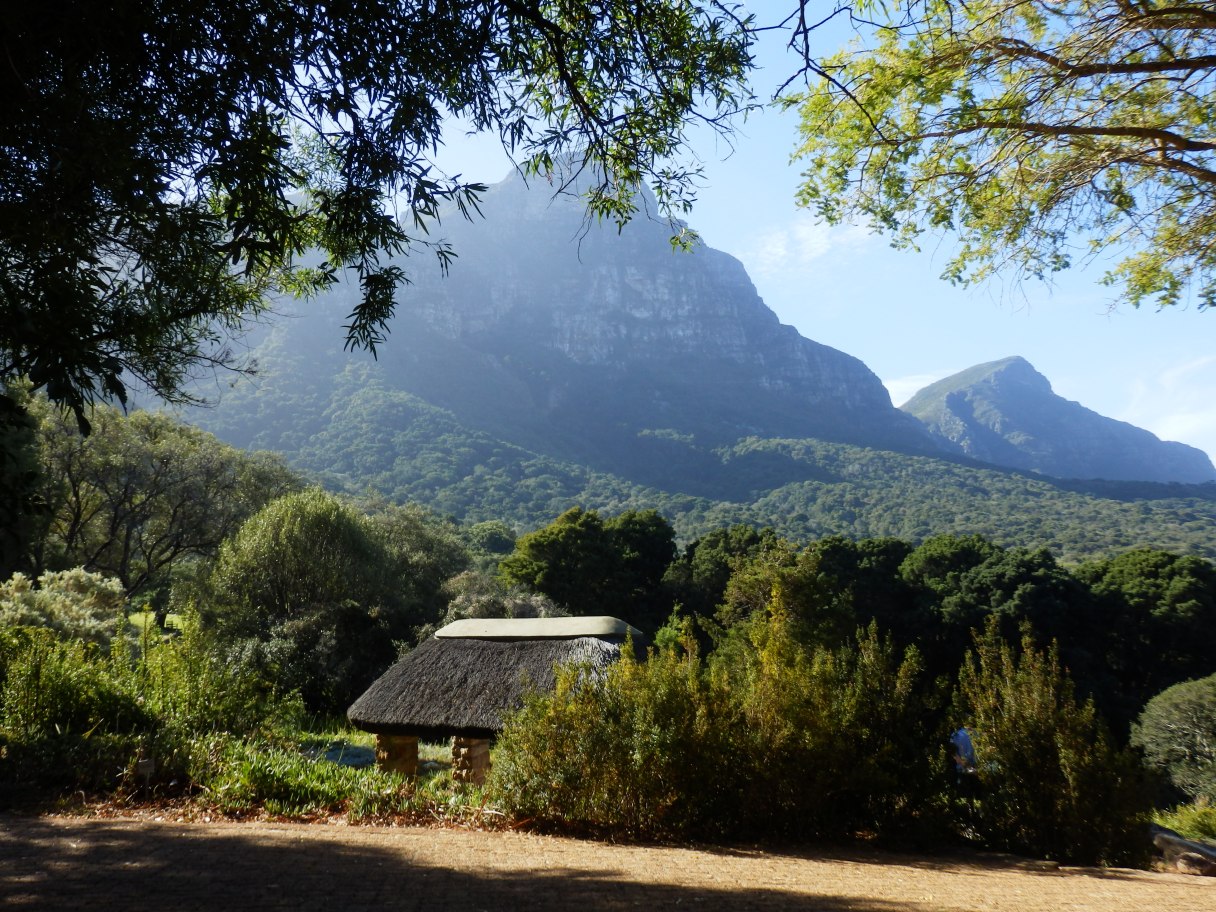
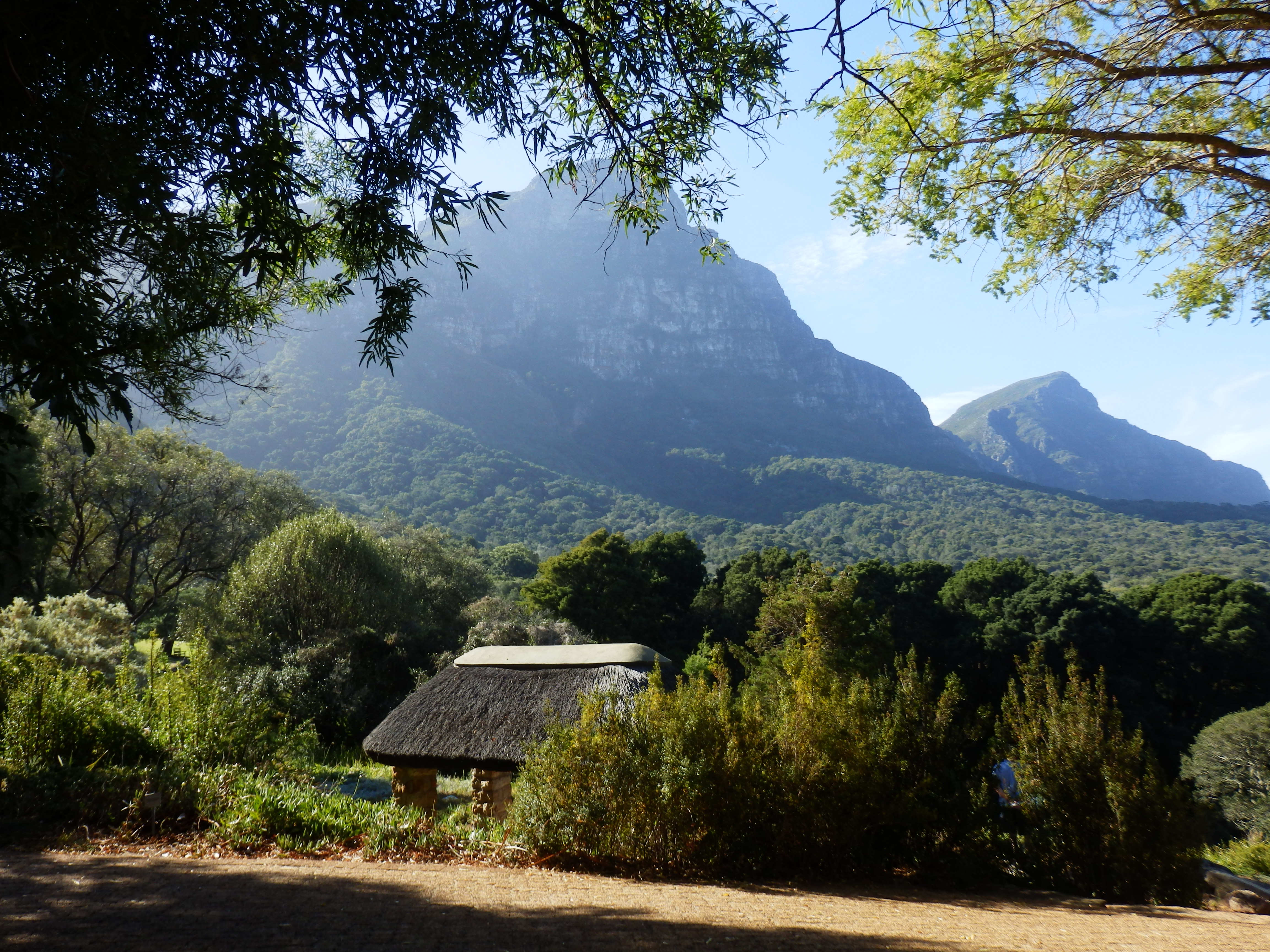
In addition to a day trip to windy Cape Point, where we gazed at what seemed like the end of civilization, we spent a delightful day at the national botanical gardens at Kirstenbosch. South African botanists discovered long ago that not only the animal kingdom but the flowers, trees and vegetation of South Africa were special, and many species are highlighted in these beautiful gardens.
Another jewel we discovered was the Heart of Cape Town museum. In 1967, Dr. Christiaan Barnard successfully completed the world’s first heart transplant at the Groot Schuur Hospital in Cape Town. Though his first patient lived only 18 days before rejecting the heart, the procedures Barnard and his team developed were critical for future transplants.
The museum is set in the same surgical ward where the operation took place and realistic figures of Bernhard and his staff make one feel present at that historic occasion. The story is both informative and inspiring.
Of all the places we’ve visited on this great orb, God certainly was at his most creative in South Africa. I highly recommend adding it to your bucket list.