
As a nurse for Erlanger Health System, Curtis Fowler has intubated a neonate, analyzed the blood chemistry of a stroke patient and secured a surgical airway on a trauma victim…all while flying at 2,000 feet.
“Our flight crew does things that no other nurse or paramedic can do, such as basic surgical procedures,” explains Life Force program director Robbie Tester. “It’s basically like a flying intensive care room.”
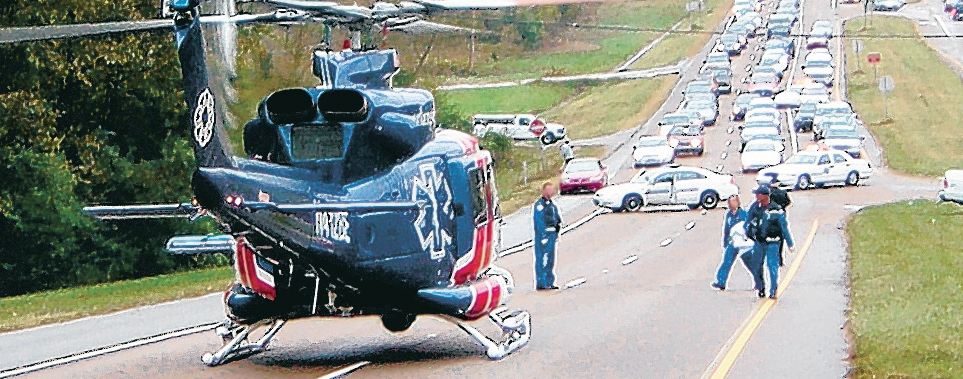
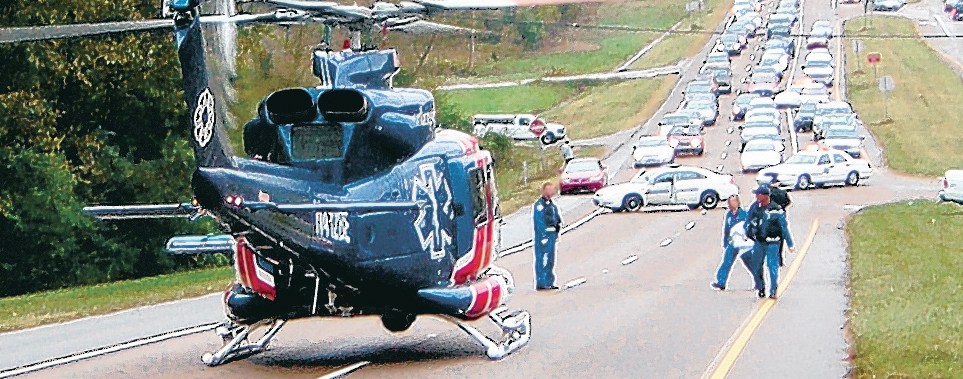
The four-helicopter air ambulance program transports the region’s most critically ill or injured patients to Erlanger’s downtown emergency department. When Life Force lifts off, there are only three people on board – a pilot, nurse and paramedic. More than half of the calls require the helicopter to land at the scene of an accident, meaning highways, fields, parking lots and even backyards become impromptu landing pads.
Instead of scrubs and a stethoscope, Fowler and his partner, paramedic Jim Fox, don flight suits, helmets and night vision goggles, helping the pilot watch for trees, power lines and other air traffic (when not working on a patient).
And while it can be argued this line of work carries its own inherent risks, Fowler is undaunted.
“I get more nervous on commercial flights,” he laughs. “Safety is our No. 1 concern, and our pilots are among the best in the business.”
Life Force also boasts industry-leading technology to assist pilots. In 1994, Erlanger established the world’s first nonprecision GPS approach. Before then, helicopters were grounded if they couldn’t maintain visual contact with terra firma during the entire flight, meaning people couldn’t get the care they needed in cloudy or inclement weather. The state-of-the-art GPS system allows pilots to fly above the clouds, like commercial airliners, using only instruments for direction.
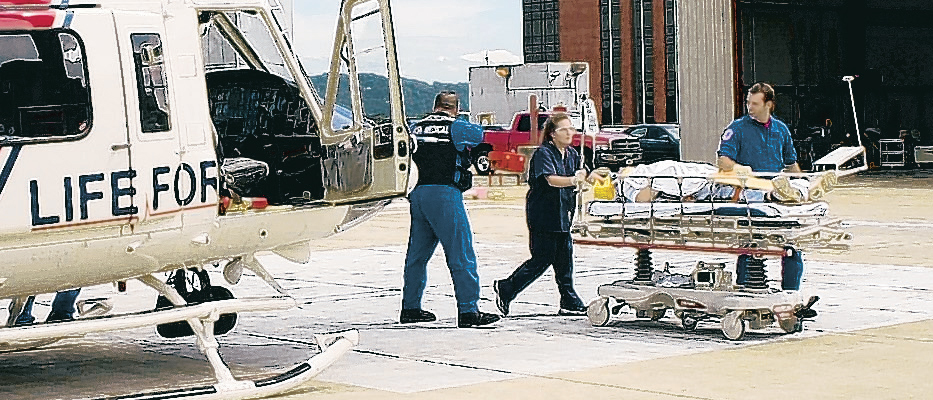
“Most air ambulance companies in the country still don’t have this capability,” says Tester. With a combined 28 years experience, Fox and Fowler could fill a book with their stories…if only they’d thought to write them down. “They begin to blur together a bit,” admits Fowler.
Of course, there are some that stand out, like the 23 trauma victims from one van that didn’t speak English, the 11-year-old girl swept up by a tornado or the young woman who, completely flaccid from a stroke, later walked out of the hospital.
“Like any job in the health care field, it has its good days and bad,” says Fox, who’s been with Life Force since its inception in 1988. “But when a patient whose life was hanging by a thread later walks up to you and says hello, that’s pretty rewarding.”
Erlanger is a Level 1 Trauma Center, meaning its trauma services are the most advanced in the region. Because of this, it serves patients in a 150-mile radius of Chattanooga, extending into parts of Alabama, Georgia and North Carolina. To cover this vast service area, Life Force operates four bases around the region in Chattanooga and Sparta, Tennessee as well as Calhoun and Blue Ridge, Georgia.
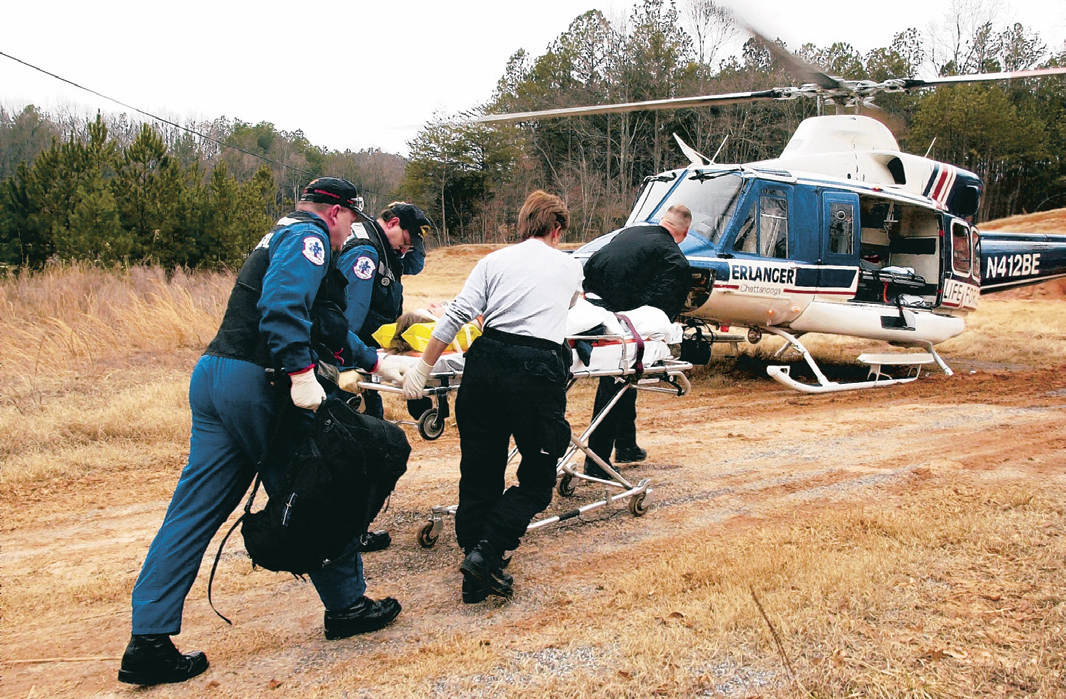
With a flight crew of about 10 per base, medical teams pull two 12-hour shifts and two 24-hour shifts every two weeks. With an average of six calls per day for all four bases, crews typically get naps during their 24-hour shifts. Of course, on the rare occasion, they literally work around the clock. But despite sometimes grueling hours, turnover is incredibly low.
“I feel lucky to work with such a great group of professionals – from the pilots to management,” says Fowler. “We’re like a family.”