
Wednesday, November 11, 2026Nov 11

COVID-19 pet boom has veterinarians backlogged, burned out

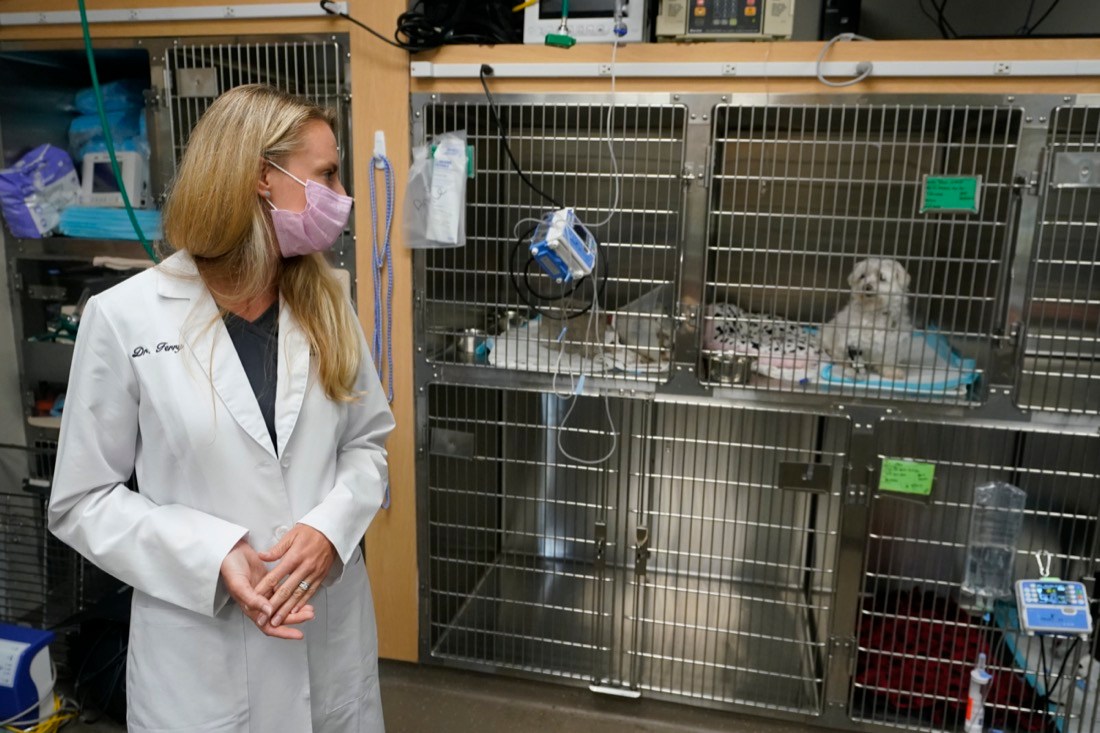
Dr. Katarzyna Ferry, left, looks over at dog named Wendy who is being treated for a flare-up of Addison's disease, Monday, April 12, 2021, at the Veterinary Specialty Hospital of Palm Beach Gardens in Palm Beach Gardens, Fla. Forced to stay at home due to the pandemic, Americans adopted nearly 12 million pets last year meaning the average vet clinic saw nearly 400 new patients last year. Veterinarian offices across the country are experiencing unprecedented demand, adding extra staff and extending hours to fill in the gaps. "We are still short staffed despite active seeking of additional staff," said Ferry. (AP Photo/Wilfredo Lee)
Dr. Katarzyna Ferry, left, looks over at dog named Wendy who is being treated for a flare-up of Addison's disease, Monday, April 12, 2021, at the Veterinary Specialty Hospital of Palm Beach Gardens in Palm Beach Gardens, Fla. Forced to stay at home due to the pandemic, Americans adopted nearly 12 million pets last year meaning the average vet clinic saw nearly 400 new patients last year. Veterinarian offices across the country are experiencing unprecedented demand, adding extra staff and extending hours to fill in the gaps. "We are still short staffed despite active seeking of additional staff," said Ferry. (AP Photo/Wilfredo Lee) Dr. Katarzyna Ferry, left, looks over at dog named Wendy who is being treated for a flare-up of Addison's disease, Monday, April 12, 2021, at the Veterinary Specialty Hospital of Palm Beach Gardens in Palm Beach Gardens, Fla. Forced to stay at home due to the pandemic, Americans adopted nearly 12 million pets last year meaning the average vet clinic saw nearly 400 new patients last year. Veterinarian offices across the country are experiencing unprecedented demand, adding extra staff and extending hours to fill in the gaps. "We are still short staffed despite active seeking of additional staff," said Ferry. (AP Photo/Wilfredo Lee)

FORT LAUDERDALE, Fla. (AP) – During the gloomiest stretches of the pandemic, Dr. Diona Krahn’s veterinary clinic has been a puppy fest, overrun with new four-legged patients.

Typically, she’d get three or four new puppies a week, but between shelter adoptions and private purchases, the 2020 COVID-19 pet boom brought five to seven new clients a day to her practice in Raleigh, North Carolina. Many are first-time pet owners.

Like many veterinarians across the country, she’s also been seeing more sick animals. To meet the demand, vets interviewed by The Associated Press have extended hours, hired additional staff and refused to take new patients, and they still can’t keep up. Burnout and fatigue are such a concern that some practices are hiring counselors to support their weary staffs.

“Everyone is working beyond capacity at this point,” said Krahn, who added evening hours last year.

Approximately 12.6 million U.S. households got a new pet last year after the pandemic was declared in March 2020, according to a COVID-19 Pulse Study by the American Pet Products Association.