
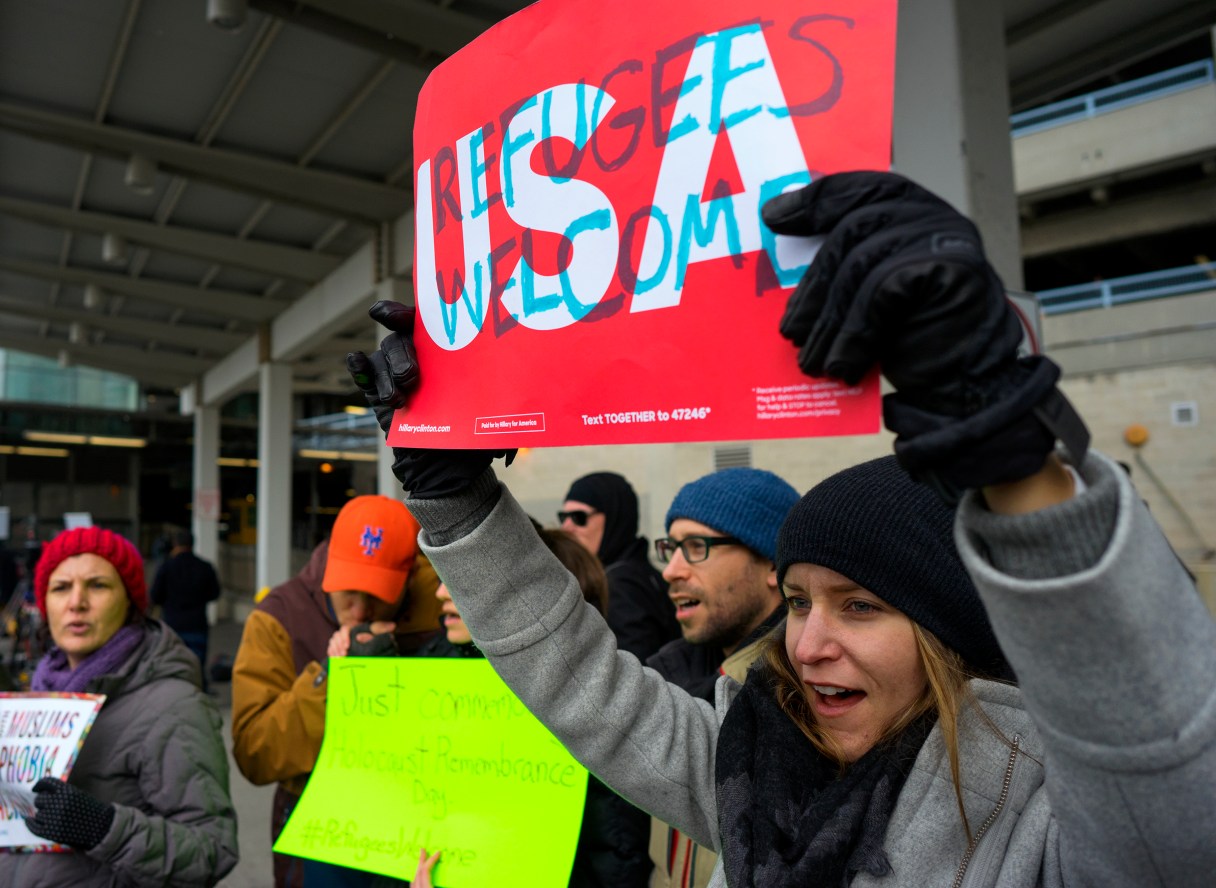
WASHINGTON (AP) – President Donald Trump says his halt to immigration from seven Muslim-majority nations and ban on refugees is being done in the name of national security. But it’s not clear that the measures will help prevent attacks on American soil, and they could wind up emboldening extremists who already view the U.S. as at war with Islam.
Recent high-profile acts of deadly extremist violence have been carried out either by U.S. citizens or by individuals whose families weren’t from the nations singled out. And the list of countries doesn’t include Saudi Arabia, where most of the Sept. 11 hijackers were from, or other places with a more direct link to terrorism in America.
The admissions ban announced Friday also does not directly address a more urgent law enforcement concern: homegrown violent extremists already in the United States who plot their attacks without any overseas connections or contacts.
“The primary terrorism-related threat facing the U.S. today comes from individuals living here who become inspired by what they see on the internet, who carry out attacks independent of any terrorist organization,” said John Cohen, a former Department of Homeland Security counterterrorism official who worked in government under Democratic and Republican administrations and who has been involved in refugee vetting policy.
The FBI has for years been concerned by the prospect of airplane bomb plots and terrorists dispatched from overseas to commit violence in America. But the ascendancy of the Islamic State, and the group’s ability through slick and easily accessible propaganda to reach susceptible young Americans in all corners of the country, has been a more immediate challenge – and a more realistic danger – for counterterrorism officials.