
Thursday, October 29, 2026Oct 29

This story is free to read.

Fed’s intervention on pipeline project unprecedented

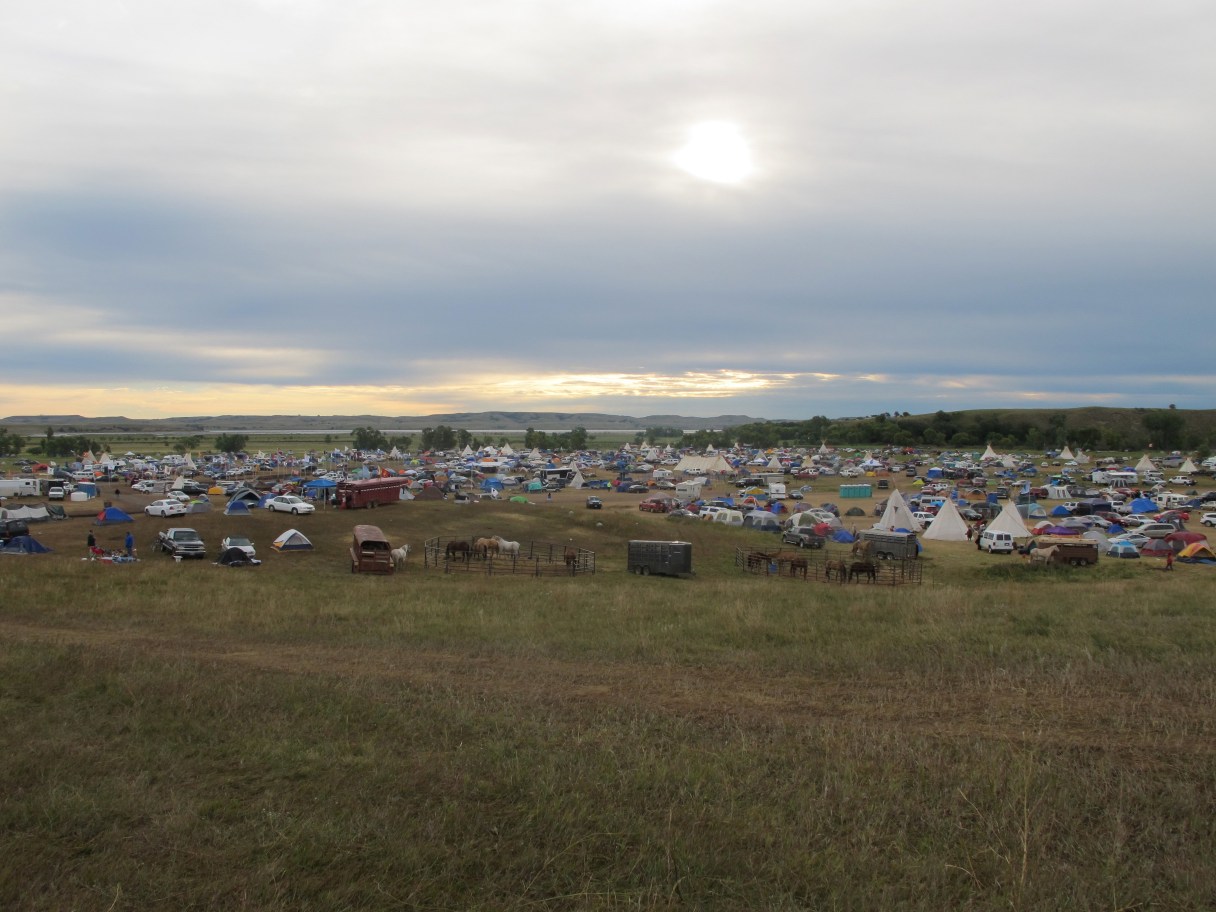
More than a thousand people gather at an encampment near North Dakota's Standing Rock Sioux reservation on Friday, Sept. 9, 2016. The Standing Rock Sioux tribe's attempt to halt construction of an oil pipeline near its North Dakota reservation failed in federal court Friday, but three government agencies asked the pipeline company to "voluntarily pause" work on a segment that tribal officials say holds sacred artifacts. (AP Photo/James MacPherson)
More than a thousand people gather at an encampment near North Dakota's Standing Rock Sioux reservation on Friday, Sept. 9, 2016. The Standing Rock Sioux tribe's attempt to halt construction of an oil pipeline near its North Dakota reservation failed in federal court Friday, but three government agencies asked the pipeline company to "voluntarily pause" work on a segment that tribal officials say holds sacred artifacts. (AP Photo/James MacPherson) More than a thousand people gather at an encampment near North Dakota's Standing Rock Sioux reservation on Friday, Sept. 9, 2016. The Standing Rock Sioux tribe's attempt to halt construction of an oil pipeline near its North Dakota reservation failed in federal court Friday, but three government agencies asked the pipeline company to "voluntarily pause" work on a segment that tribal officials say holds sacred artifacts. (AP Photo/James MacPherson)

BISMARCK, N.D. (AP) – The federal government’s temporary stoppage of an oil pipeline may change the way energy projects are reviewed.

Just minutes after a federal judge denied the Standing Rock Sioux tribe’s attempt to halt the construction of the Dakota Access oil pipeline Friday, three federal agencies appealed to the pipeline company to “voluntarily pause” work on a segment in North Dakota.

The government says it now is reconsidering its decision on the pipeline and wants input from the tribe.

Troy Eid, a Colorado lawyer who specialized in Indian law, says the action was unprecedented and a “significant setback” for the pipeline’s builders. He says historically, tribes have been only consulted on energy infrastructure projects, with the federal government making the actual decisions.

Eid says the Obama administration’s action likely changed that.