
Monday, November 9, 2026Nov 9

Lava from Hawaii volcano cascades into sea in vivid display

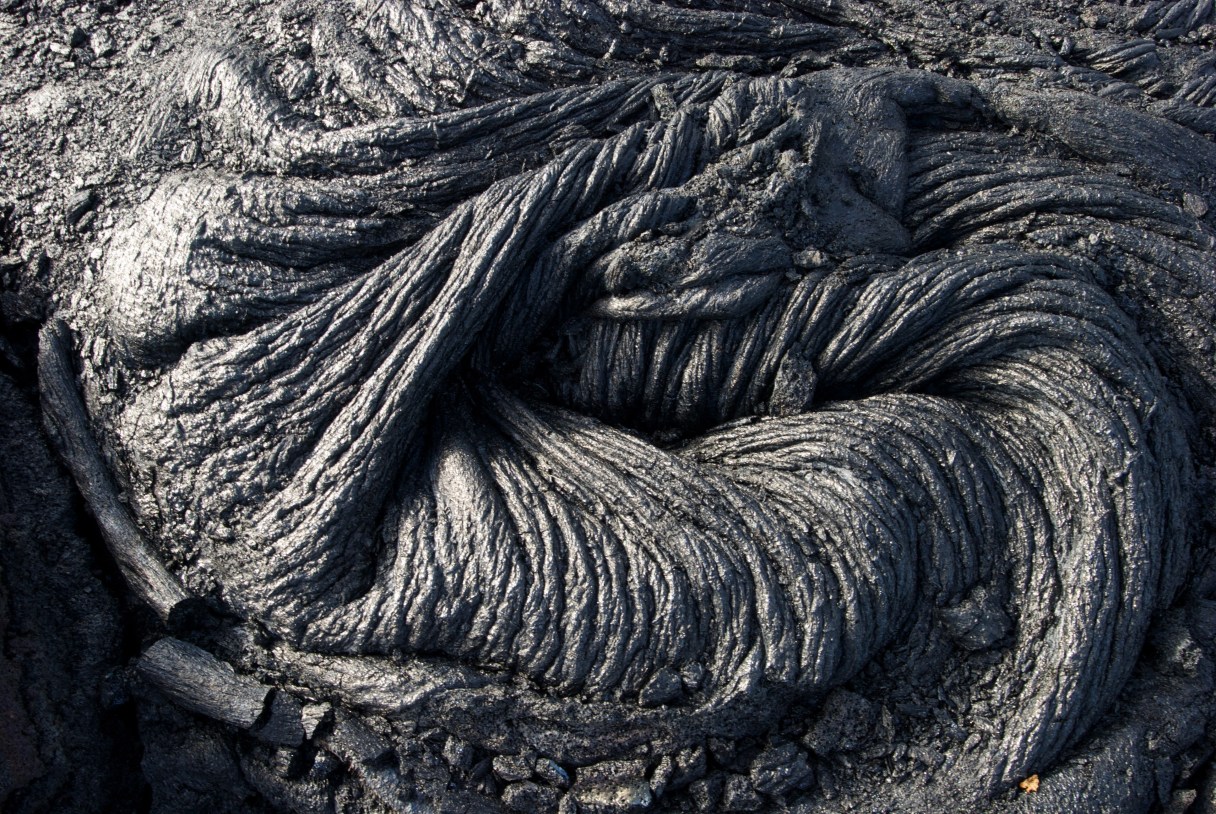
In this Monday, Aug. 8, 2016 photo, hardened lava rock from Kilauea, an active volcano on Hawaii's Big Island, is shown in Volcanoes National Park near Kalapana, Hawaii. The current lava flow erupted from a vent on the volcano in May and made its way to the sea in late July. Visitors can hike about 10 miles round trip to see the lava, or take a boat or helicopter tour to see the flow. (AP Photo/Caleb Jones)
In this Monday, Aug. 8, 2016 photo, hardened lava rock from Kilauea, an active volcano on Hawaii's Big Island, is shown in Volcanoes National Park near Kalapana, Hawaii. The current lava flow erupted from a vent on the volcano in May and made its way to the sea in late July. Visitors can hike about 10 miles round trip to see the lava, or take a boat or helicopter tour to see the flow. (AP Photo/Caleb Jones) In this Monday, Aug. 8, 2016 photo, hardened lava rock from Kilauea, an active volcano on Hawaii's Big Island, is shown in Volcanoes National Park near Kalapana, Hawaii. The current lava flow erupted from a vent on the volcano in May and made its way to the sea in late July. Visitors can hike about 10 miles round trip to see the lava, or take a boat or helicopter tour to see the flow. (AP Photo/Caleb Jones)

VOLCANOES NATIONAL PARK, Hawaii (AP) – For the first time in three years, lava from a volcano on Hawaii’s Big Island has crept down miles of mountainside and is dripping into the Pacific Ocean – where it’s creating new land and a stunning show for visitors.

Thousands of people from around the world have swarmed Volcanoes National Park by land, sea and air to view the lava. They’re also hearing and smelling it.

The billowy, bright-orange lava crackles and hisses, and reeks of sulfur and scorched earth, as it oozes across the rugged landscape and eventually off steep, seaside cliffs. When the hot rocks hit the water, they expel plumes of steam and gas – and sometimes explode, sending chunks of searing debris flying through the air.

The 2,000-degree molten rock is from Kilauea, one of the world’s most active volcanoes. Its Puu Oo vent began erupting in the 1980s and periodically pushes enough lava seaward that people can access it.

Reaching the flow requires a boat, a helicopter or strong legs – the hike to the entry point, where the lava meets the sea, is 10 miles roundtrip on a gravel road surrounded by miles of treacherous, hard lava rock.