
Thursday, October 29, 2026Oct 29

This story is free to read.

Mouse sperm made in lab; technique may help with infertility

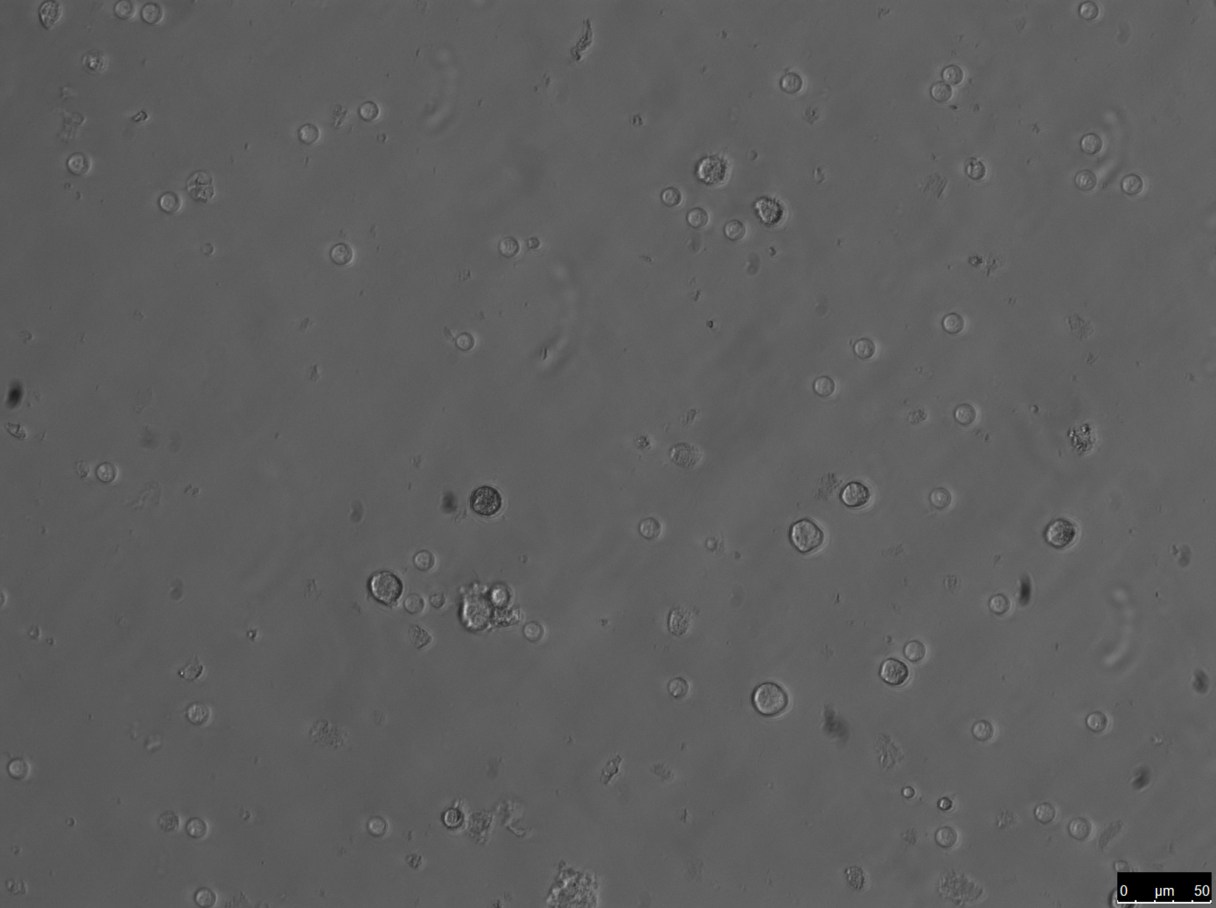
This microscope image provided by Xiao-Yang Zhao of the Southern Medical University in Guangzhou, China on Thursday, Feb. 25, 2016, shows rudimentary mouse sperm derived from stem cells. The sperm, although not fully mature, were developed far enough to fertilize eggs. The researchers' findings were released Thursday by the journal Cell Stem Cell. (Courtesy Xiao-Yang Zhao/Southern Medical University via AP)
This microscope image provided by Xiao-Yang Zhao of the Southern Medical University in Guangzhou, China on Thursday, Feb. 25, 2016, shows rudimentary mouse sperm derived from stem cells. The sperm, although not fully mature, were developed far enough to fertilize eggs. The researchers' findings were released Thursday by the journal Cell Stem Cell. (Courtesy Xiao-Yang Zhao/Southern Medical University via AP) This microscope image provided by Xiao-Yang Zhao of the Southern Medical University in Guangzhou, China on Thursday, Feb. 25, 2016, shows rudimentary mouse sperm derived from stem cells. The sperm, although not fully mature, were developed far enough to fertilize eggs. The researchers' findings were released Thursday by the journal Cell Stem Cell. (Courtesy Xiao-Yang Zhao/Southern Medical University via AP)

NEW YORK (AP) – Scientists have produced rudimentary mouse sperm from stem cells in the laboratory, a step that may lead to a treatment for infertile men.

If the technique pans out in people, doctors might someday be able to turn skin cells from a man into sperm that can pass along his DNA to his offspring.

But experts warned that the technology would have to overcome some hurdles first.

The mouse work is reported by Chinese scientists in an article released Thursday by the journal Cell Stem Cell. The technique is now being tested in monkeys, a senior author said.

Qi Zhou of the Chinese Academy of Sciences in Beijing added in an email that the research has “a long way to go” before it could be used for infertile men.