
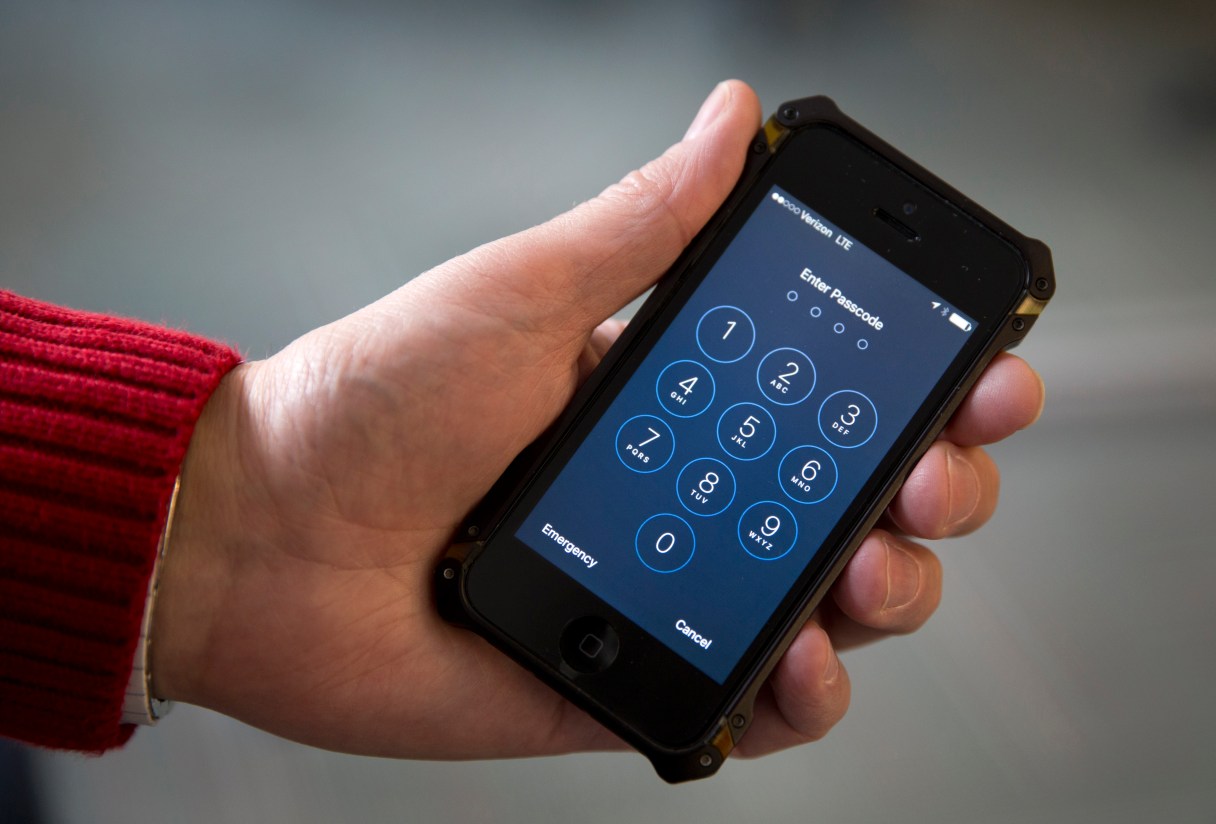
SAN FRANCISCO (AP) – In its battle with Apple over an extremist’s iPhone, the FBI says neither the company nor anyone else has anything to fear. Although they want to compel assistance from Apple to unlock a phone used by San Bernardino mass shooter Syed Farook, officials say the techniques they propose are limited in scope and pose no risk to the privacy of other iPhone users.
Security experts say it’s not so simple.
“It’s a very dangerous proposition to claim that this capability could not be re-used,” said Will Ackerly, chief technology officer at Virtru, a computer security firm he co-founded after working 8 years at the National Security Agency.
Federal prosecutors have asked a court to force Apple to produce special software that would help the FBI guess the passcode to an iPhone found in Farook’s car. Federal officials say Apple will be free to destroy that software once the iPhone is open to investigators.
Apple argues it’s unrealistic to think that governments, both in the U.S. and overseas, won’t ask to use the same program again in other cases. Ackerly and other experts echoed that concern. And on technical grounds, experts say, it may simply be impossible to keep the program from falling into the wrong hands.