
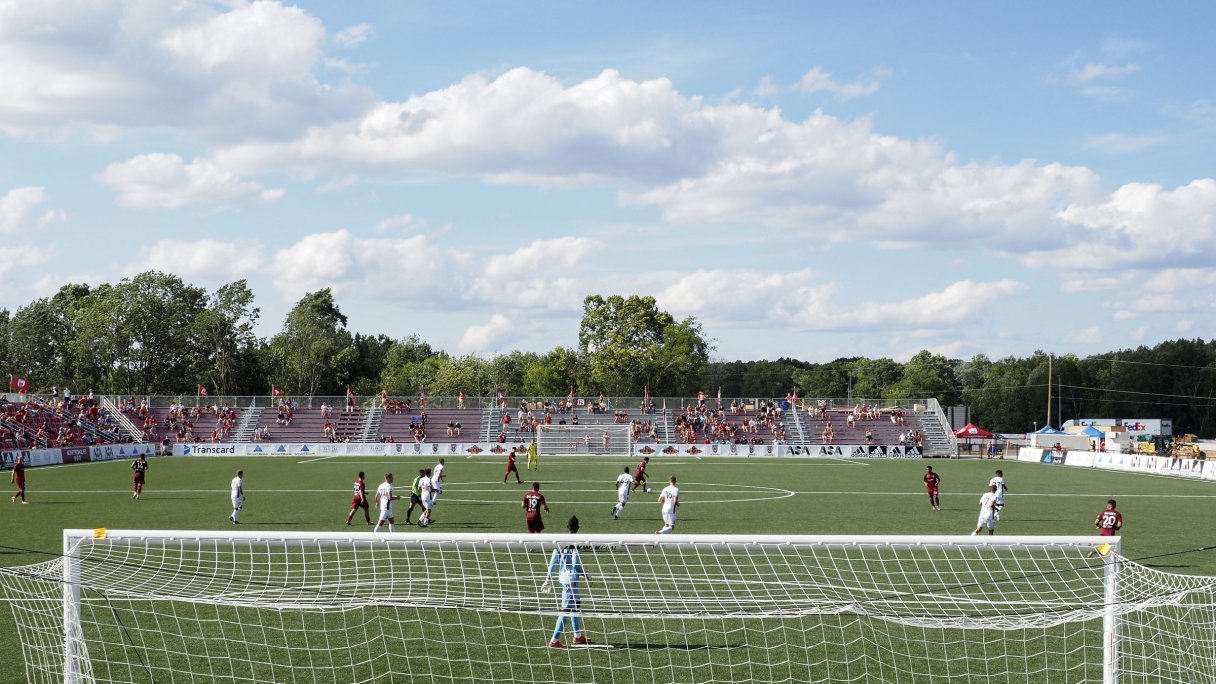

A local conservation group is worried construction associated with the Red Wolves soccer stadium in East Ridge will permanently damage wetlands in the South Chickamauga Creek watershed after the state allowed the $150 million project to go forward.
The Tennessee Department of Environment and Conservation this month issued an aquatic resource alteration permit that allows the filling in of 2.4 acres of wetland on the 61-acre site despite objections from the South Chickamauga Creek Greenway Alliance over wetland and flooding concerns.
The property lies along Interstate 75 South near the Interstate 24 interchange roughly between the freeway and the stadium. Maps identify 20 wetland areas within the boundaries of the recently permitted project and the Red Wolves stadium now open for business.
Star Community Builders president and Red Wolves owner Robert Martino applied for the permit last summer to build a multiuse complex to support the recently completed Red Wolves Stadium, according to documents filed with TDEC.
The department approved the company’s application and issued the permit May 18.
(READ MORE: Volkswagen restores 40 acres of wetlands near Chattanooga plan, company says)
The multiuse complex will include two 5-story, 188-room hotels, two apartment buildings housing 400 apartments and condos, a clubhouse, a mixed-use retail center, a 40,000-square-foot convention center, a 1,200-space parking garage, 900 additional parking spaces in a lot, a 40,000-square-foot office complex and supporting infrastructure, plans show.
Despite the permit, South Chickamauga Creek Greenway Alliance chairperson Sandy Kurtz contends the damage to wetlands will be irreversible. She said she and the alliance have opposed the construction of the stadium and its accompanying facilities since the beginning because of the proximity to wetlands.
“No matter that six of the 20 wetlands are not being filled in, the rest of the land is covered up with asphalt and buildings that will destroy the wetland processes and, over time, lose all the remaining wetlands and their free services,” Kurtz said. “Numerous on-ground paved parking areas, associated with all aspects of the development, will result in polluting runoff from cars flowing directly into existing wetlands, thereby further degrading them. Building in filled wetlands invites stormwater and flooding issues.”
Kurtz filed lengthy letters that joined about a dozen additional comments submitted to TDEC before the April 22 deadline for public input. Those who filed comments echoed Kurtz’s concerns about wetland loss and more flooding problems.
Chattanooga resident Lyn Rutherford said wetlands at the site are vital for flood protection and provide a valuable service to adjacent landowners.
“As a stormwater professional I have been continuously surprised that the stadium was allowed to be built at all considering the drastic impacts its construction and the resulting impervious surfaces will have on fragile but hard-working wetland landscapes,” said Rutherford, who works for the city of Chattanooga. “From a purely practical standpoint, these wetlands are stormwater infrastructure.”
But Star Community Builders maintains the company has satisfied all requirements for the work, according to Albert Waterhouse, spokesperson for the company.
“The project has been and continues to be designed and constructed to meet all local, state and federal regulations,” Waterhouse said Friday in a statement. “TDEC has issued the necessary individual aquatic resources alteration permit because the developer has met or exceeded state required on-site preservation requirements and federally required off-site compensatory mitigation requirements.”
At the April 22 hearing on the permit TDEC officials said the wetlands being preserved at the site are better quality than those being filled in.
“There are about 20 small wetlands out there,” said Mike Lee, of TDEC’s division of water resources. “Some wetlands will be avoided and preserved and placed under land use restrictions, and these are more high-quality wetlands.”
During development of the property, the company relocated about 54 individual Florida hedge hyssop plants – which make the site an Exceptional Tennessee Wetland – from one wetland area that will be impacted by development to another that will be protected, according to permit documents.
Described as “public recreational opportunities,” several features are being incorporated into the site design, including a small lake constructed in uplands and surrounded by a walking trail that connects to a proposed trail system on the adjoining northern property, documents state. Star Community Builders states that impacts to streams “will be avoided and impacts to the highest quality wetlands are being minimized or avoided.”
Kurtz isn’t buying it and said she believes what the company calls “uplands” in its plans will actually be land built up above the floodplain, similar to the buildup of the stadium site to the south that required truckload after truckload of dirt to be hauled in to raise the elevation of the project. She believes more study should be done on impacted species that could include the native Chickamauga crayfish, migratory birds and other plants known to live in the watershed.
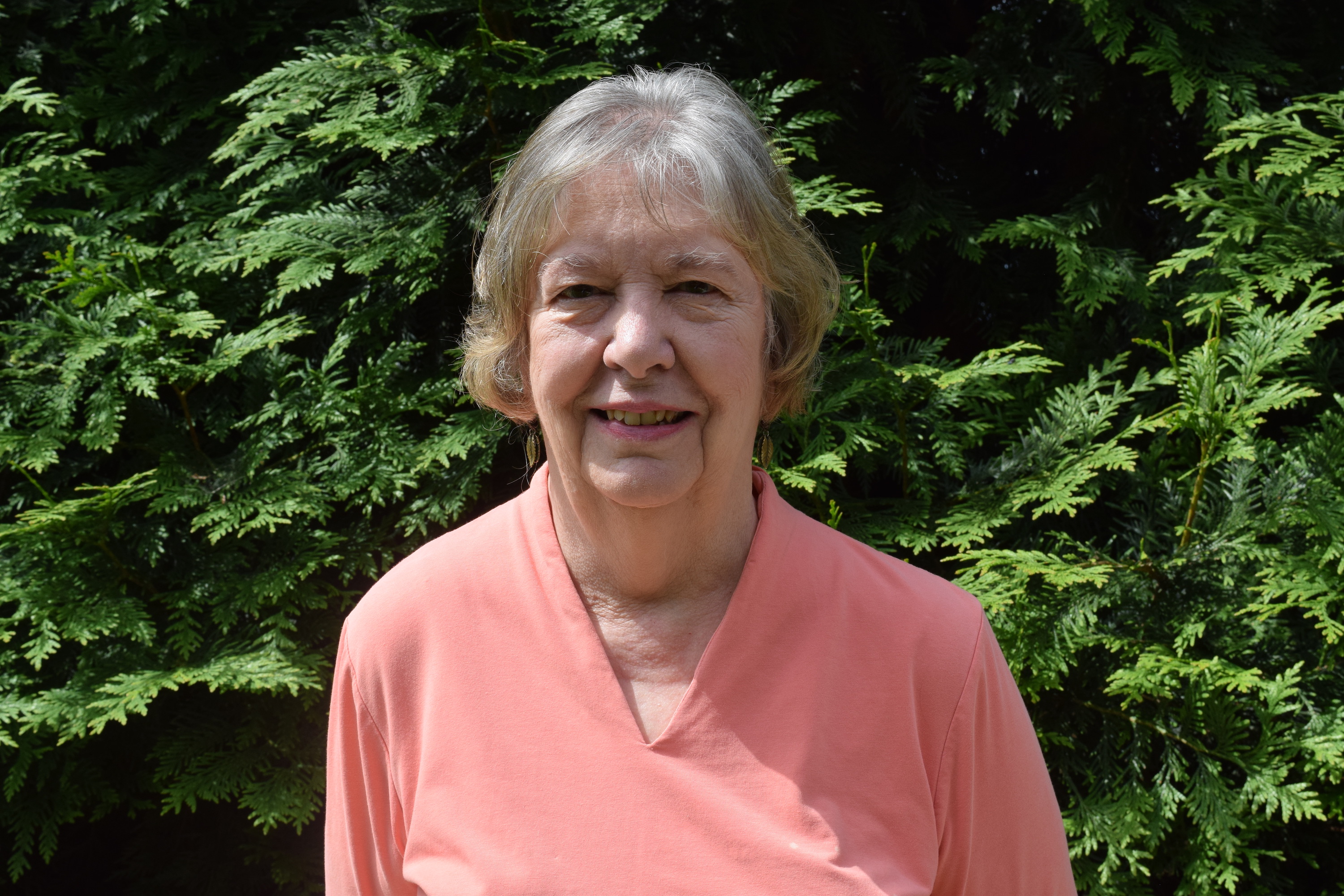 Staff photo by Ben Benton / Sandy Kurtz, chairperson of the Chickamauga Creek Greenway Alliance.
“No matter how responsible the engineering is or how well the permit parameters are followed, the biodiversity of the wetland will be permanently lost,” Kurtz wrote in a May 6 letter to TDEC.
Some projects that damage wetlands are better mitigated, Kurtz said, pointing to the efforts by the Tennessee Department of Transportation and its contractors to mitigate wetland damage from the adjacent interstate construction project. Wetland damage from construction associated with the $132.6 million Interstate 75-Interstate 24 interchange improvement project was balanced by adding back wetland areas within the project area and South Chickamauga Creek’s watershed, Kurtz said.
Contractors are allowed to purchase wetland bank credits in other areas to compensate for wetland damage done during construction, according to the U.S. Environmental Protection Agency. In the case of the Star Community Builders, those credits can be purchased in Sequatchie County, Tennessee, where landowner Karl Wagner created the Sequatchie Valley Wetland Mitigation Bank with farmland near Whitwell, Tennessee. The land was converted into wetlands around 2011.
By meeting requirements of the wetland bank credit program, the Sequatchie Valley Wetland Mitigation Bank provides mitigation credits for projects such as the interchange or the Red Wolves development where wetland damage from development is unavoidable. The purchase of credits reimburses wetland bank sponsors such as Wagner for their investment in recreating and preserving wetlands and loss of farmland production.
Documents show Star Community Builders purchased credits from the program in the Sequatchie Valley to compensate for wetland damage on the project site. Opponents of the project wanted wetland mitigation to take place within the South Chickamauga Creek watershed instead, Kurtz said.
She believes mitigation was lop-sided and ended up in a net loss of wetland.
The department of environment and conservation will keep an eye on the project and respond to any complaints, according to spokesperson Kim Schofinski.
“In general, TDEC has the legal authority to inspect projects on private property, so a compliance inspection could take place at any point, including if site-specific information is brought to our attention that prompts an inspection of this site,” Schofinski said.
Going forward, Kurtz said, the alliance will assume a monitoring role.
The group “will be monitoring the project to make sure they are following the permit requirements carefully regarding the wetlands left and the water quality of Spring Creek,” she said.
“We had some success in that our comments resulted in a slight increase in the amount of wetland acreage saved and an increase in the buffer zone for the wetlands to 30 feet instead of 15,” Kurtz said. “This permit does not address flooding. We will see what happens in the future given increased heavy rainstorms due to climate change.”
Contact Ben Benton at bbenton@timesfreepress.com or 423-757-6569. Follow him on Twitter @BenBenton.