
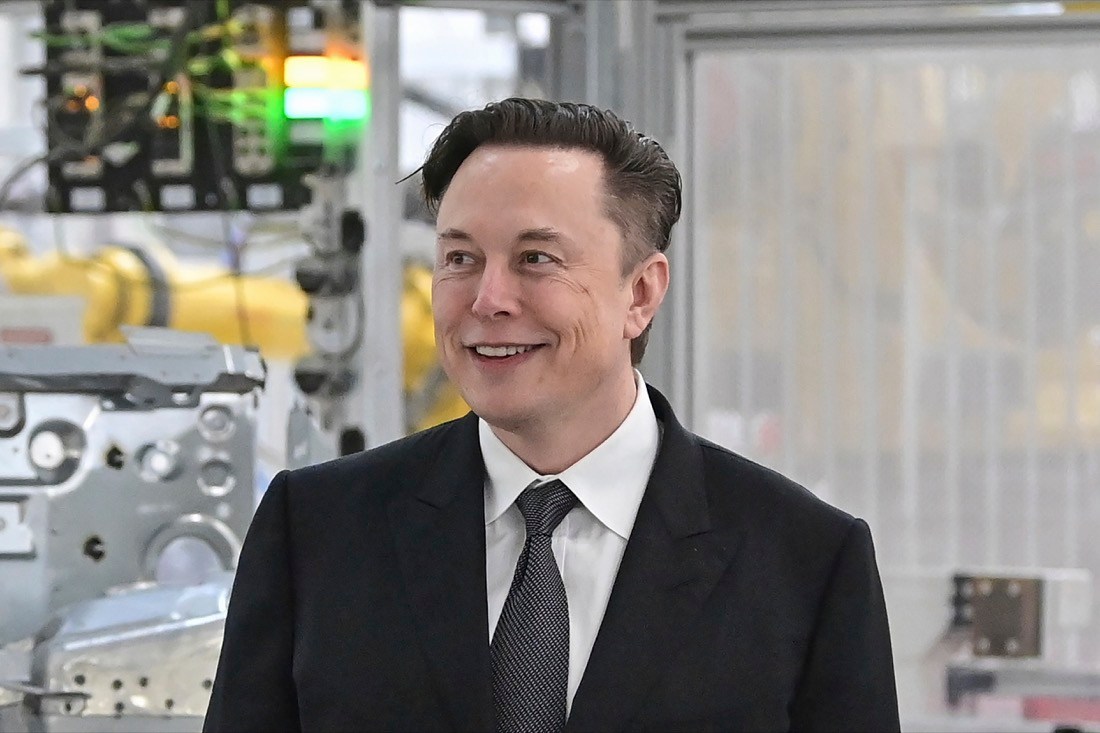
DOVER, Del. (AP) – Elon Musk’s attempt to delay a lawsuit filed against him by Twitter after he tried to walk away from a $44 billion agreement to buy the company has failed. On Tuesday, a Delaware judge ordered an expedited trial citing the “cloud of uncertainty” over the social media platform.
Chancellor Kathaleen St. Jude McCormick, the head judge of Delaware’s Court of Chancery, set an October start date.
WHAT IS THE LAWSUIT ABOUT?
Musk, the world’s richest man, pledged to pay $54.20 a share for Twitter but now wants to back out of the agreement. He claims the company has failed to provide adequate information about the number of fake, or “spam bot,” Twitter accounts, and that it has breached its obligations under the deal by firing top managers and laying off a significant number of employees.
Twitter argues that Musk, CEO of electric car maker and solar energy company Tesla Inc., has operated in bad faith and is deliberately trying to tank the deal because market conditions have deteriorated and the acquisition no longer serves his interests. According to the lawsuit, the value of Musk’s shares in Tesla, which he was to draw upon to help finance the acquisition, has declined by more than $100 billion since November.