
Thursday, October 29, 2026Oct 29

This story is free to read.

Monarch butterflies are in trouble; Here’s how you can help

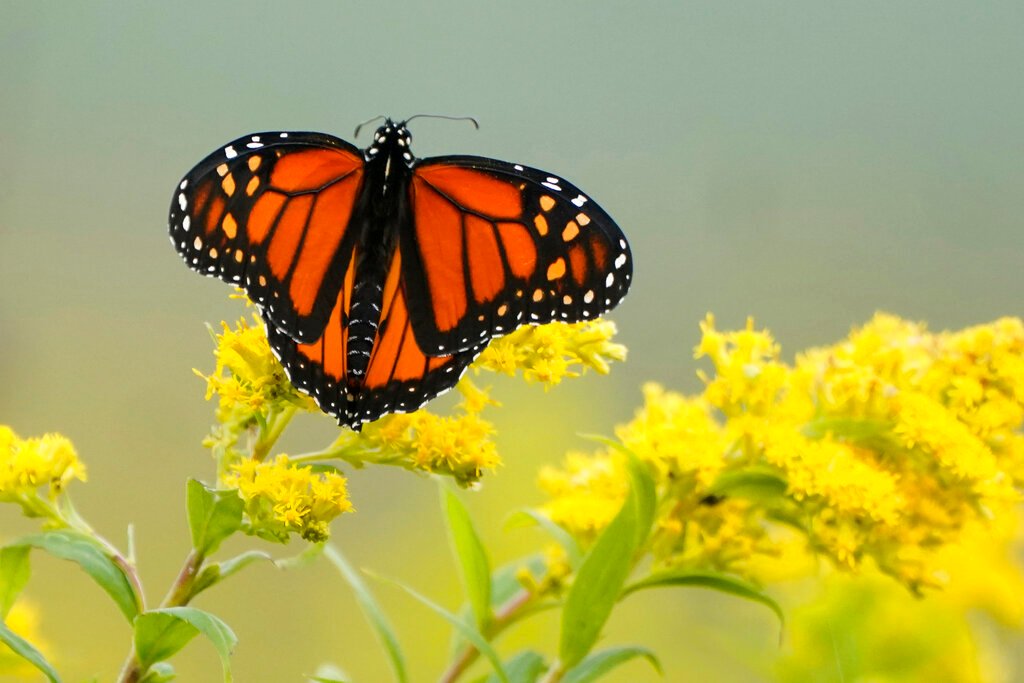
A Monarch butterfly pauses in a field of Goldenrod on Sept. 11, 2020, at the Flight 93 National Memorial in Shanksville, Pa. The International Union of Conservation of Nature officially categorized the monarch as "endangered" and added it to its Red List of Threatened Species on July 21. (AP Photo/Gene J. Puskar)
A Monarch butterfly pauses in a field of Goldenrod on Sept. 11, 2020, at the Flight 93 National Memorial in Shanksville, Pa. The International Union of Conservation of Nature officially categorized the monarch as "endangered" and added it to its Red List of Threatened Species on July 21. (AP Photo/Gene J. Puskar) A Monarch butterfly pauses in a field of Goldenrod on Sept. 11, 2020, at the Flight 93 National Memorial in Shanksville, Pa. The International Union of Conservation of Nature officially categorized the monarch as "endangered" and added it to its Red List of Threatened Species on July 21. (AP Photo/Gene J. Puskar)

Close your eyes for a moment and imagine a butterfly. My money says the fluttering insect you’re envisioning has black-veined, reddish-orange wings outlined with white specks – the iconic attributes of our beloved, American, monarch butterfly.

Unfortunately, the species, which populates many childhood memories, is in trouble.

The migrating monarch butterfly was added last week to the “red list” of threatened species and categorized as “endangered” for the first time by the International Union for the Conservation of Nature. That’s two steps from extinct in the wild.

Scientists blamed the monarchs’ plummeting numbers on habitat loss, climate change, and pesticide and herbicide use.

What can home gardeners do to support the monarch?