
Wednesday, November 11, 2026Nov 11

OPEC+ makes big oil cut to boost prices; pump costs may rise

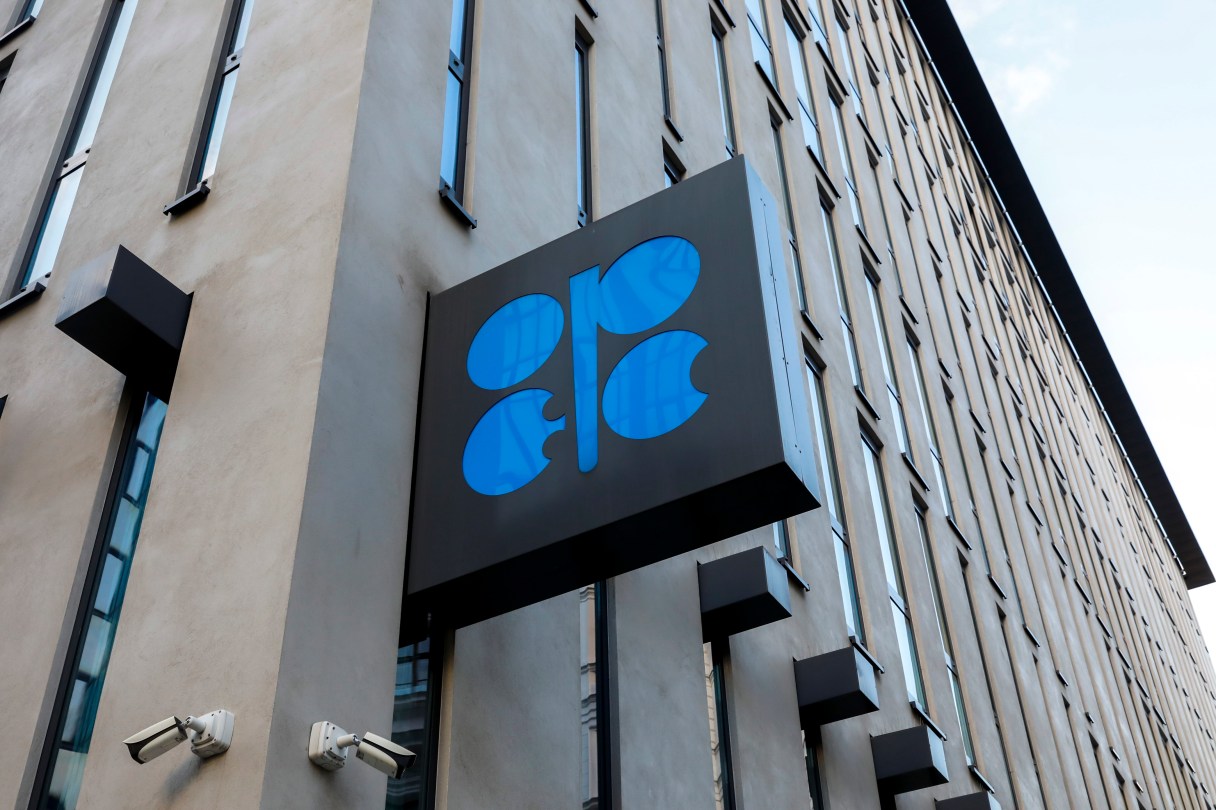
FILE - The logo of the Organization of the Petroleoum Exporting Countries (OPEC) is seen outside of OPEC's headquarters in Vienna, Austria, March 3, 2022. A cut in oil production is on the table when OPEC oil-producing countries meet Wednesday, Oct. 5. The OPEC+ alliance that includes Saudi Arabia and Russia is weighing a cut of a million barrels or more. (AP Photo/Lisa Leutner, file)
FILE - The logo of the Organization of the Petroleoum Exporting Countries (OPEC) is seen outside of OPEC's headquarters in Vienna, Austria, March 3, 2022. A cut in oil production is on the table when OPEC oil-producing countries meet Wednesday, Oct. 5. The OPEC+ alliance that includes Saudi Arabia and Russia is weighing a cut of a million barrels or more. (AP Photo/Lisa Leutner, file) FILE - The logo of the Organization of the Petroleoum Exporting Countries (OPEC) is seen outside of OPEC's headquarters in Vienna, Austria, March 3, 2022. A cut in oil production is on the table when OPEC oil-producing countries meet Wednesday, Oct. 5. The OPEC+ alliance that includes Saudi Arabia and Russia is weighing a cut of a million barrels or more. (AP Photo/Lisa Leutner, file)


FRANKFURT, Germany (AP) — The OPEC+ alliance of oil-exporting countries decided Wednesday to sharply cut production to support sagging oil prices, a move that could deal the struggling global economy another blow and raise politically sensitive pump prices for U.S. drivers just ahead of key national elections.

Energy ministers cut production by a larger-than-expected 2 million barrels per day starting in November after gathering for their first face-to-face meeting at the Vienna headquarters of the OPEC oil cartel since the start of the COVID-19 pandemic.

The group said the decision was based on the “uncertainty that surrounds the global economic and oil market outlooks.” Saudi Energy Minister Abdulaziz bin Salman stressed the group’s stated role as a guardian of stable energy markets.

“We are here to stay as a moderating force, to bring about stability,” he told reporters.