
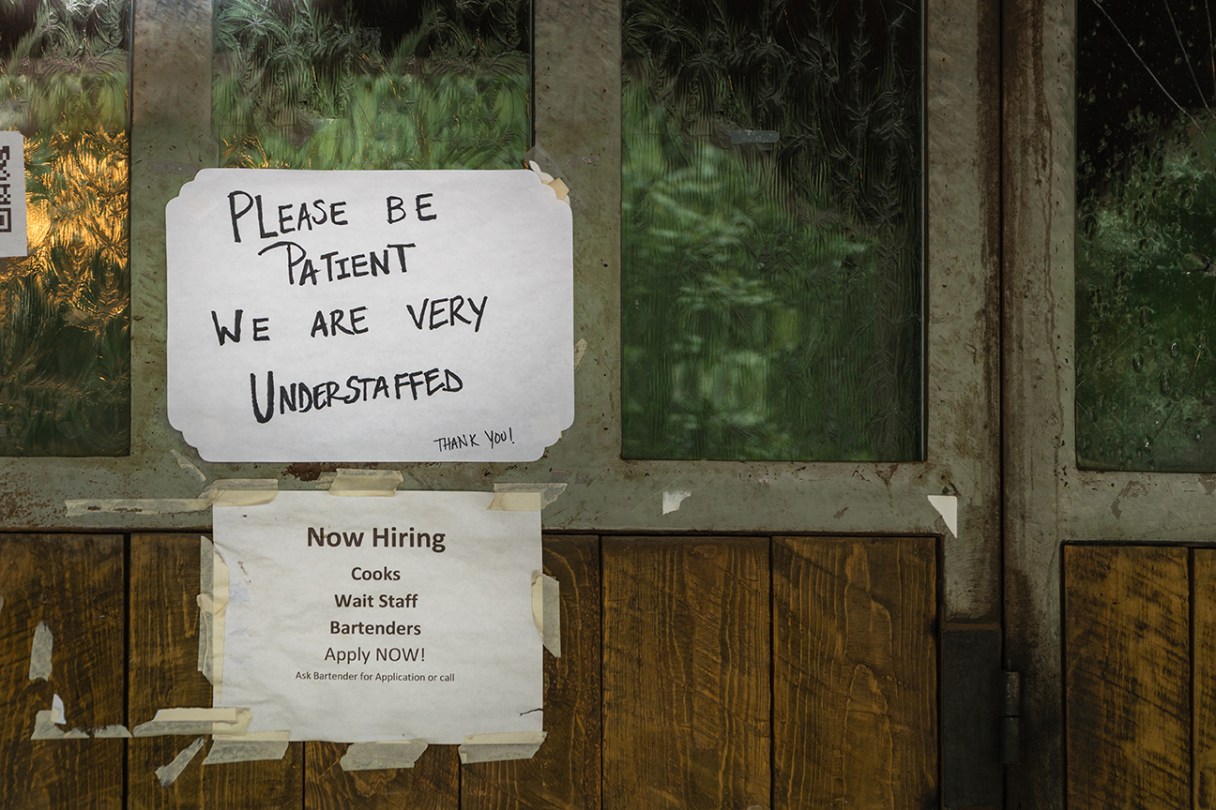
WASHINGTON (AP) — Still eager to hire, America’s employers are posting more job openings than they did before the pandemic struck 2 1/2 years ago. Problem is, there aren’t enough applicants. The nation’s labor force is smaller than when the pandemic struck.
The reasons vary — an unexpected wave of retirements, a drop in legal immigration, the loss of workers to COVID-19 deaths and illnesses. The result, though, is that employers are having to compete for a smaller pool of workers and to offer steadily higher pay to attract them. It’s a trend that could fuel wage growth and high inflation well into 2023.
In a recent speech, Federal Reserve Chair Jerome Powell pointed to the shortfall of workers and the resulting rise in average pay as the primary remaining driver of the price spikes that continue to grip the economy.
Though inflation pressures have eased slightly from four-decade highs — average gasoline prices are now below where they were a year ago — costs are still rising fast in much of the economy’s vast service sector. As a result, the Fed is expected Wednesday to raise its benchmark short-term rate for a seventh time this year, though by a smaller amount than it has recently.
The central bank has boosted its key rate by a substantial three-quarters of a point four straight times, to a range of 3.75% to 4%, the highest level in 15 years. Powell has signaled that the Fed will likely raise its benchmark rate by a half-point this week, and many economists expect quarter-point rate hikes after that.