
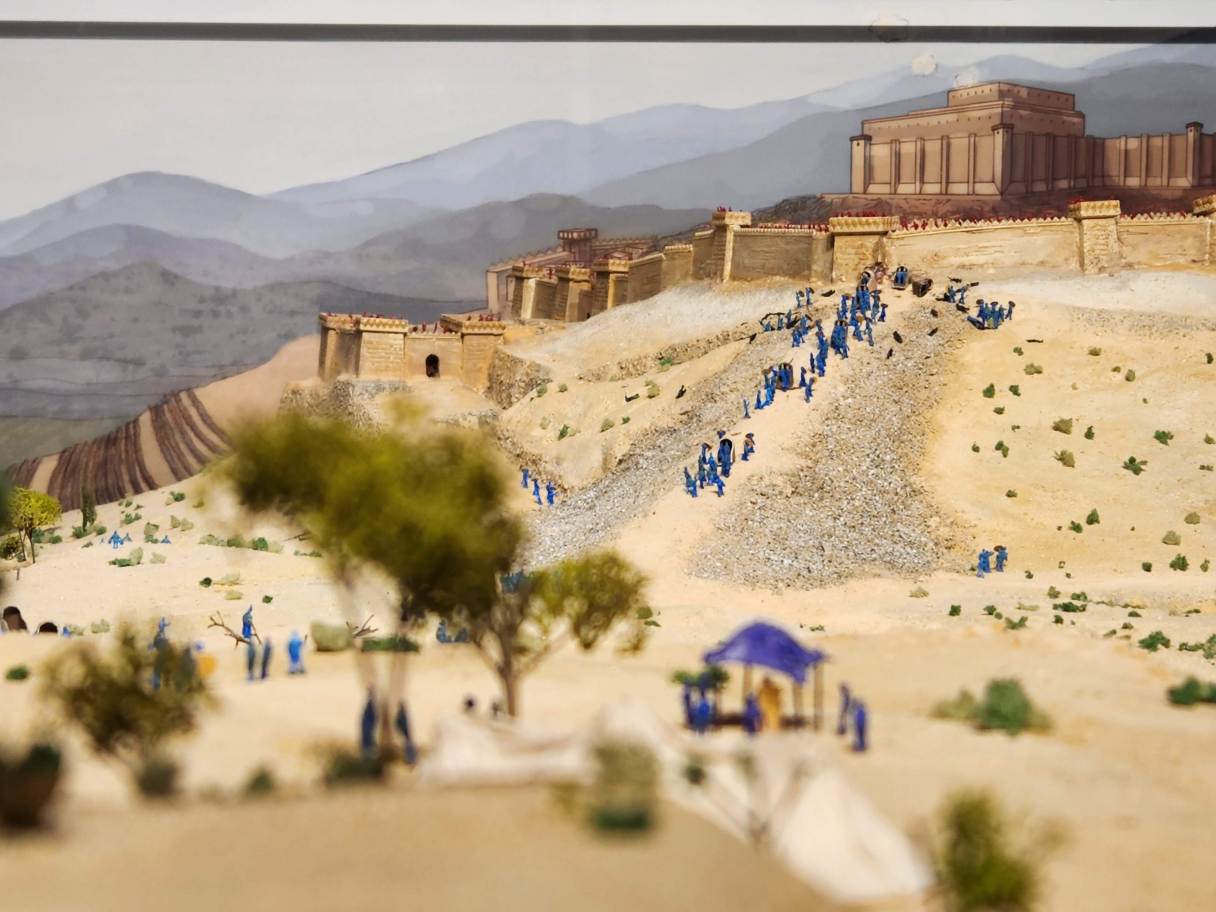
COLLEGEDALE — Thousands of years ago, the kingdom of Judah was under attack. Among the few remaining records of that? The Bible, which says an angel vanquished the troops of an aggressive Assyrian king — and thus miraculously saved the city of Jerusalem.
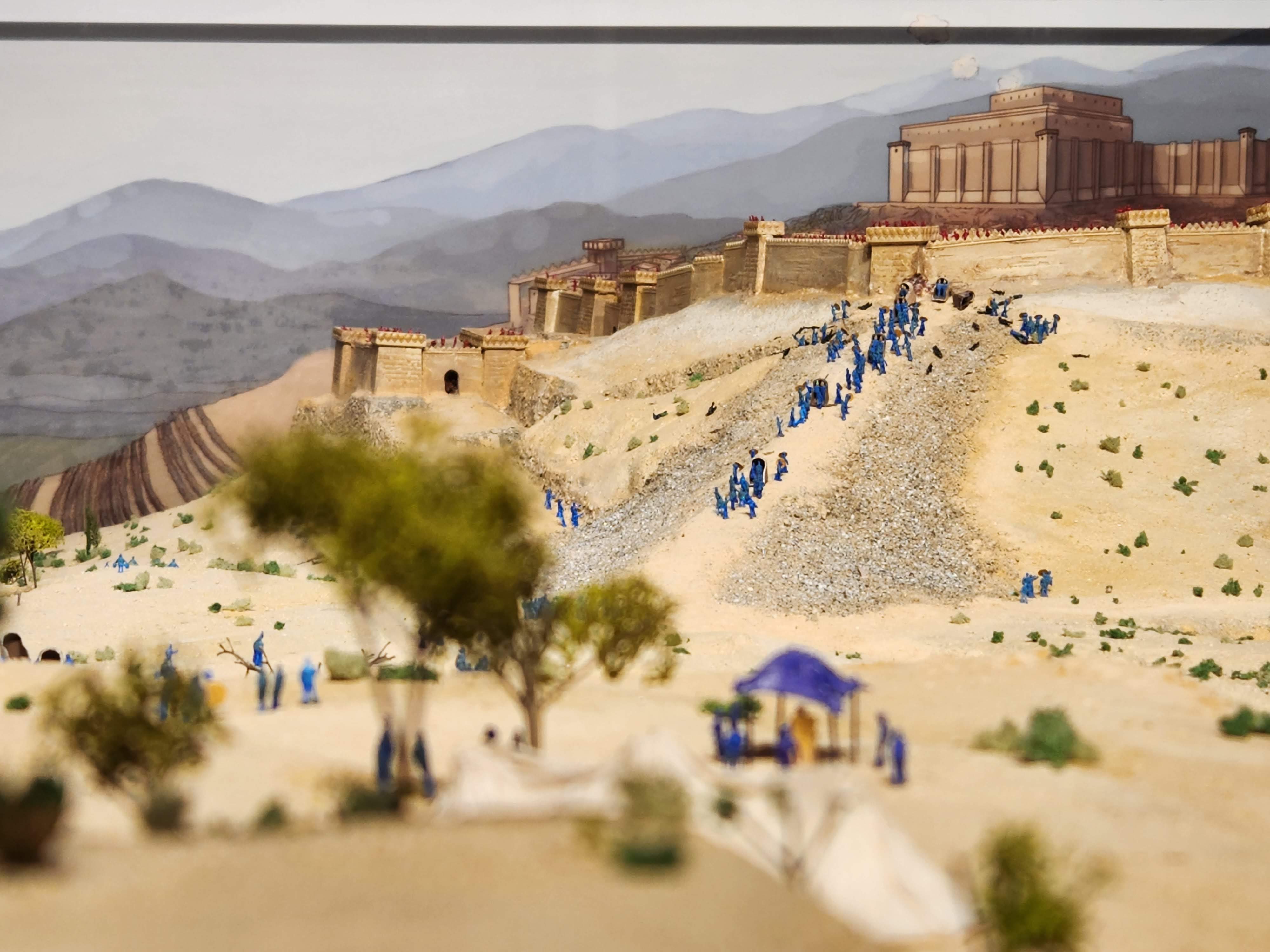
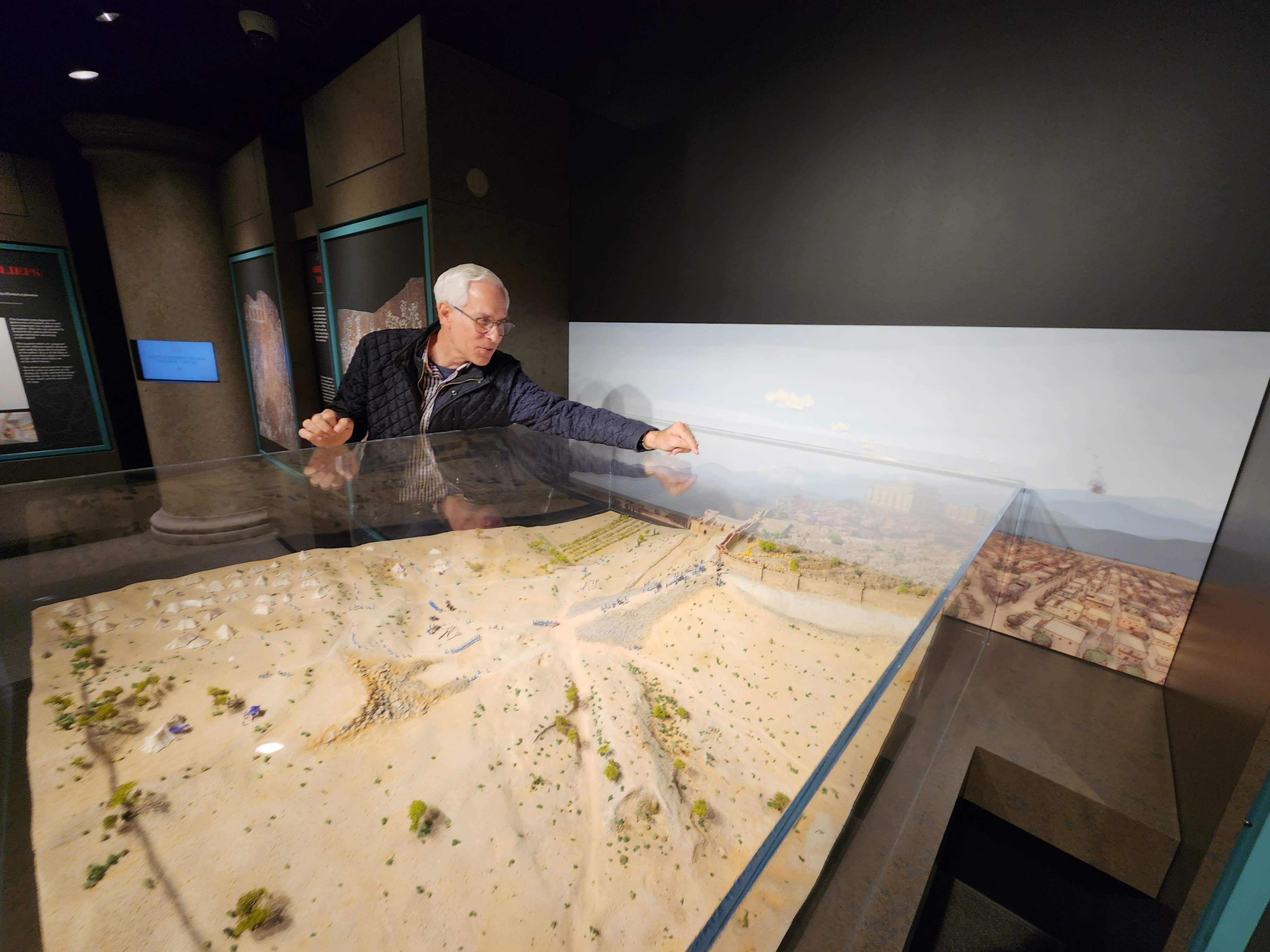
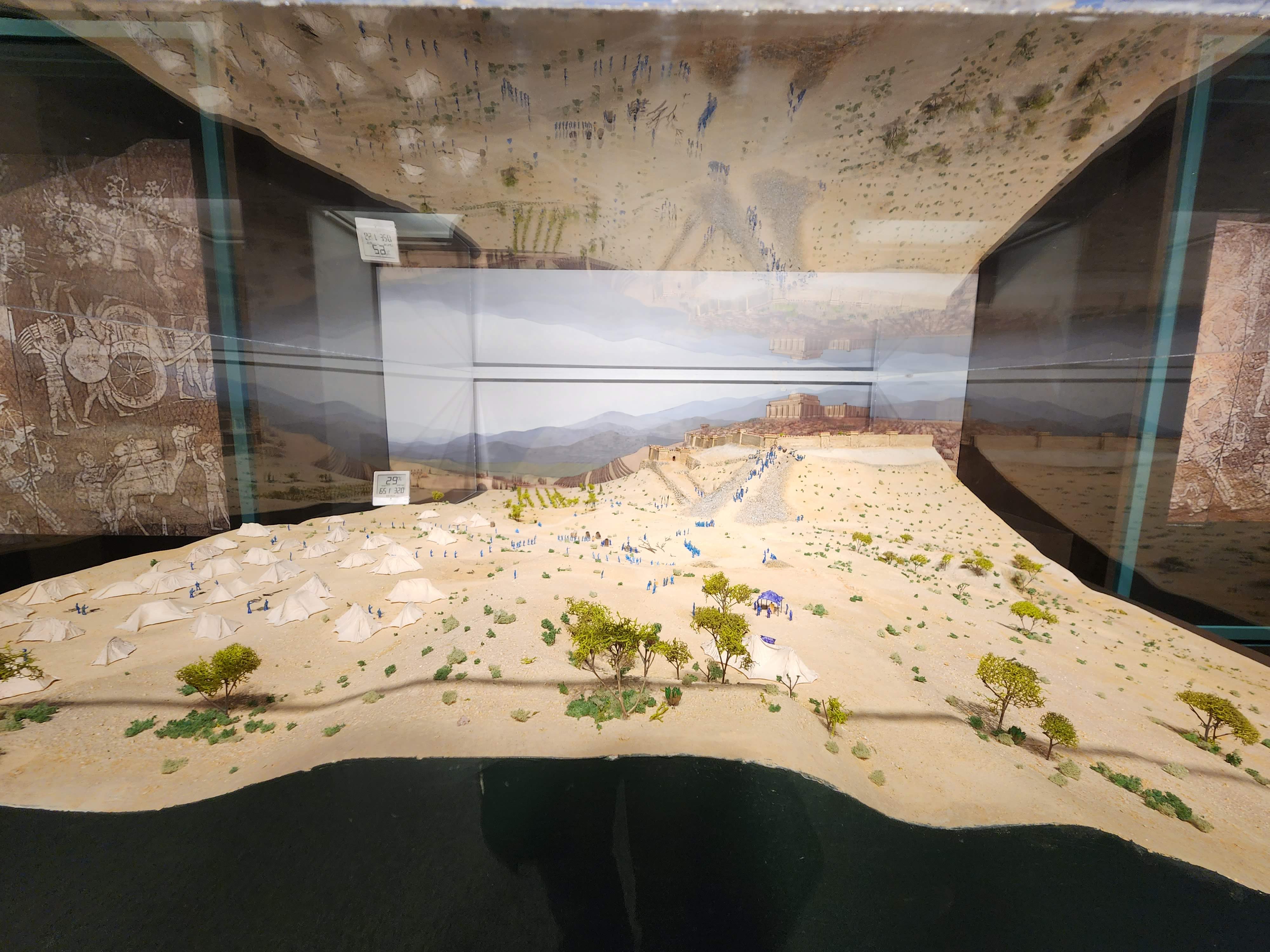
Records produced by that attacking king, Sennacherib, centered a different, perhaps more personally flattering story, however. An elaborate display found in the ruins of his ancient palace focused not on his failure in Jerusalem, but rather on his successful conquest of a prominent nearby city: Lachish.
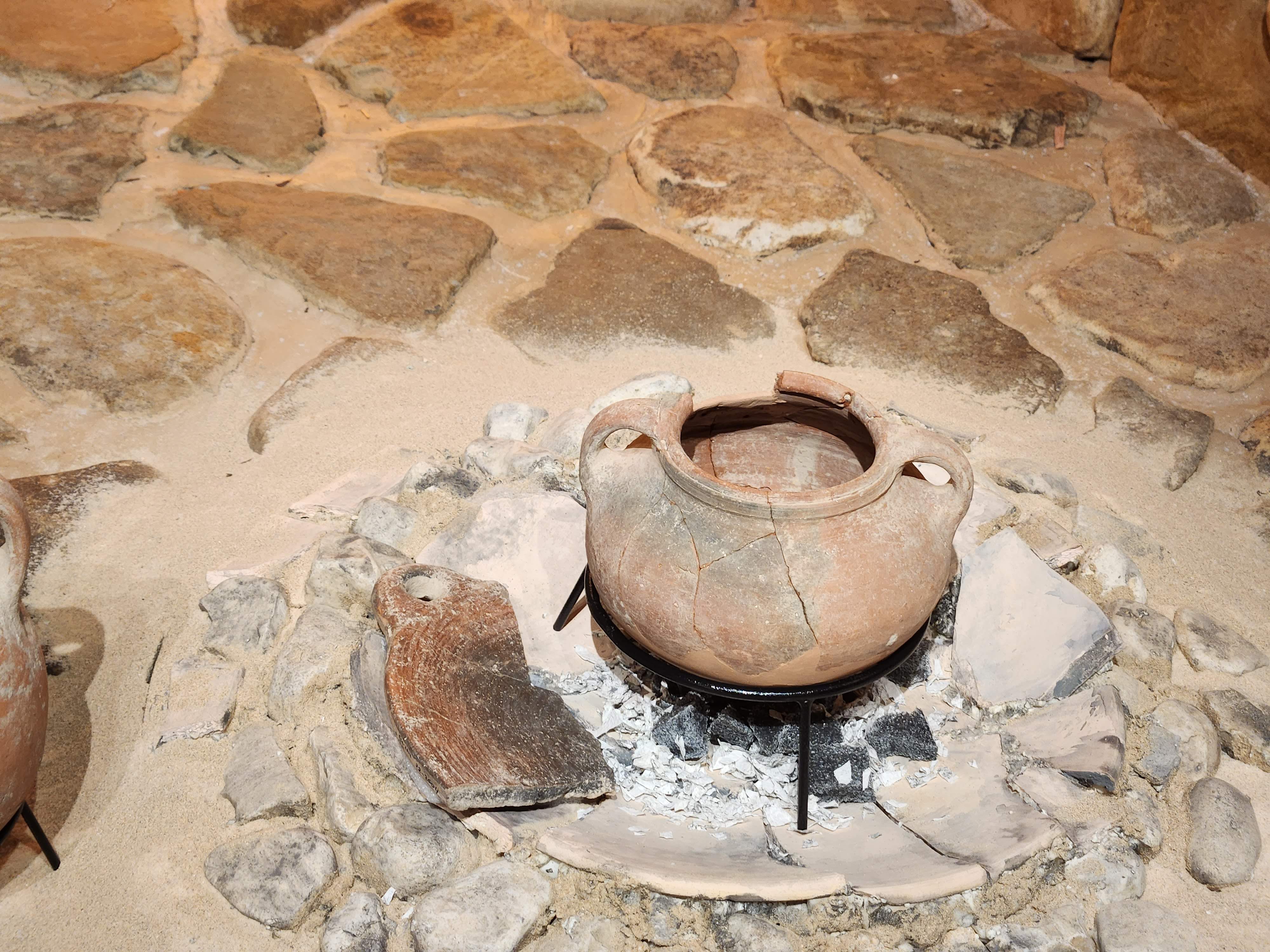
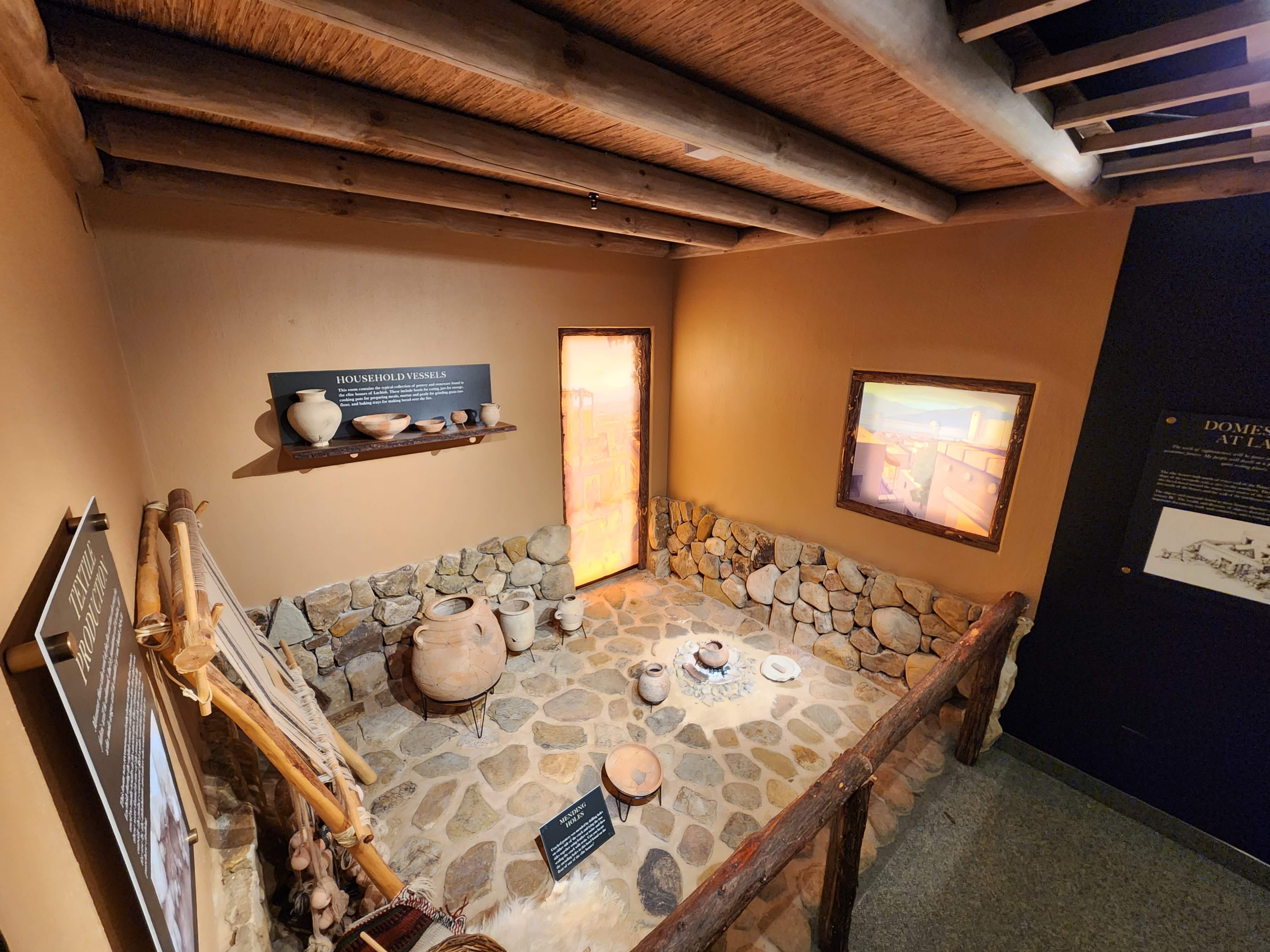
Lachish, which itself receives only passing mention in the Bible, has for years been studied by researchers from Southern Adventist University in Collegedale, who, through excavations and analysis, sought to learn more about that Old Testament time and place through the pottery, tools and detritus its people left behind.
(READ MORE: Chattanooga area researchers’ find leads to major discovery)

Among their finds was an ivory lice comb, carrying what may be the oldest complete sentence yet found in the ancient Canaanite writing system — a precursor to the modern alphabet.