
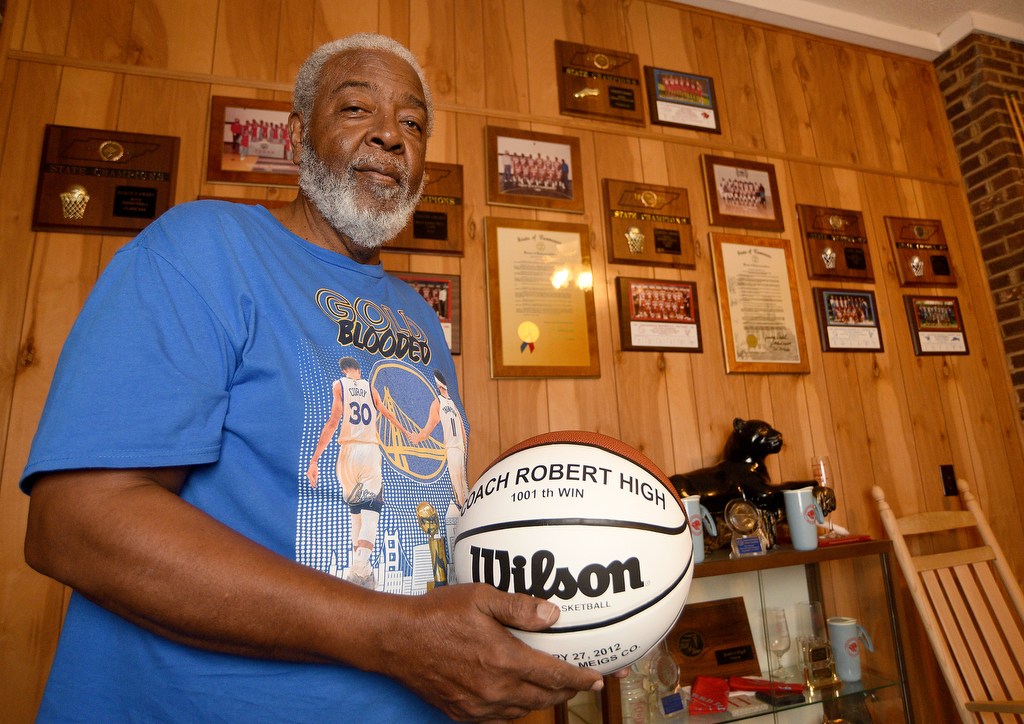
As hard as Robert High resisted becoming a coach, it turns out that it was just ingrained in him.
The late Florence High, Robert’s mom, had never played sports yet found herself coaching the Eli Giants, a well-known softball team in Alton Park. But that never stopped her from remaining devoted to her six kids.
“Whenever we were involved in anything athletics-wise, she was always there,” he said recently. “There was never an excuse as to why she couldn’t be there. She always supported us 100%; she was just that type of person.”
But after graduating from Tennessee State University, coaching was nowhere near the top of High’s list of things he wanted to do. He resisted calls from Herbert Barnett, Brainerd’s basketball coach at the time, to come help coach the junior varsity team before reluctantly agreeing to do it “for one year.”
“That one year never ended,” High said with a laugh.
As the nation celebrates Black History Month, the Times Free Press takes a look at four of the most influential leaders from Chattanooga’s sports community.
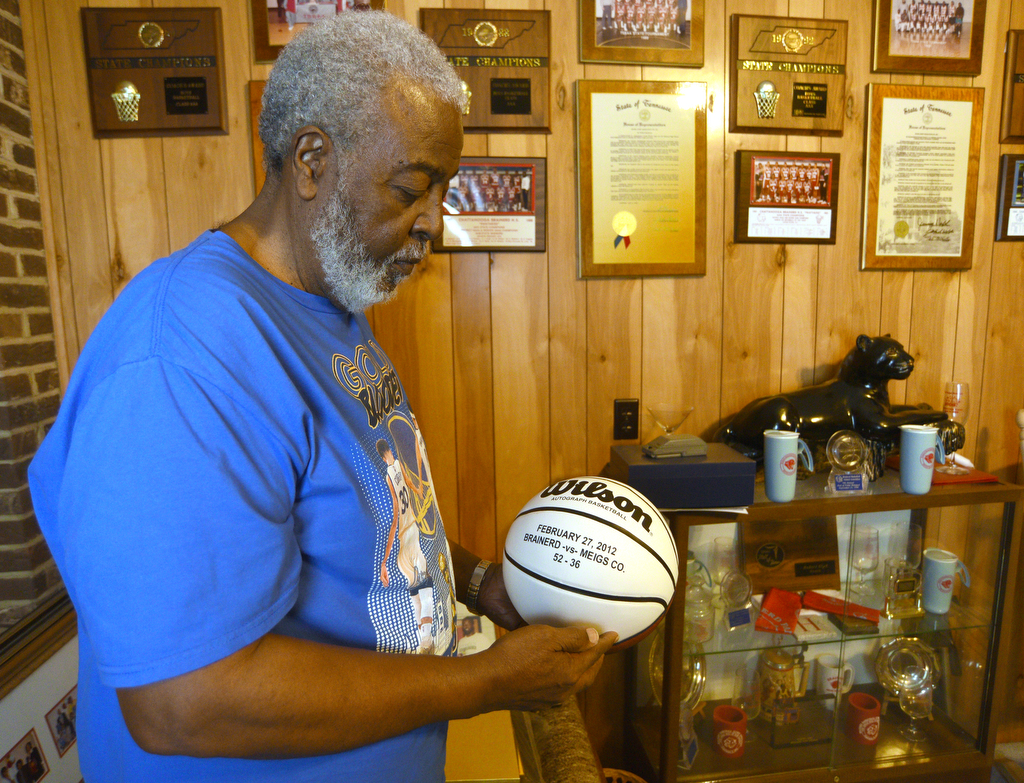
For High, who did eventually retire, there were wins — 1,001 of them. There were TSSAA state titles, with the Panthers hoisting gold ball trophies in 1984, 1988 and 1992. If it were just about the wins and losses, that would already be enough of a legacy to leave.
But it’s not. Rarely is it ever as it pertains to minorities in coaching, where coaches of all colors can have an impact on players of all colors.
Life experience isn’t always black and white, so seeing someone who looks like you on a sideline and who one can communicate with about life could influence kids to make choices to go into a profession such as coaching, which can impact so many lives positively.
Because of a coach like High, so many coaches have been given opportunities to lead programs.
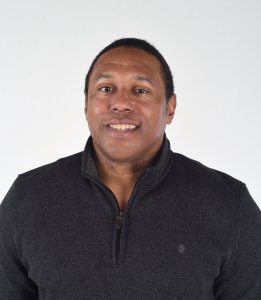
“Coach High helped so many kids in their personal life with things, things you didn’t even see on the court,” Chattanooga State basketball coach Jay Price, who played for High at Brainerd, said in 2022. “Whether it was making sure kids had a ride home or something to eat, he was a lot more than just a coach. For young African American kids, he’s someone positive they could pattern themselves after.
“He’s the reason I’m coaching now. Because of what he instilled in my life and other people’s lives, there are a lot of us who want to return the favor and help kids today. We all want to live up to his example and make him proud.”
They are doing just that.
“It just makes me feel great to know these guys and know they can have an impact on other people,” High said. “As they get older and continue to coach, they’re going to have a big impact and it’s going to get even more and more Black coaches, and not just in basketball, but in different sports. So it means a lot, really.”
With a nod of appreciation to local sports figures such as Pro Football Hall of Famer Reggie White, a former two-sport star at Howard, and legendary Riverside coach Dorsey Sims, here are three other leaders in the Black community who have influenced countless others as mentors.
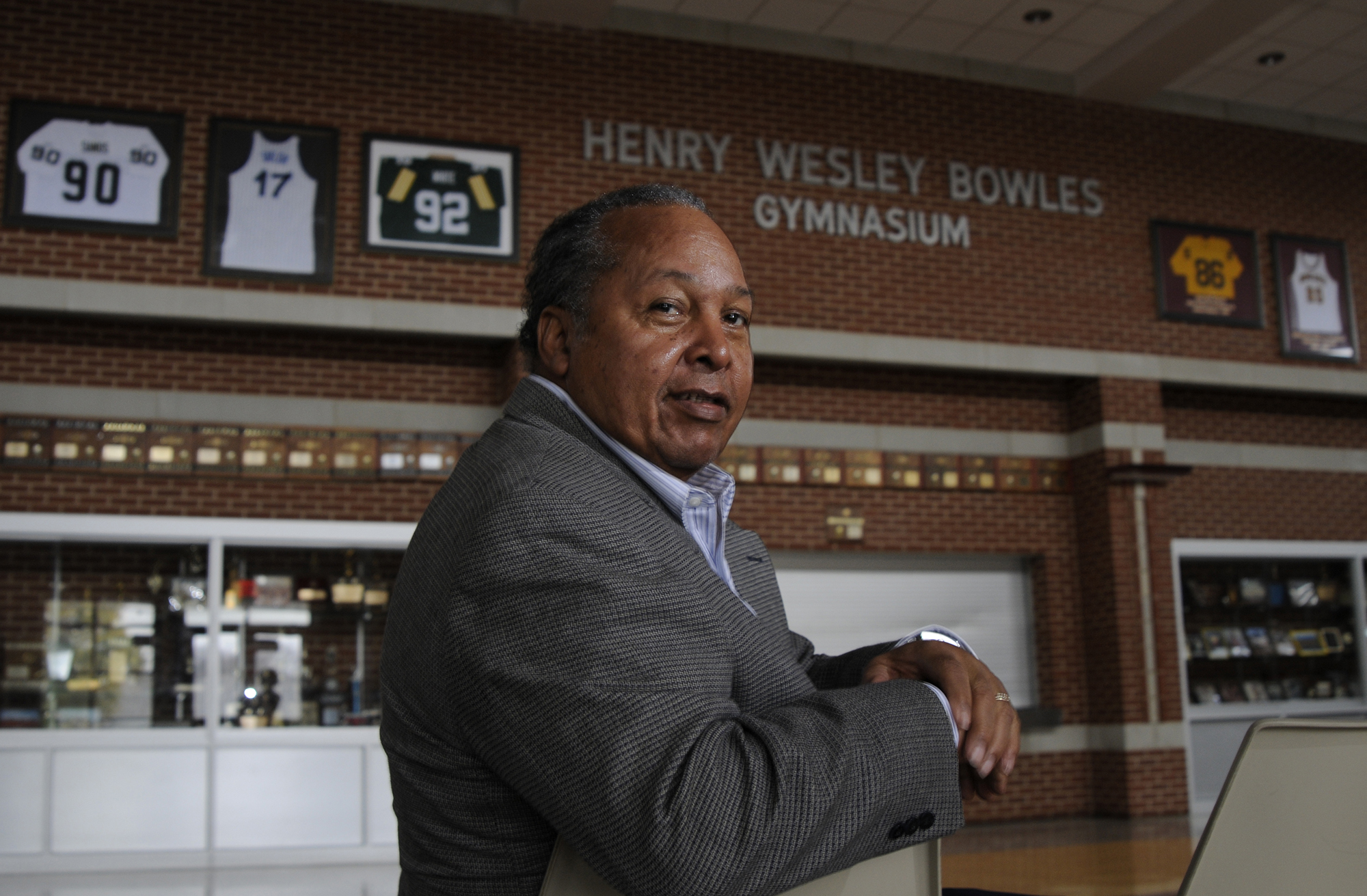
Brainerd had High, but Howard had Bowles, who, despite having a distinctly different sideline persona than High, had a similar impact to kids in the Howard community.
“Besides my father, Coach Bowles was a personal role model for me,” said Dank Hawkins, who played for Bowles in the mid-1970s. “He was so structured and disciplined, exactly what most young men need. He spent more time with us kids who played for him than he did his own family.
“God chooses some people for certain jobs. He was chosen to coach.”
Like High, Bowles planned to coach for one year. Like High, that one year lasted a very long time as he finished with more than 600 career wins with players such as Johnny Taylor and White.
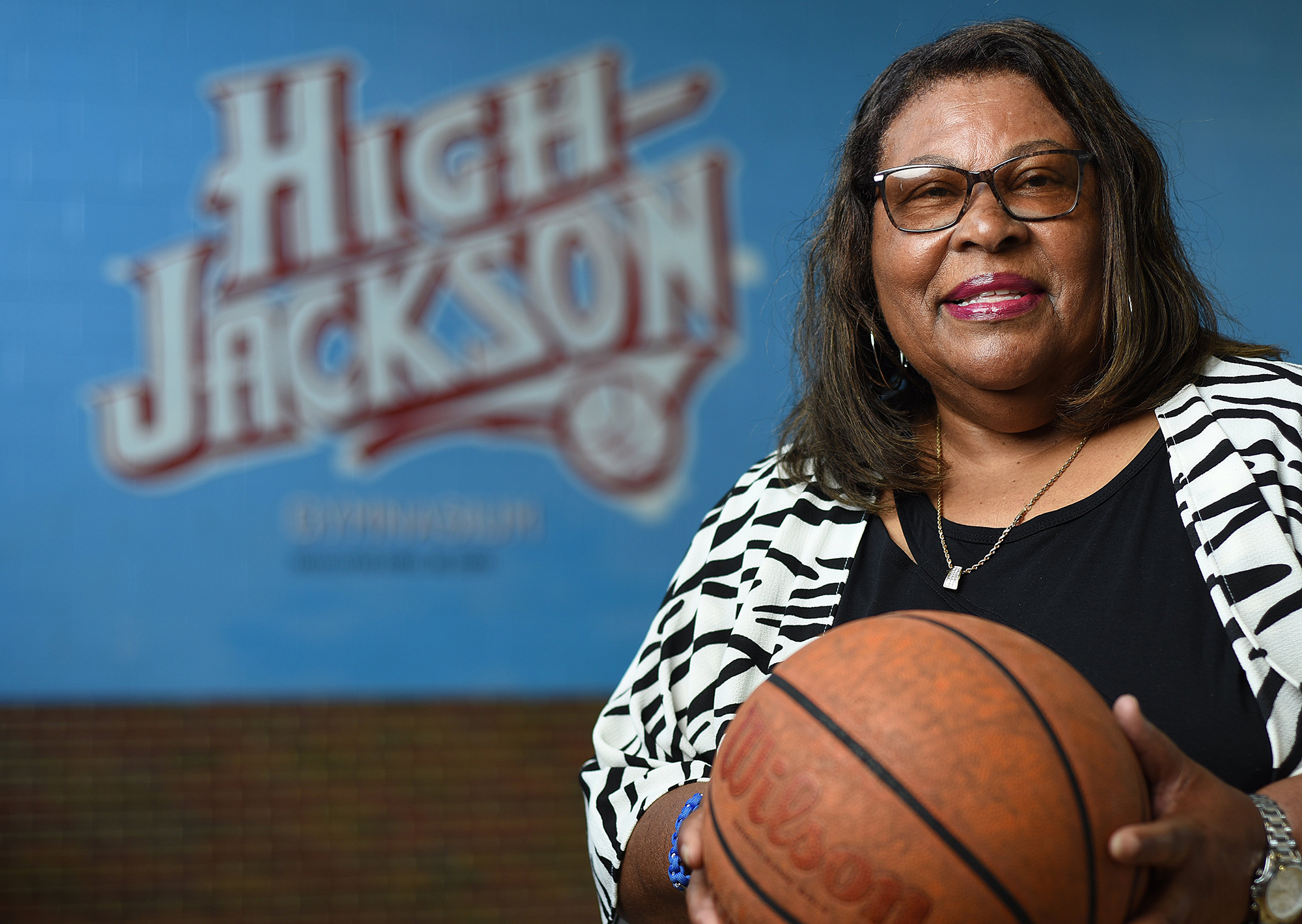
The former Brainerd girls’ basketball coach directed the program to a state championship in 1984 with future Olympian Venus Lacy on her team, and she finished with 965 coaching victories. Her coaching tree includes a branch that’s especially important to her: son Jason, who has been in the business in Georgia for about two decades with stints at Northwest Whitfield, Villa Rica and Cartersville, as well as a four-year head coaching stint at Luella. He currently coaches at Hiram.
“I don’t want to just coach them in basketball,” Jackson said in 2012. “Since I started, I’ve always wanted to try to mold kids into positive citizens, because that’s what’s most important. I learned early on that the sun will continue to rise long after basketball season or a career ends, so I wanted to make sure the kids who played for me learned more than just the game.”
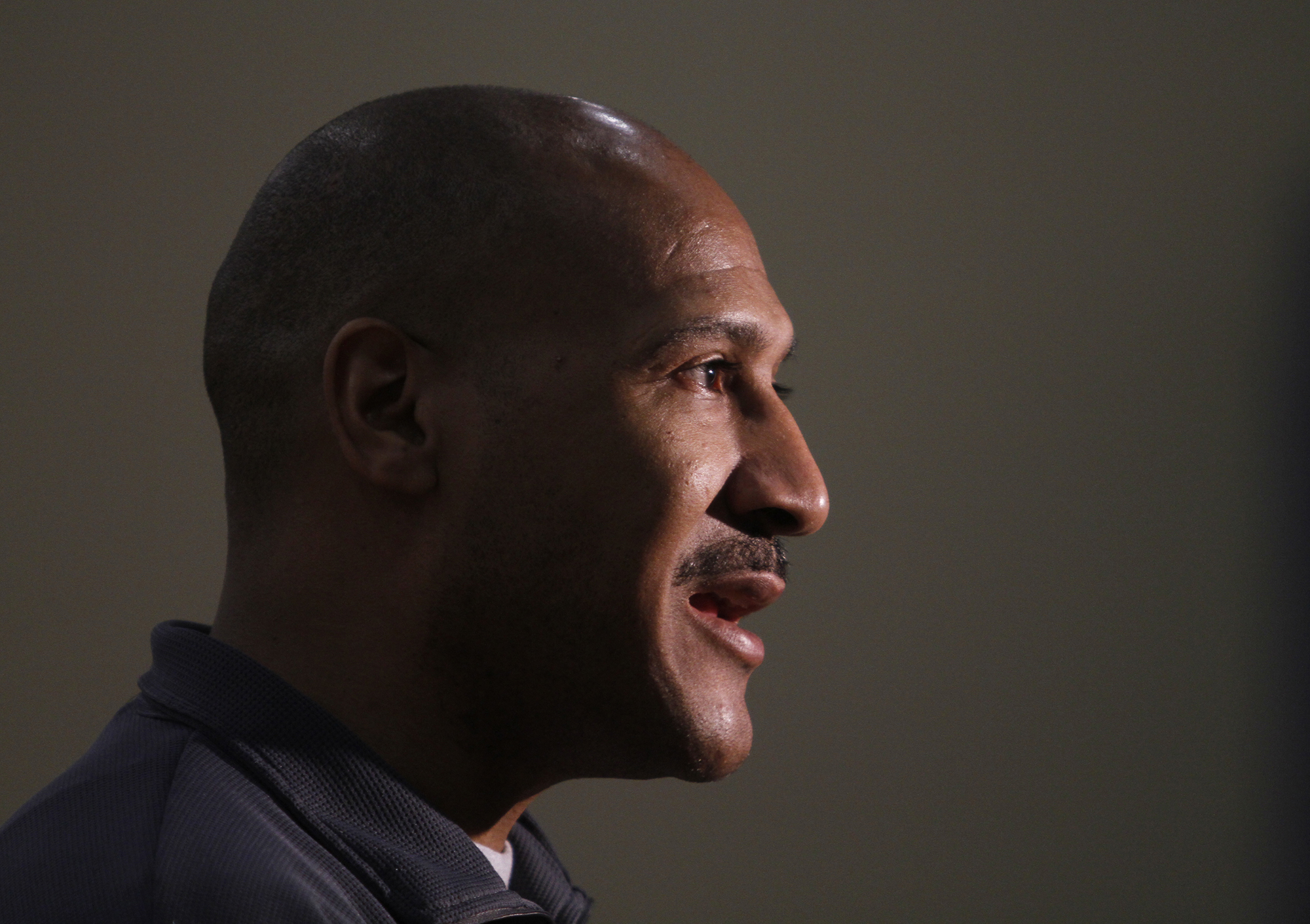
Paying it forward would be a proper summation of Price, who after a standout career at the University of Tennessee came back to the Chattanooga area.
“I know for a fact a lot of people looked up to Jay Price,” said former Tyner basketball standout Trey Suttles, who now coaches Moc Valley Prep, a postgraduate school for basketball players.
Price sent numerous players on to four-year colleges for opportunities to continue their education as well as basketball careers. He flexed his versatility in 2011, when he became the first to coach both the Chattanooga State men’s and women’s teams to the national tournament.
Contact Gene Henley at ghenley@timesfreepress.com.