
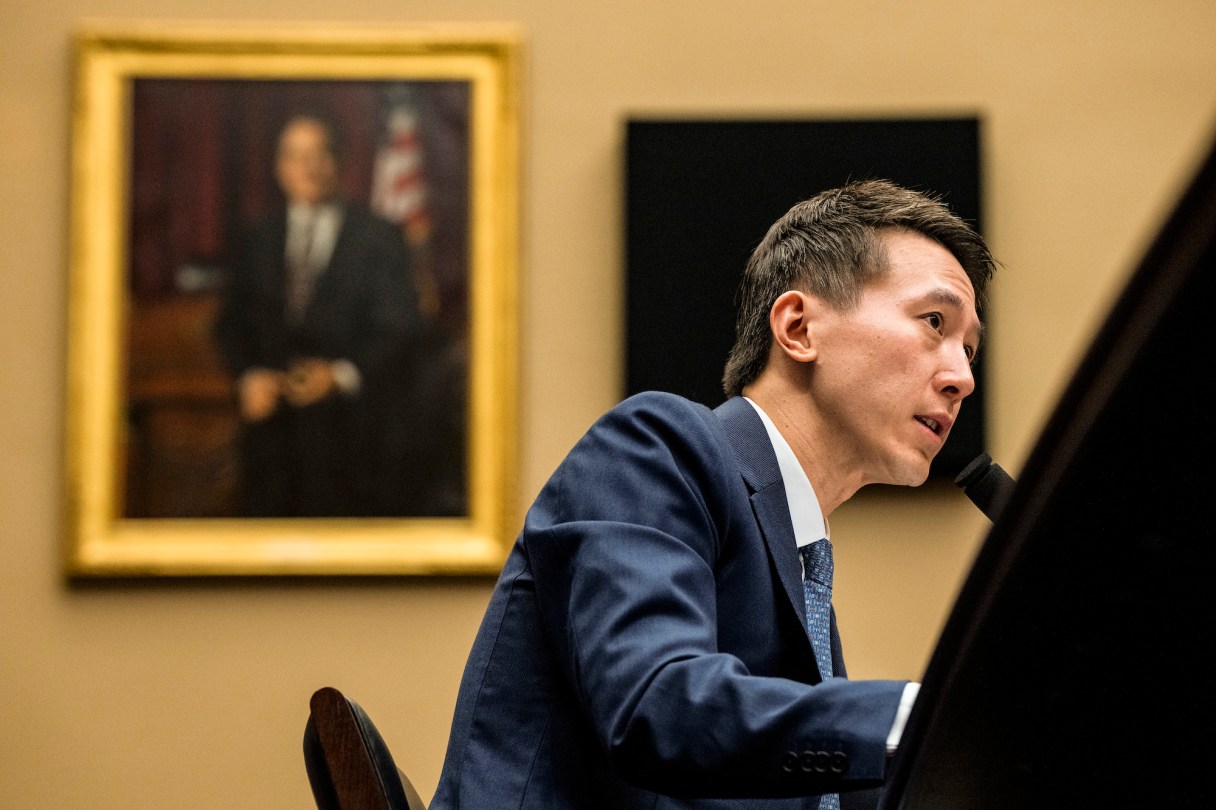
TikTok Chief Executive Shou Zi Chew did not have a successful appearance before the House Energy and Commerce Committee on Thursday.
He did not assuage skeptical members of Congress that his enormously popular social media platform can isolate itself from Chinese government interference. Nor did he convince them that TikTok has done enough to address misinformation, protect children from harmful material or remove content that violates its code of conduct. It didn’t help his cause when Republican Rep. Kat Cammack of Florida played a video showing an animated handgun firing in a post threatening the committee and its chairwoman. The video had been on TikTok for 41 days and was removed during the hearing.
Chew’s company was lambasted for more than five hours, a show of rare bipartisan consensus that something needs to be done about TikTok, but exactly what Congress or the Biden administration can or should do remains unclear.
It also became apparent that while TikTok is currently the target of federal inquiry, primarily because of growing anxiety with China’s power and influence, the concerns over user privacy, misinformation and impacts to children are not unique to TikTok.
Harmful practices are baked into the business models of social media platforms, including Instagram, Snapchat, Facebook and YouTube. An increasing number of state legislatures and lawsuits are attempting to force companies to take more responsibility for building safer products. Congress too should be wielding its regulatory authority more broadly to protect consumers, not just TikTok users.