
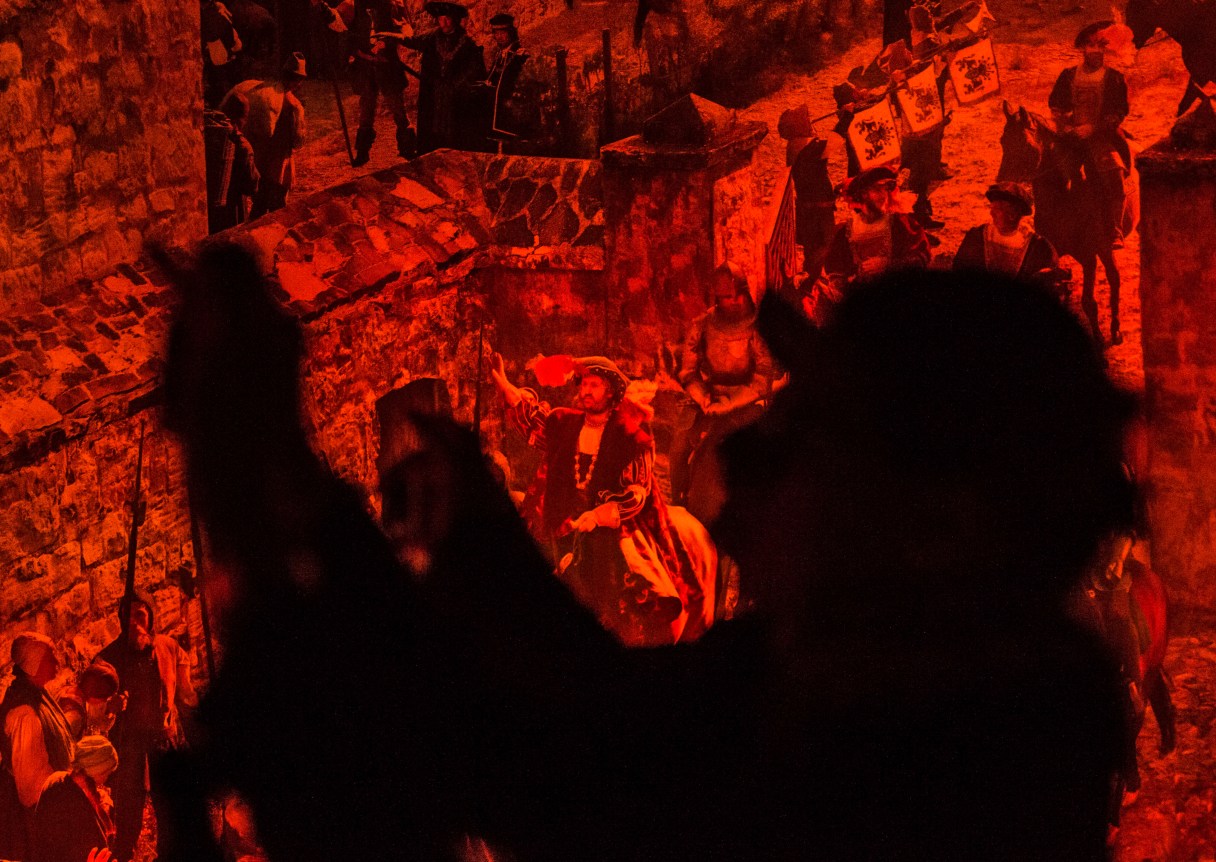
The most dramatic moment of the Protestant Reformation occurred in April of 1521. Three and a half years earlier, Martin Luther had posted his 95 Theses attacking the abusive sale of indulgences — which promised the pardon of sin through payment — and other evidence of corruption in the Western Church of the time. When printed, Luther’s theses became a runaway best-seller, igniting enormous opposition to the indulgence market, to the Pope and to the hierarchy of the Church.
Given the chance to recant his views in 1521, Luther refused and was excommunicated. This only drove Luther to further develop his theology, which was based on the idea of justification by faith alone, and to call more loudly for the nobles and people of Germany to oppose corruption in the Church.
Charles V, the newly elected Holy Roman Emperor and a devout though reform-minded Catholic, thus faced a religious crisis. He did not believe that a kingdom divided by religion could survive. Also, he faced increasing pressure from the papacy to deal with Luther. So he summoned Luther to appear before the imperial parliament in the city of Worms, granting him a promise of safe conduct.
Luther knew that ignoring an imperial summons was not an option, but he also knew what happened to the Bohemian reformer Jan Hus when he had been granted safe conduct by the emperor to a church council in Constance: The council ignored the safe conduct, claiming that they were not obligated to keep their word to a heretic, and then burned Hus alive. Luther shared many of Hus’ ideas.
Still, Luther went to Worms expecting a chance to present and defend his views. However, when he arrived, he was told there would be no discussion nor debate, only the opportunity to recant.