
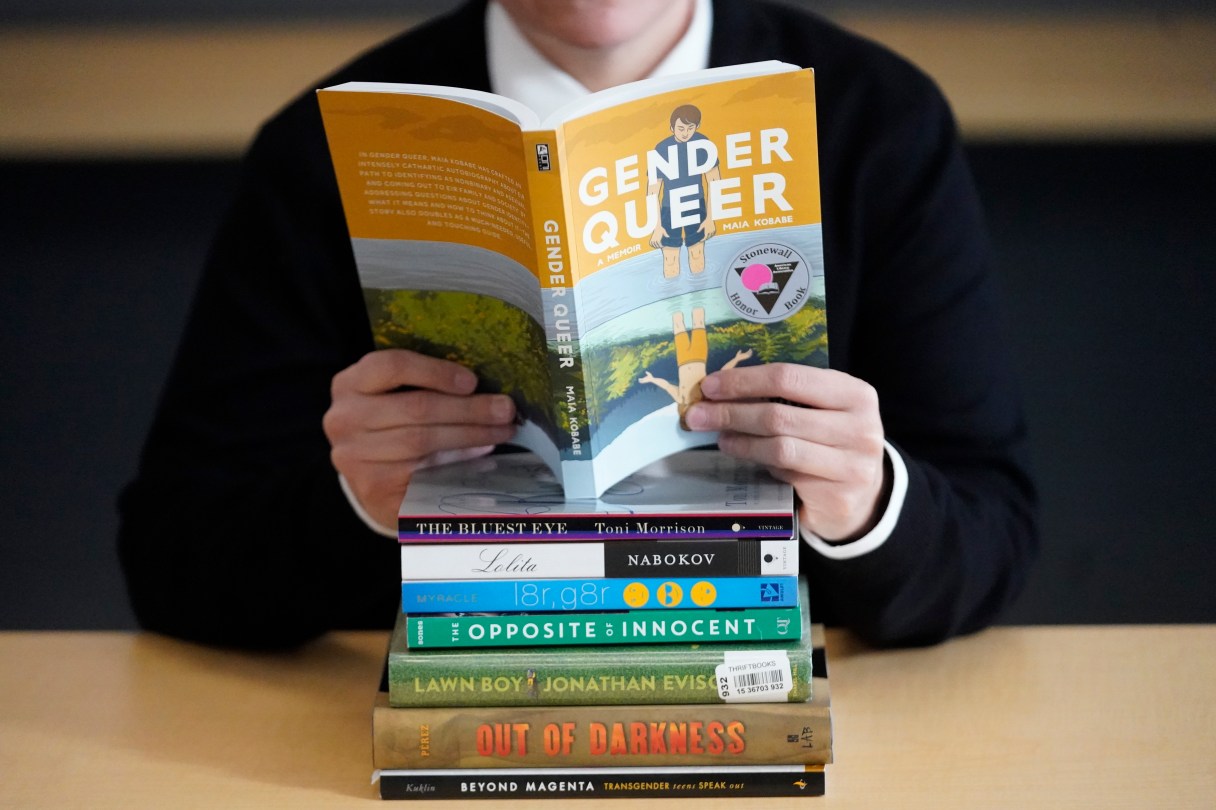
When librarians at local public libraries decide which books to keep and which to exclude, they often violate the public trust by doing so based on ideology. To avoid potential legal liability, these public officials should avoid viewpoint discrimination and suppress their personal biases. Instead, they should select materials that represent the full range of local viewpoints and interests.
School libraries are entirely different. A school library is integral to the curriculum. Therefore, the school and school district must ensure that library materials are consistent with the curriculum and available only to children of appropriate ages. In the case of public schools, this oversight duty extends to city and state governments.
First, what’s not happening: No jurisdiction is actually banning books. Even if a child can no longer get a book in his elementary school, it is often available at the high school or local library, or his parents can order it.
What is happening is that jurisdictions are acknowledging that some books in their school libraries and classrooms are not age-appropriate. The school librarian either made an honest mistake or made an activist decision. Either way, the book must be handled.
The issues are: Which books? Which ages? Who decides? What process will meet the standards of the First Amendment?
Truly obscene books have no place in a school library. To determine whether a book is obscene, sexual content must be examined in context. This standard is usually too strict to take a book off the shelves.
But obscenity is an insufficient standard. The right standard uses the legitimate concept of age-inappropriate materials within a school environment.
To be clear: The library and the classroom are part of the educational program, not what a First Amendment attorney would call a “public forum” like a public park or the school cafeteria.
In the “nonpublic forum” that is a school library, the government can and should engage in content review — content discrimination — much like it determines the content of the curriculum.
Since courts will generally defer to the educational judgment of the school and other local adults, curation decisions based on educational content and viewpoint are likely to survive the courts. After all, local control makes sense because parents and teachers know best what the kids are ready to read.
Indeed, school curriculum and review committees should include parents. And of course, parents must be allowed to opt their children in or out of reading a certain book.
Since viewpoint discrimination might not survive some courts, however, it is best to keep any process focused on content. A court is likely to defer if a review committee merely distinguishes, educationally, what is appropriate for different age and grade levels.
For its part, the state can issue process guidelines and direct districts to review their materials. Schools and districts should proactively review access to the kinds of books that most often are age-inappropriate.
Reviewing books is easier than it might seem. Most books are fine. It’s almost always a book in a narrow range of content — the Library of Congress classification HQ, treating sex and family topics — that is mistakenly made available to unready kids.
So, the review should focus first on giving each HQ book a minimum grade-level rating. Then, publish each decision and the reasoning.
Following this guidance to assert educational authority can protect children from age-inappropriate books while staying on the good side of the First Amendment.
Adam Kissel is a visiting fellow in the Center for Education Policy at The Heritage Foundation.
Tribune Content Agency