
What role do each of us play in cultivating a diverse workforce?
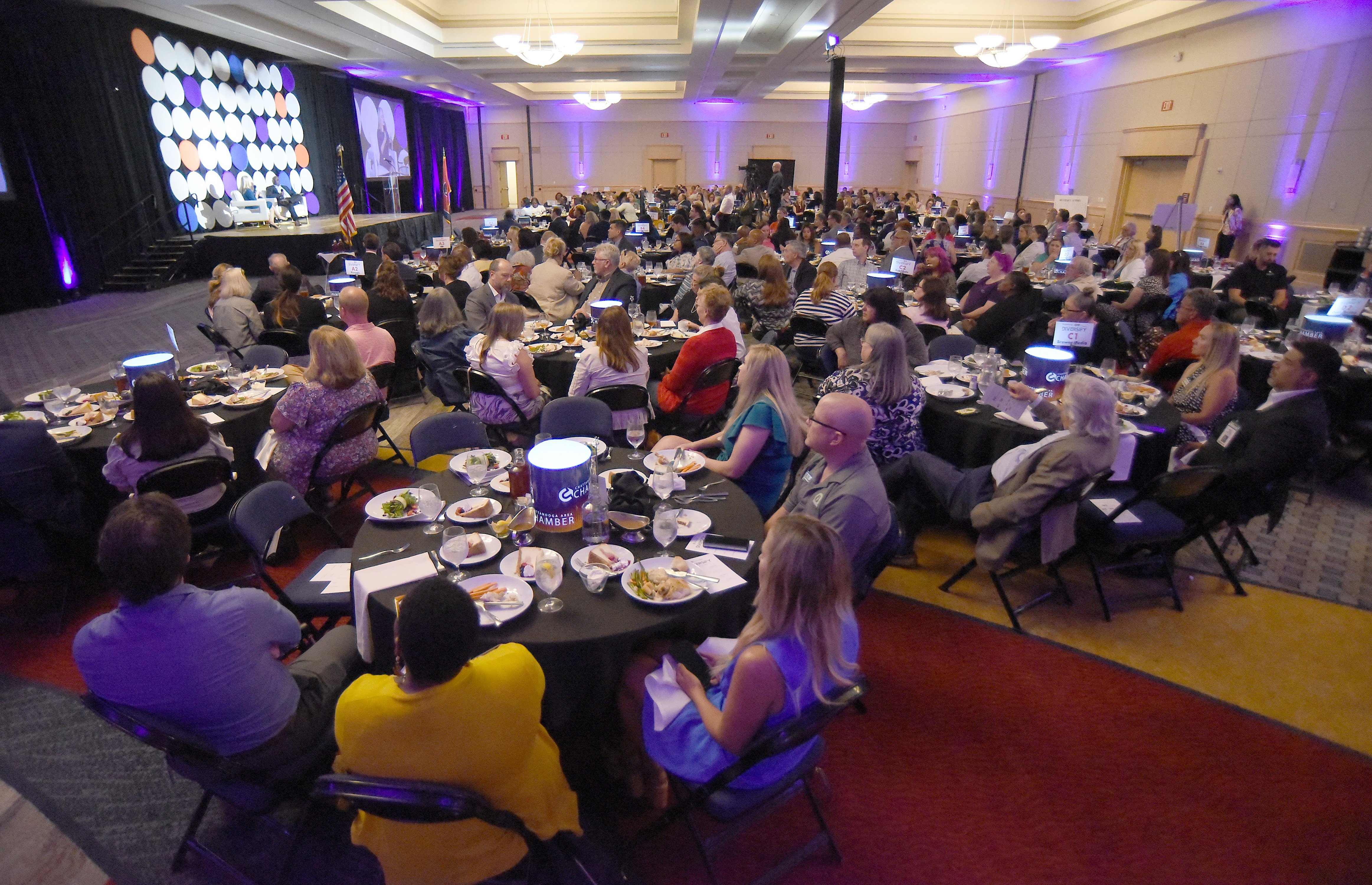
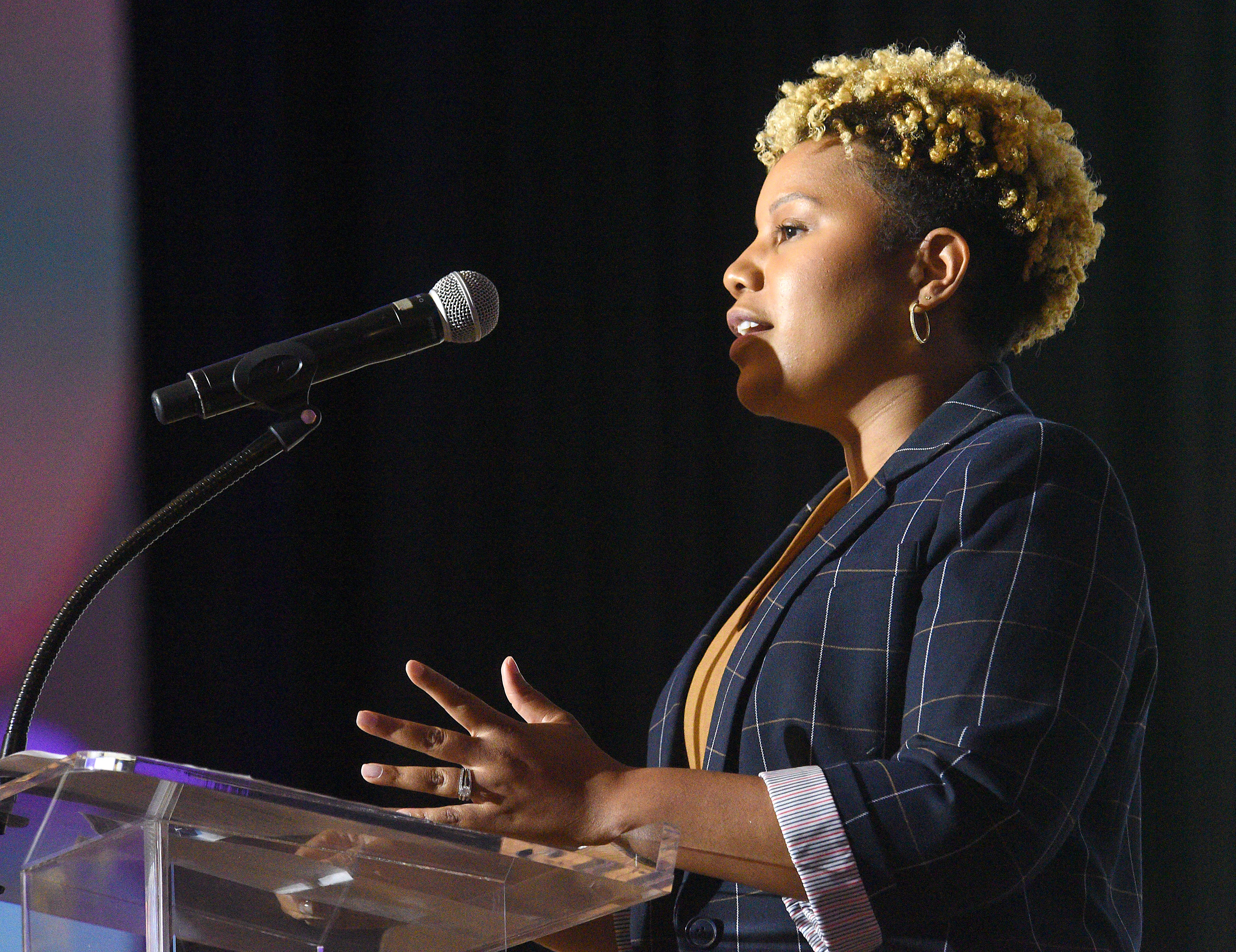
This was one of many questions raised at the 2023 Diversify Summit, hosted by BlueCross BlueShield of Tennessee and the Chattanooga Area Chamber of Commerce — back for the first time after being waylaid by the pandemic for the past three years. Jennifer Stanley, a partner with McKinsey & Company global management firm, was the keynote speaker, presenting data from the company’s recently published 2022 Environmental Social Governance report.
“Women and men have almost reached parity in terms of entering the workforce, so it’s half and half women and men coming into entry level positions,” Stanley said. “It’s at the next step, or the broken rung, that women tend to drop off more significantly than anywhere else in the corporate ladder.
“So even, for example, if we’re seeing women making gains from the senior management into C-suite positions, we still can’t catch up if we don’t resolve problems around that first promotion,” she said.
(READ MORE: Chattanooga Area Chamber of Commerce honors small businesses, nonprofit groups)
A big part of the solution, she said, lies in figuring out how to better support those striving for first management positions. One way to do that is for managers and companies to train on recognizing unconscious bias — deeply ingrained prejudices people may hold without being consciously aware of them.
“But if you ask me what’s the single best and biggest solution … that doesn’t have to do with policy, it would be sponsorship,” she said. That act alone “solves a lot more problems than any normal program actually could.”
Sponsorship, she pointed out, is different than mentorship. Mentorship is more passive — engaging in conversation, listening to challenges and problems, offering guidance. Sponsorship is active and intentional — creating opportunities for others to succeed and advance, drawing newcomers into challenging projects, recommending and pushing them toward promotions.
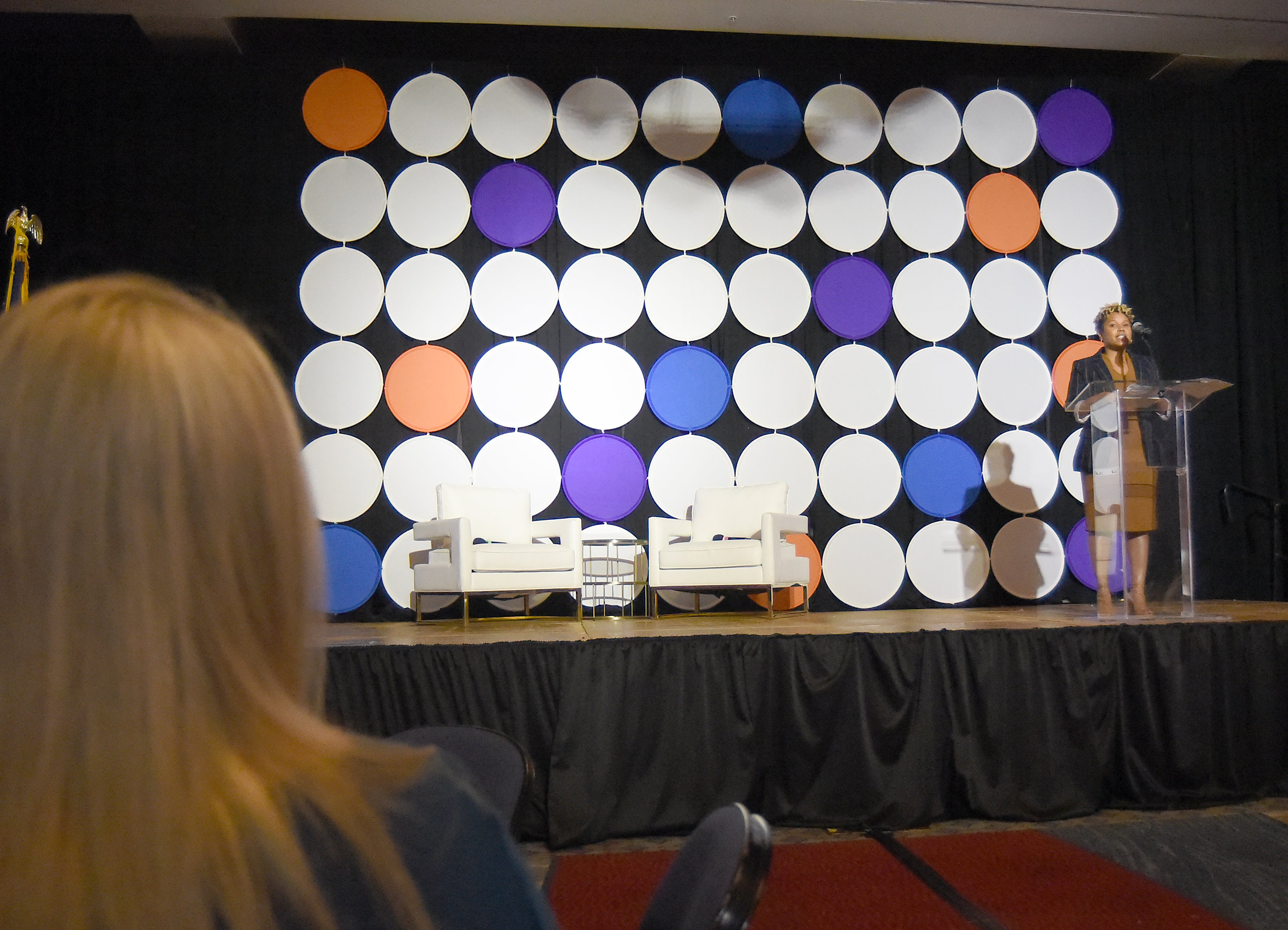
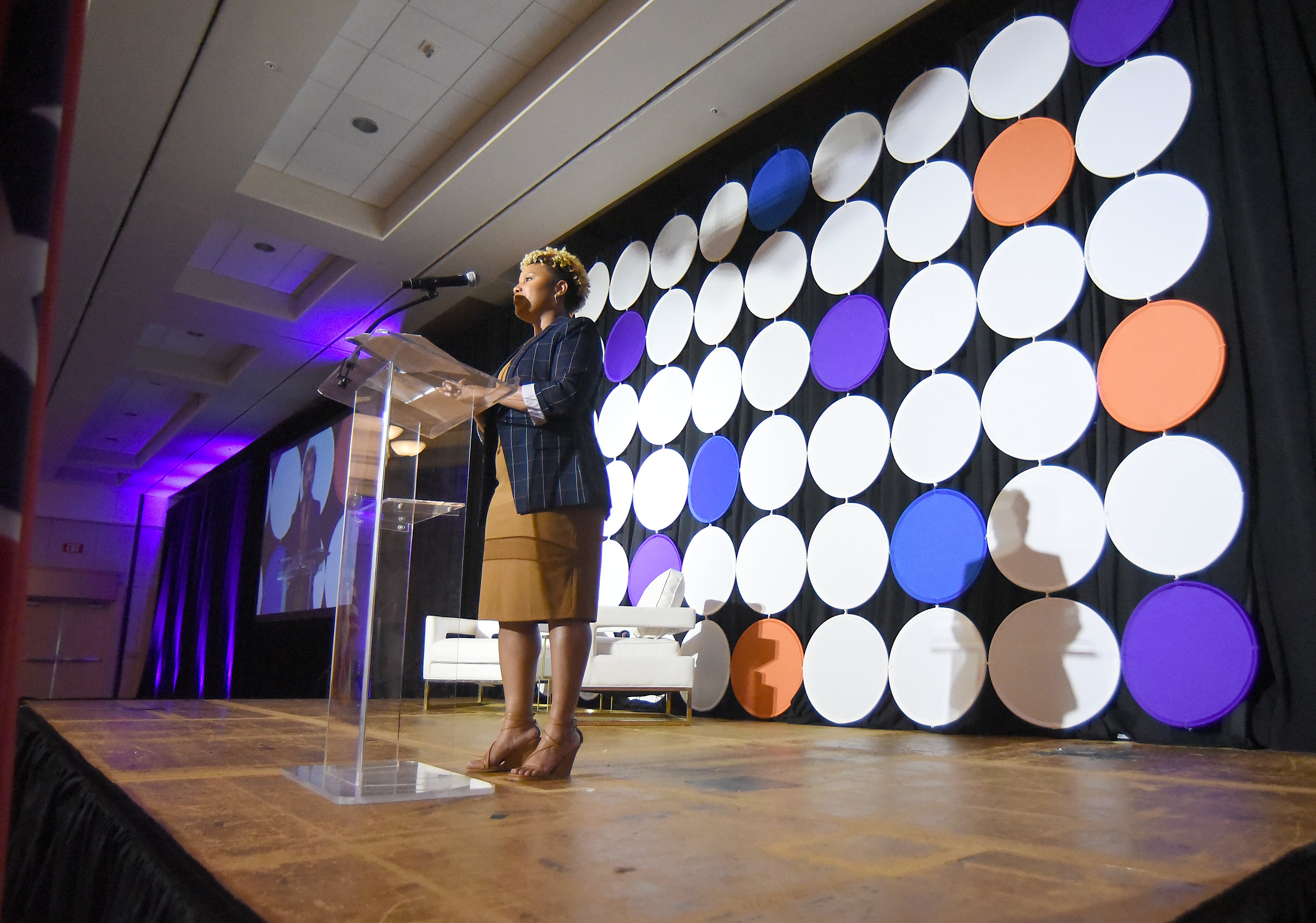
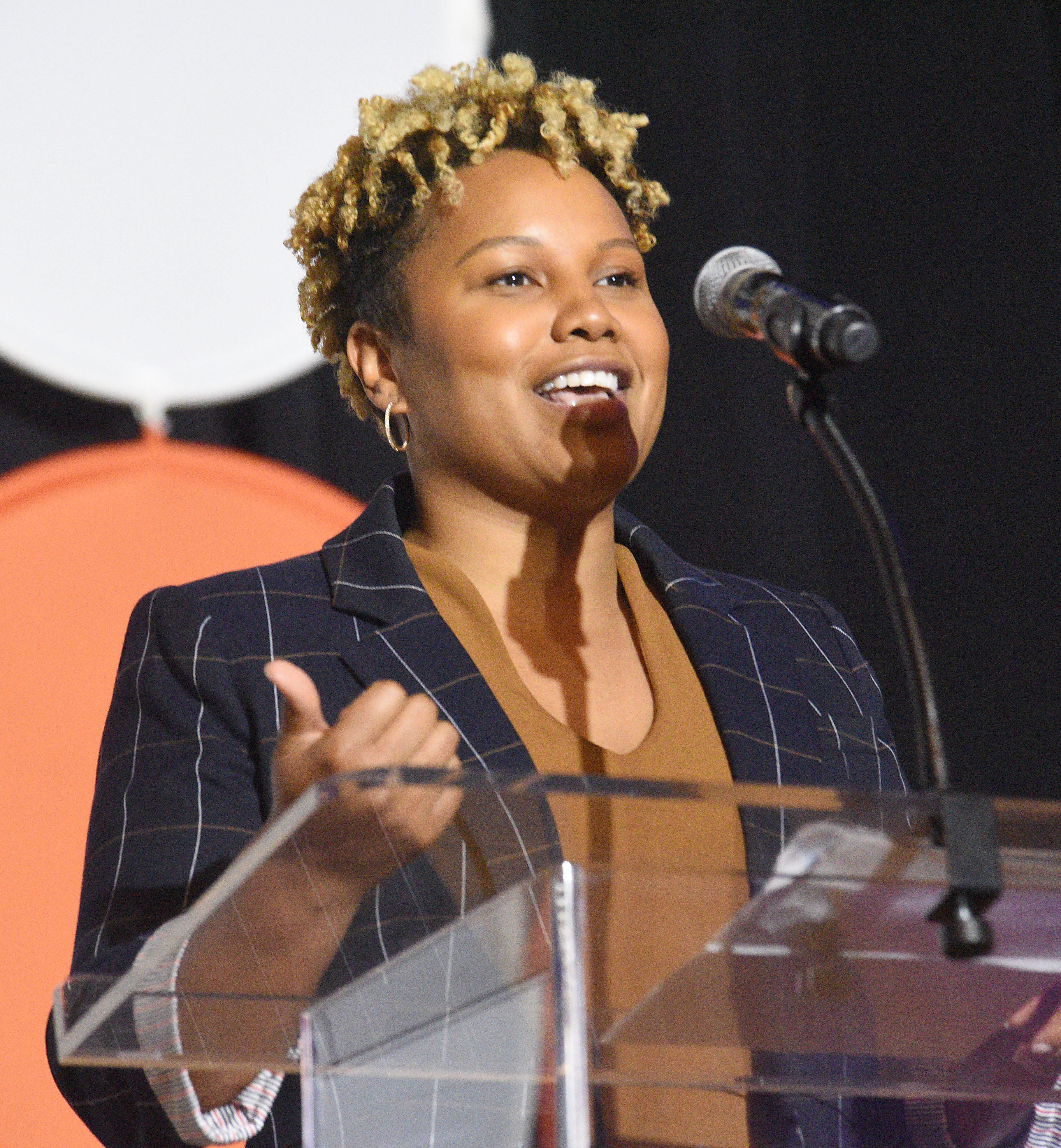
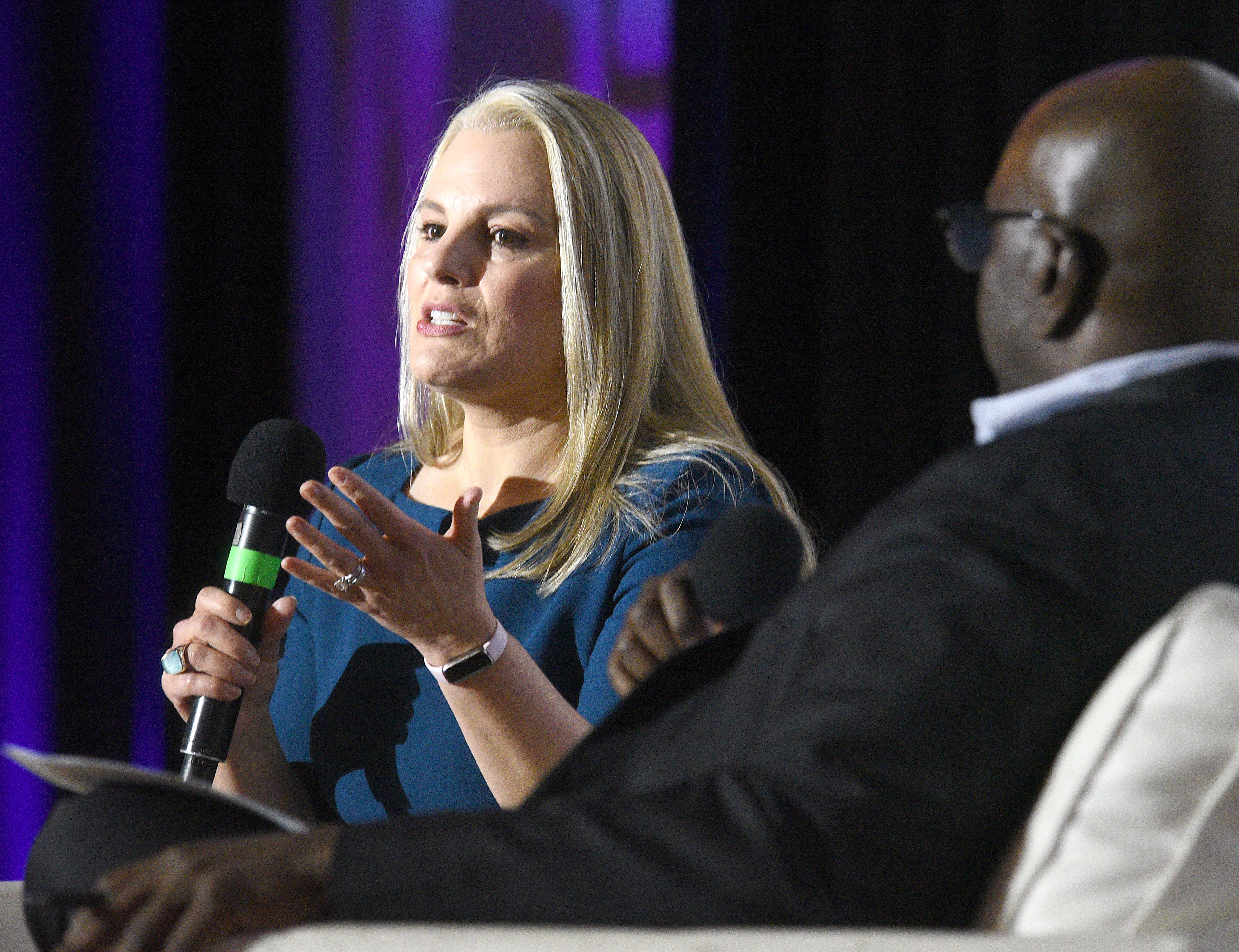
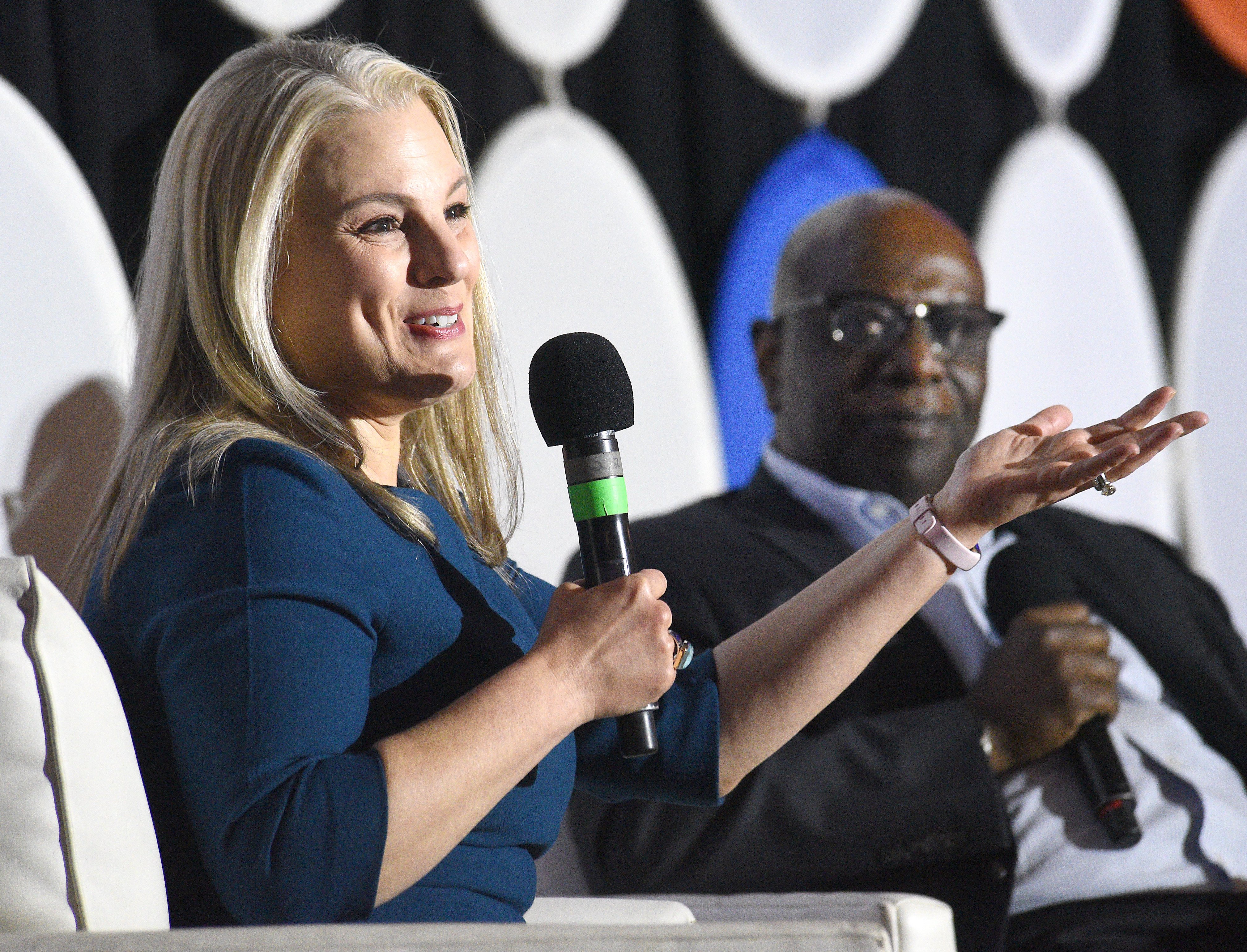
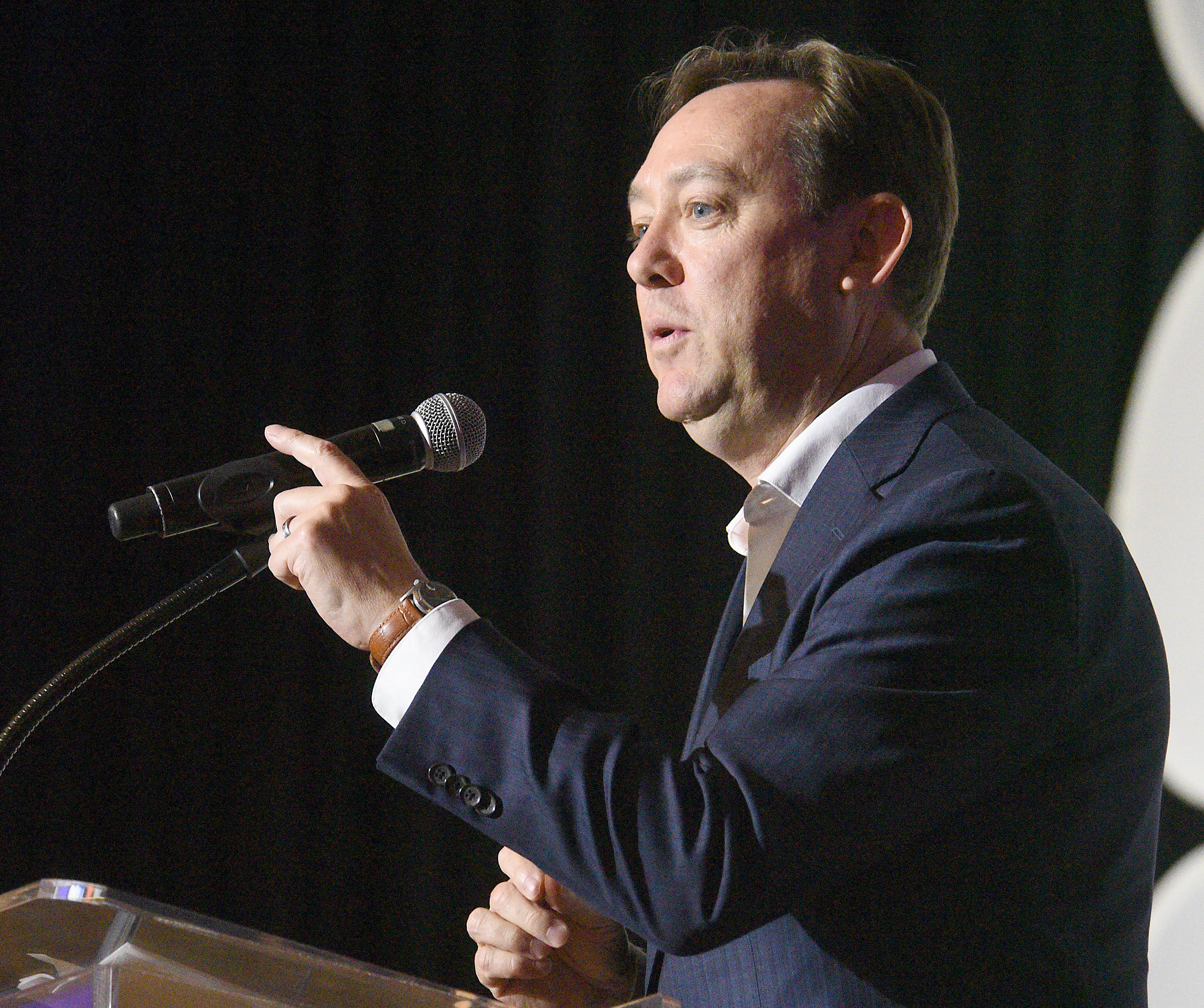
“A sponsor creates an opportunity, brings you into new projects, speaks up for you in terms of a promotion — really sets the stage for you to move to that next part of your career,” she said. “And then if you don’t want to walk through the door, they shove you through and help you on the other side of the red line. That’s a sponsor.”
(READ MORE: New index measures Chattanooga’s workplace diversity)
Increasingly, Stanley said, there is a trend toward organizations demanding more executive compensation be tied to actual outcomes around diversity, equity and inclusion. The ability to successfully manage balanced and inclusive teams is being seen as a condition for advancement into senior leadership.
“If you’re getting a bonus for having met or exceeded certain goals on DEI, chances are you have also met or exceeded your financial objectives,” Stanley said. “We absolutely know that gender-diverse and ethnically diverse organizations will by far — by something like 36% — out-perform … groups that are not ethnically or gender diverse.”
Stanley also said diversity, equity and inclusion are about more than gender and race. Employees can also feel lonely or excluded based on invisible attributes like economic background, social background, life experiences or sexual orientation.
But the data shows that making the effort to grapple with inclusivity issues is shown to pay off. Results from the study reveal that organizations that prioritize diverse and inclusive cultures tend to see better employee retention, satisfaction and engagement.
“When employees feel they belong within the organization, that creates a sense of freedom,” she said. “And when employees have a sense of freedom, they’re more likely to try new things, to be innovative and bring their best selves to the workplace.”
Contact Jennifer McNally at jmcnally@timesfreepress.com.