
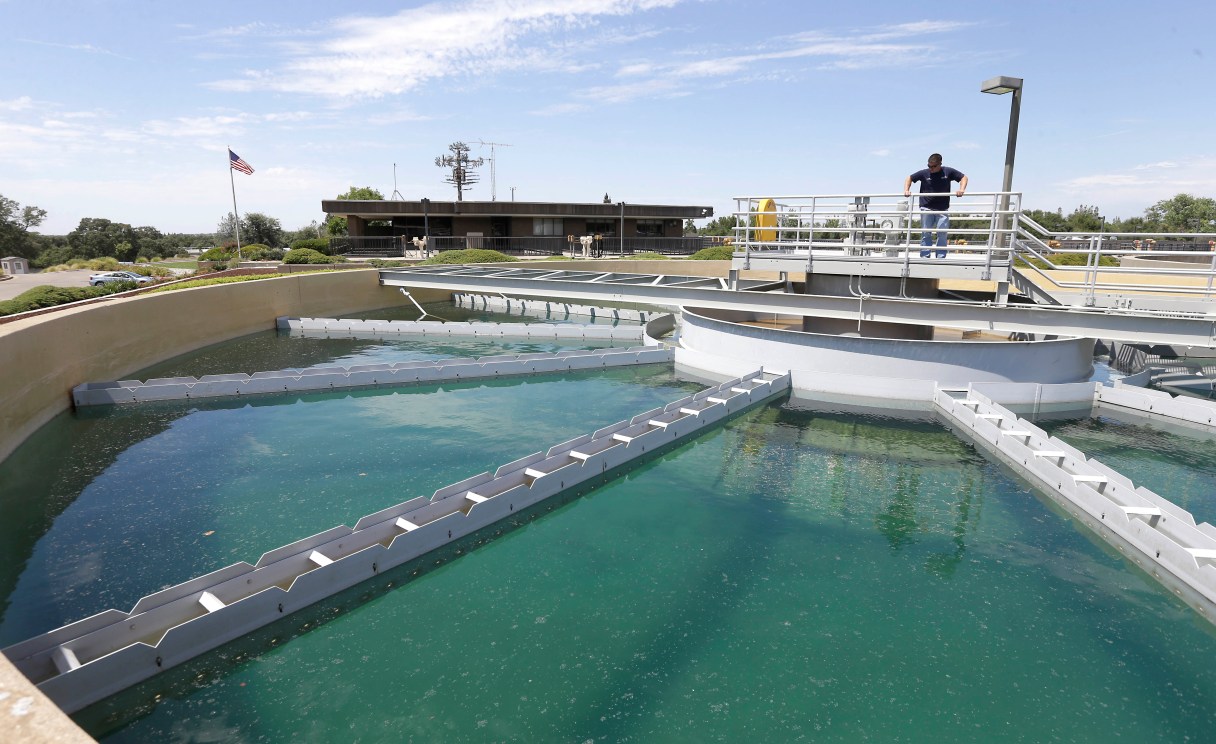
NASHVILLE — Tennessee environmental officials say they’ve taken steps to utilize millions of dollars of unspent funds from a federal aid program for improving the nation’s drinking water systems.
A review by The Associated Press shows project delays, poor management by some states and structural problems have contributed to nearly $1.1 billion in congressional appropriations sitting unspent in Drinking Water State Revolving Fund accounts as of Aug. 1.
The backlog is smaller than it once was, but federal data show that many states are not on track to meet a goal set by the U.S. Environmental Protection Agency, which wants any money dating back to 2013 to be spent by next year.
Tennessee received $194.2 million in federal funding as of fiscal 2015 from the federal fund, according to the AP review. Of that total, $30.4 million remained unspent.
However, Tennessee Department of Environment and Conservation spokesman Eric Ward said after several discussions with EPA personnel, TDEC has implemented a new “spending strategy” that he says has resulted in “significant improvements in the pace of spending.”
“Although we have more work to accomplish, we are continuing to improve our position with this … strategy and anticipate additional significant reductions to unliquidated obligations in the coming year,” Ward said.
TDEC officials didn’t specify how the money will be spent. The state’s top-ranked project this year is a $684,000 plan to replace leaking water lines in Gainesboro, according to the AP review.
Other states, such as California and Texas, have also overhauled their programs to better move projects to completion and spend their appropriations faster.
The amount of unspent money has been cut in half nationally in the last four years after reaching $2.2 billion in 2011. Still, it remains an EPA concern.
Peter Grevatt, director of the EPA’s office of groundwater and drinking water, said states have made “a very significant improvement” in reducing their unspent money and would continue making strides. He said the goal is to spend all money that comes in within two years – faster than federal regulations require.