
Monday, November 9, 2026Nov 9

Panel to vote on early release for drug felons

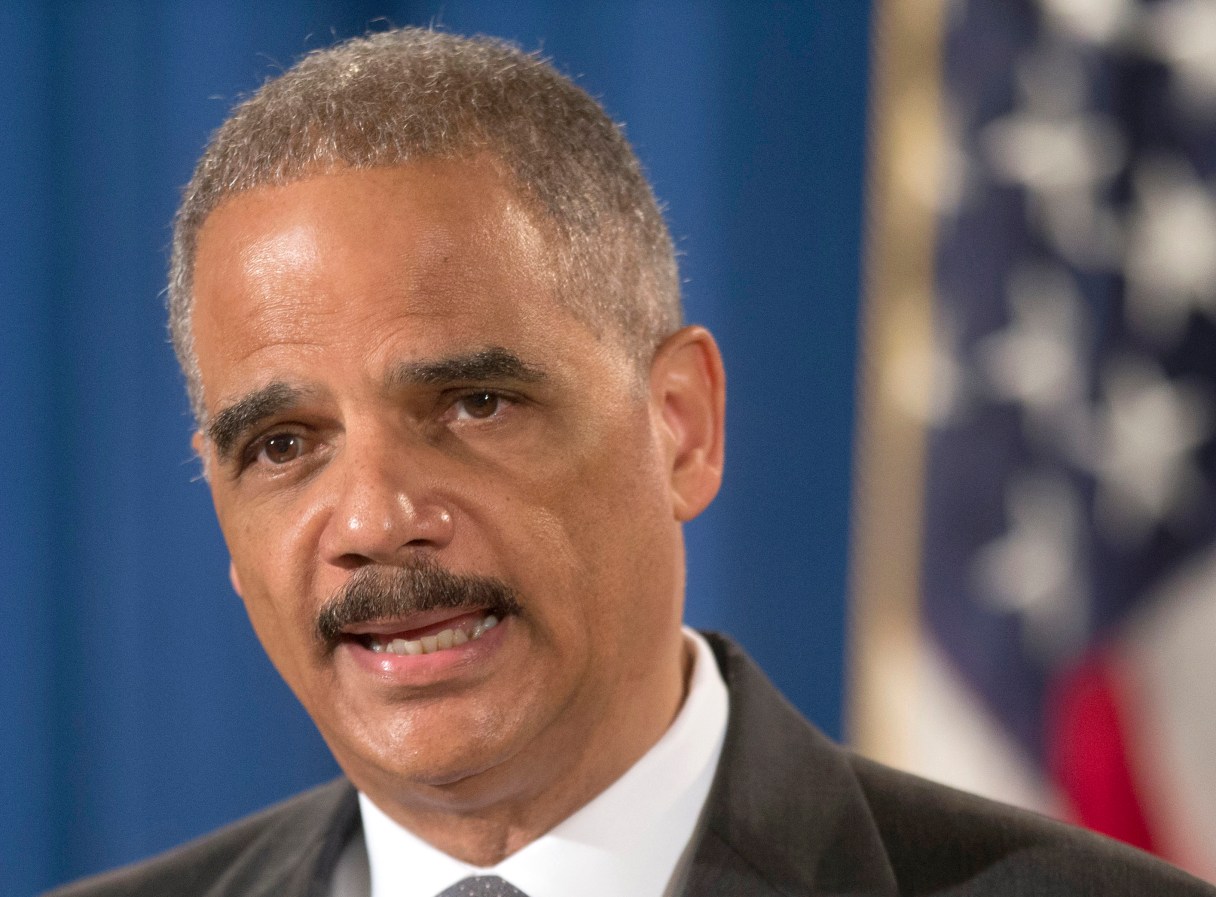
FILE - This July 14, 2014 file photo shows Attorney General Eric Holder speaking at the Justice Department in Washington. Tens of thousands of federal inmates serving time for drug crimes would be eligible for early release under a proposal being considered Friday that would dramatically reduce the nation's prison population over time. The change is part of a broader rethinking of criminal justice policy that the Justice Department, under Holder, has embraced. (AP Photo/Pablo Martinez Monsivais, File)
FILE - This July 14, 2014 file photo shows Attorney General Eric Holder speaking at the Justice Department in Washington. Tens of thousands of federal inmates serving time for drug crimes would be eligible for early release under a proposal being considered Friday that would dramatically reduce the nation's prison population over time. The change is part of a broader rethinking of criminal justice policy that the Justice Department, under Holder, has embraced. (AP Photo/Pablo Martinez Monsivais, File) FILE - This July 14, 2014 file photo shows Attorney General Eric Holder speaking at the Justice Department in Washington. Tens of thousands of federal inmates serving time for drug crimes would be eligible for early release under a proposal being considered Friday that would dramatically reduce the nation's prison population over time. The change is part of a broader rethinking of criminal justice policy that the Justice Department, under Holder, has embraced. (AP Photo/Pablo Martinez Monsivais, File)

WASHINGTON (AP) – Tens of thousands of federal inmates serving time for drug crimes would be eligible for early release under a proposal being considered Friday that would dramatically reduce the nation’s prison population over time.

The U.S. Sentencing Commission, which earlier this year voted to substantially lower recommended sentences for drug-dealing felons, was to vote on whether to retroactively apply that change to prisoners now behind bars.

More than 46,000 inmates would be affected if the commission decides to make the proposal retroactive. The commission, an independent panel that sets sentencing policy, has said sentences would be cut by an average of 25 months. No prisoner would be freed until November 2015, and the releases would be phased in over a period of years, said U.S. District Judge Patti Saris, the commission chairwoman.

“The magnitude of the change, both collectively and for individual offenders, is significant,” Saris said before the vote.

Advocates of the early-release plan say it would cut prison costs – nearly one-half of the federal prison population is locked up for drug crimes – and scale back some of the harsh sentences imposed during the country’s war on drugs.