
The phrase “Climate change denier” has wormed its way into the modern lexicon to shame those who have a different view of the science supporting, or not, the idea that the world is in danger of burning up in weeks, months, or years (they can’t seem to decide on the timing).
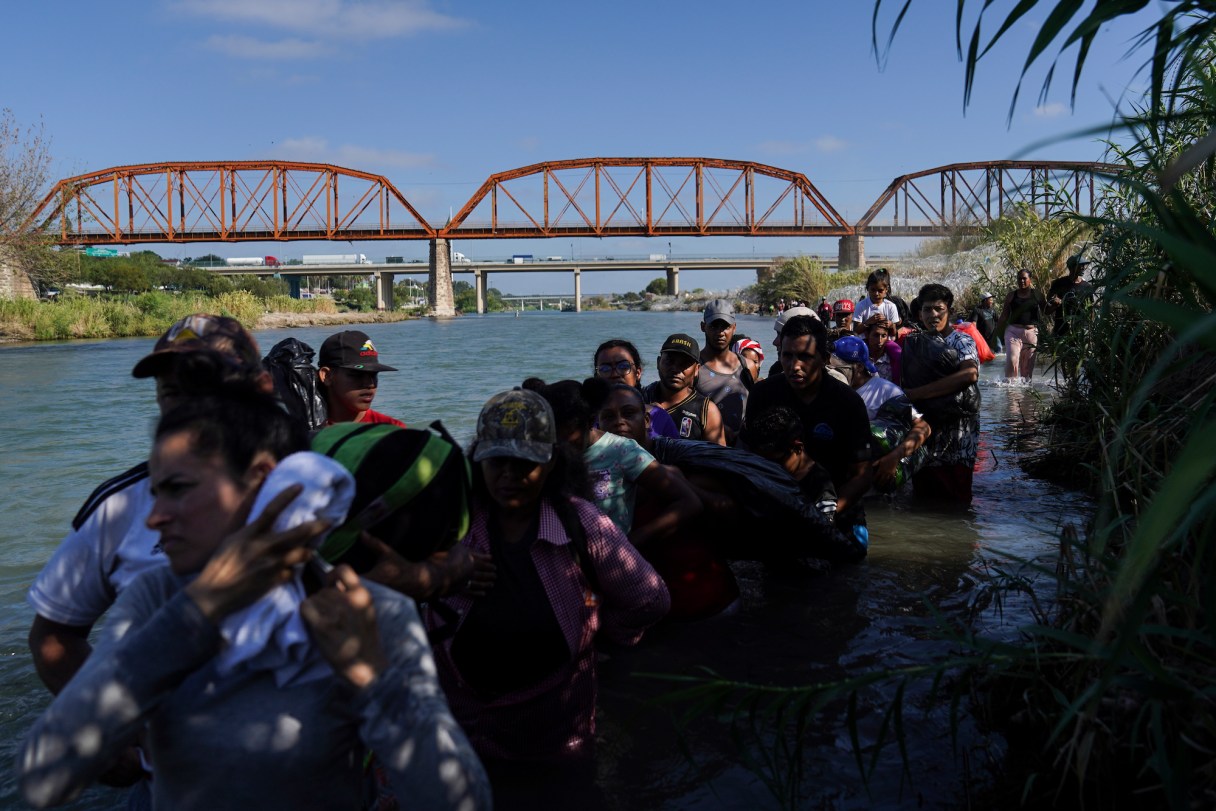
There is another form of denial that one can clearly see. It is a denial that the Southern border is “secure.” With pictures showing — and border patrol agents confirming — that tens of thousands of migrants are crossing into the U.S. every day without authorization, it is a lie to say the border is secure.
Sometimes it takes a person from outside the country to wake us up to threats we face. Russian writer Alexandr Solzhenitsyn did that in a 1978 Harvard commencement speech, in which he warned that the West suffered from “a decline in courage.” The left hated the speech, but he was right in his indictment.
Last week, UK Home Secretary Suella Braverman delivered remarks at the American Enterprise Institute in Washington. She warned of the dangers of uncontrolled immigration without assimilation that now threatens America, Britain and other prosperous nations. She called it “an existential challenge for the political and cultural institutions of the West.”
Braverman noted the majority of migrants are motivated by economic incentives, not persecution in their home countries. That, she said, does not fit the international definition of “refugee.”