
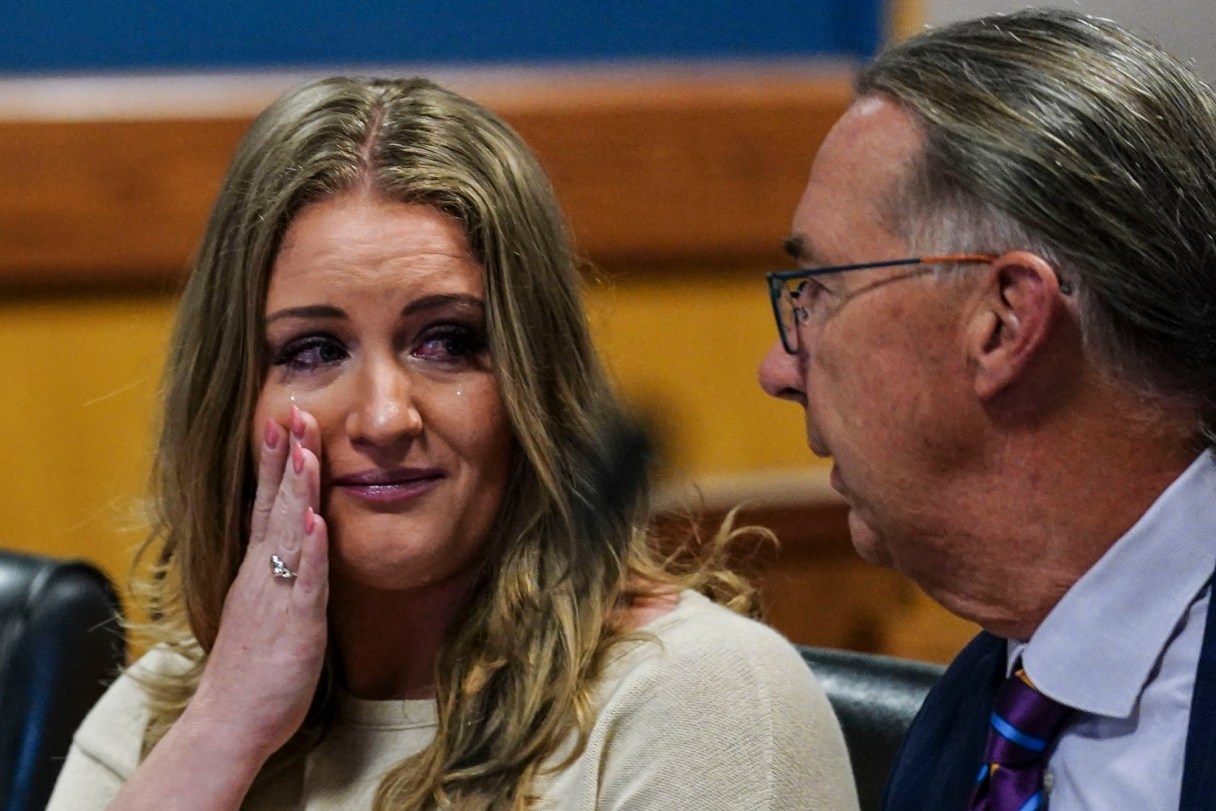
On Tuesday morning, Jenna Ellis became the third Donald Trump-allied lawyer to plead guilty in Fulton County, Georgia, to state criminal charges related to Trump’s efforts to overturn the results of the 2020 presidential election in Georgia. She joins Sidney Powell and Kenneth Chesebro in similar pleas, with each of them receiving probation and paying a small fine, and each of them cooperating with the prosecution in its remaining cases against Trump and his numerous co-defendants.
The Ellis, Powell and Chesebro guilty pleas represent an advance for both the state election prosecution in Georgia and the federal election prosecution in Washington. While their guilty pleas came in the Georgia case (they’re not charged in the federal prosecution, though Powell and Chesebro have been identified as unindicted co-conspirators in that case), the information they disclose could be highly relevant to Jack Smith, the special counsel investigating Trump.
Perhaps as important, or even more important, the three attorneys’ admissions may prove culturally and politically helpful to those of us who are attempting to break the fever of conspiracy theories that surround the 2020 election and continue to empower Trump today.
To understand the potential significance of these plea agreements, it’s necessary to understand the importance of Trump’s legal team to Trump’s criminal defense. Proof of criminal intent is indispensable to the criminal cases against Trump, both in Georgia and in the federal election case. While the specific intent varies depending on the charge, each key claim requires proof of conscious wrongdoing — such as an intent to lie or the “intent to have false votes cast.”
One potential element of Trump’s intent defense in the federal case is that he was merely following the advice of lawyers. In other words, how could he possess criminal intent when he simply did what his lawyers told him to do? He’s not the one who is expected to know election laws. They are.