
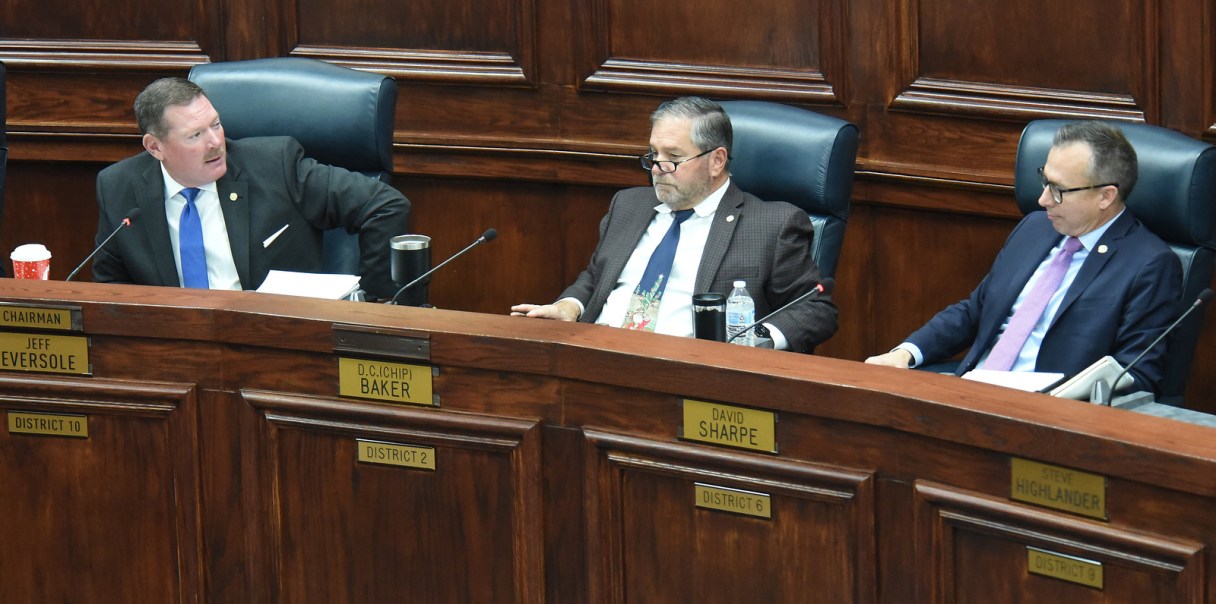
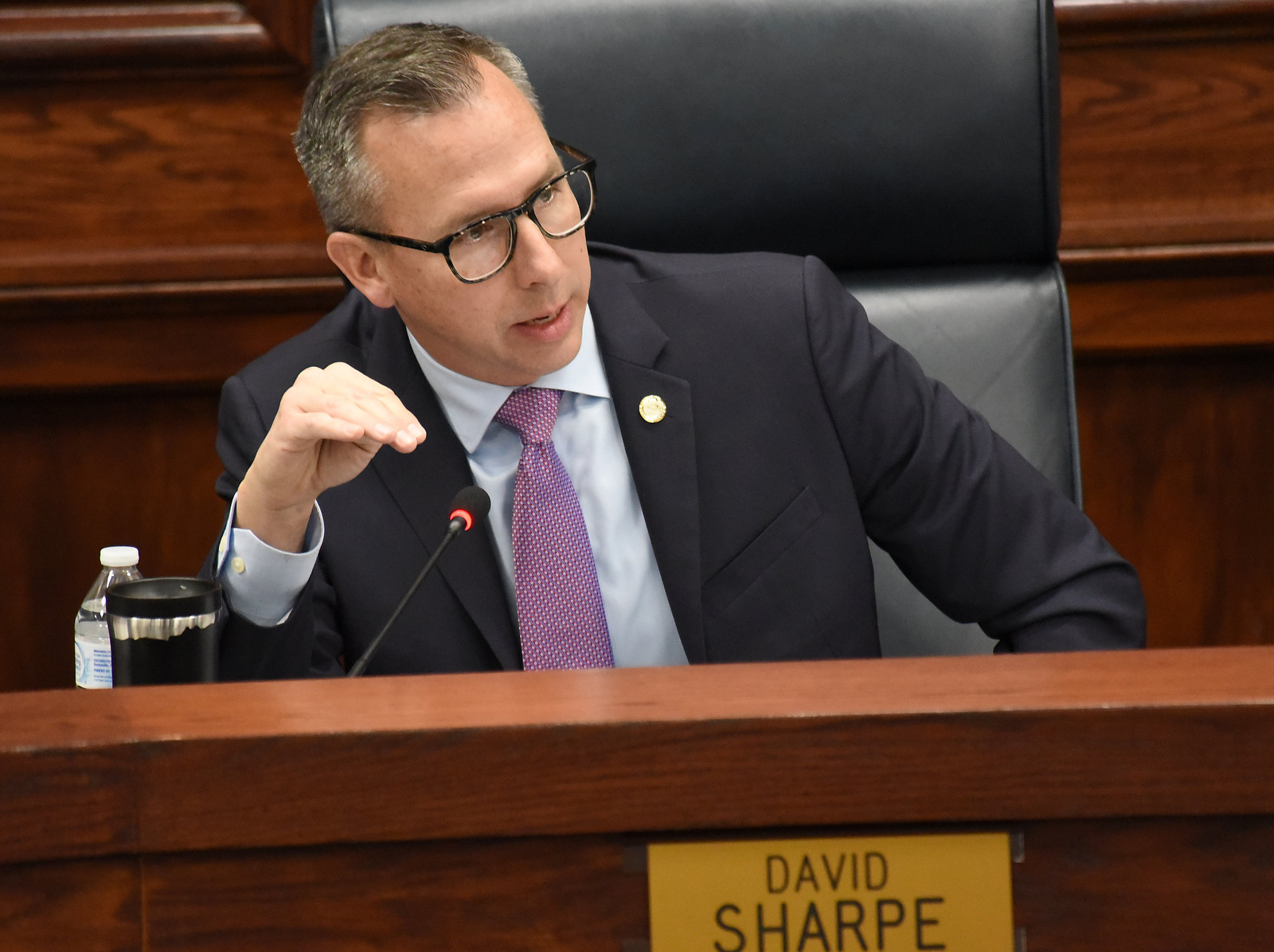
Commissioner David Sharpe, D-Red Bank, is asking his colleagues to pull $16 million from Hamilton County’s approximately $150 million rainy day fund to pay for equitable athletic facilities at each of the district’s public high schools.
The request comes as two nonprofit groups protest the county’s recent decision to reroute federal funding they received last year, which will now pay for athletics projects at Brainerd High School and The Howard School.
“I think anyone that watches how we operate here on commission understands that my two primary motivations are public education and economic development,” Sharpe told his colleagues at a meeting Wednesday. “Not just for one particular community, but for all communities in Hamilton County. And I feel as though if we want to make these economic development investments, and secondary school athletic investments in some communities, we should make those investments in all communities.”
Sharpe attempted to add the resolution to the panel’s next regular meeting on Dec. 6, but he did not receive any support. Commissioners may discuss the item Dec. 13.
“I want to caution us because as we look at investing $16 million, I have roads that need to be fixed in Ooltewah,” Commission Chair Jeff Eversole, R-Ooltewah, told commissioners. “We can’t afford as a county just to go out and spend money — like I heard one of my colleagues say up here last year — like drunken sailors.”
Photo Gallery
Hamilton County commissioner proposes using $16M in fund balance for school athletic needs
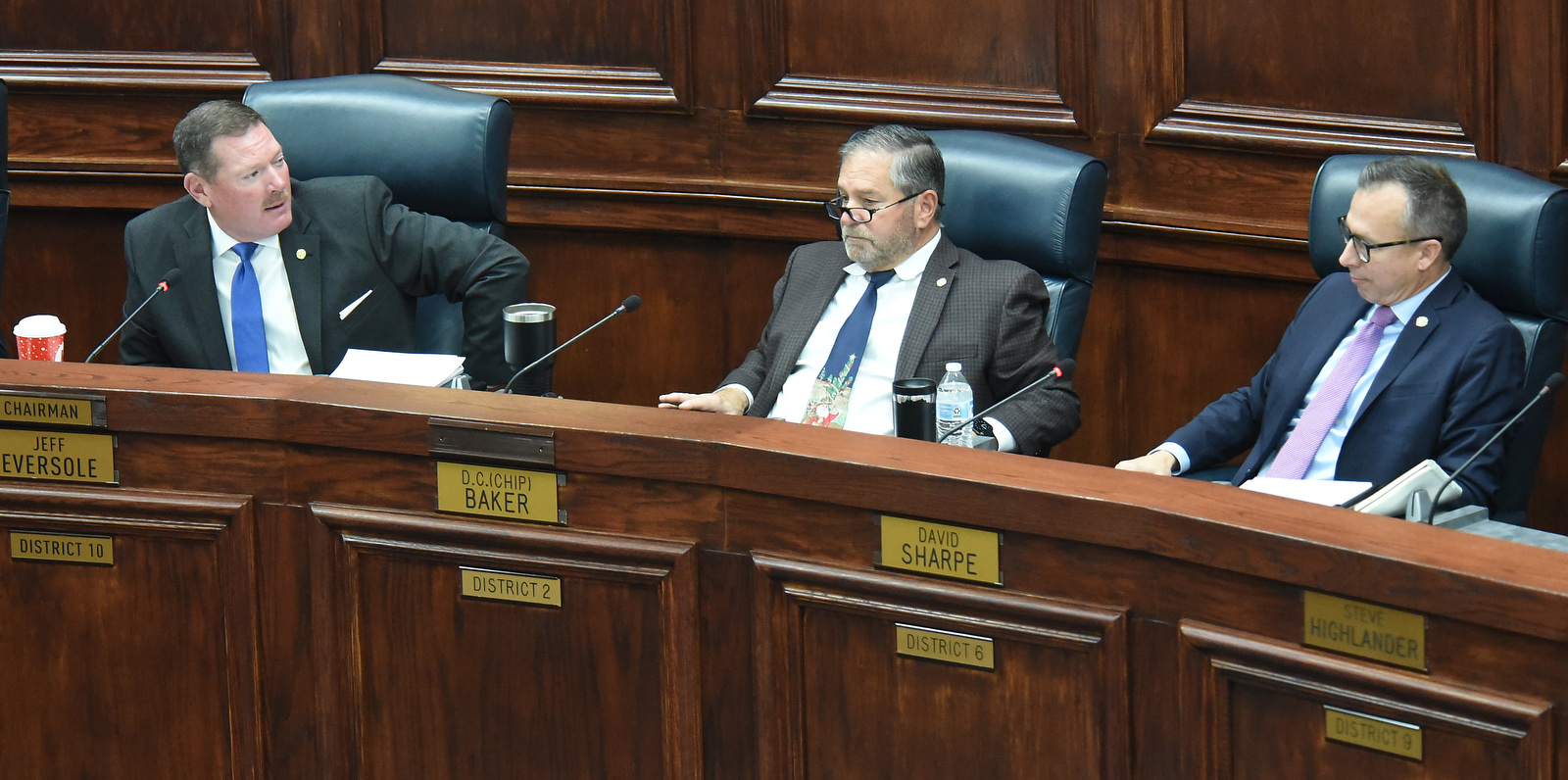
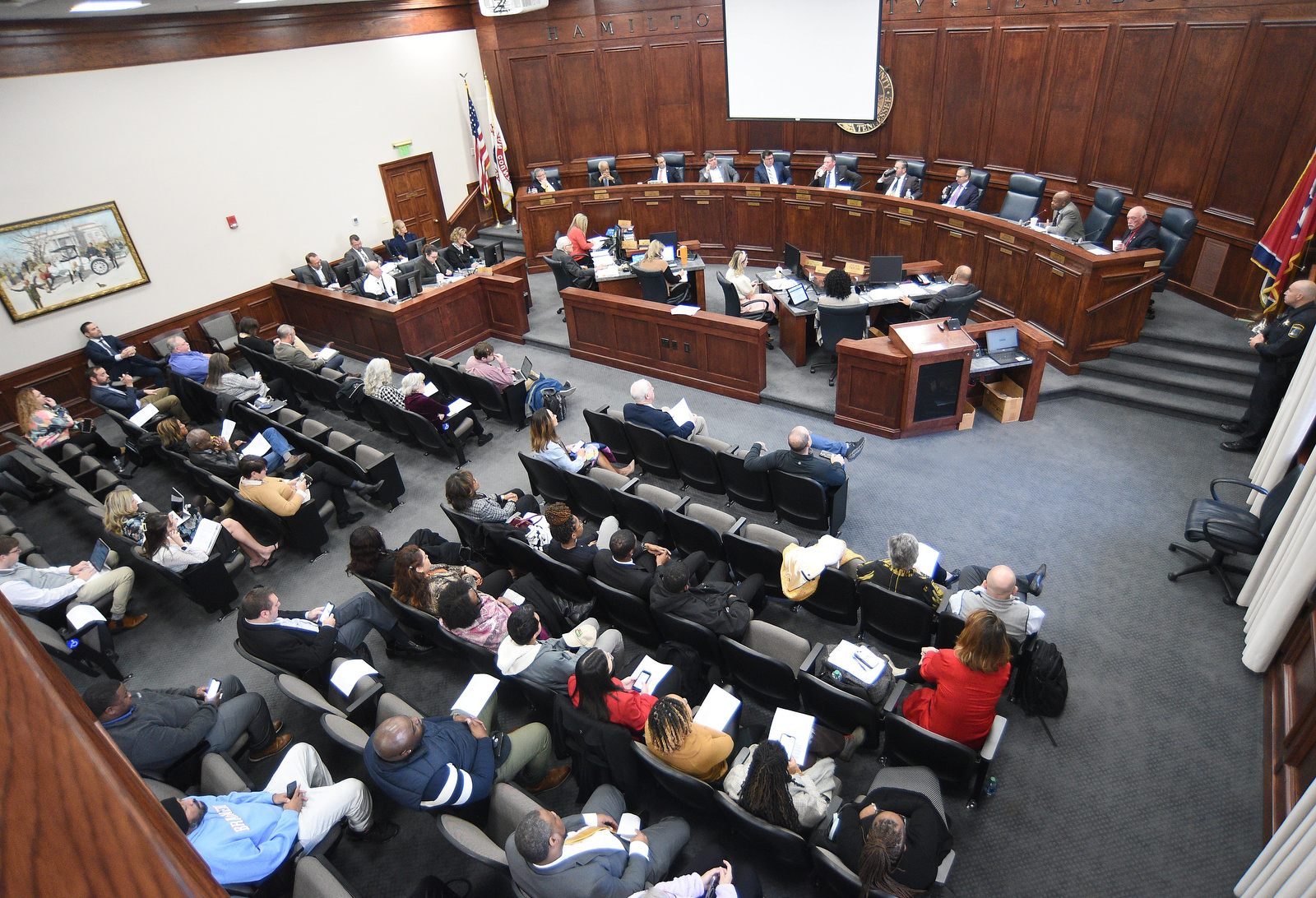
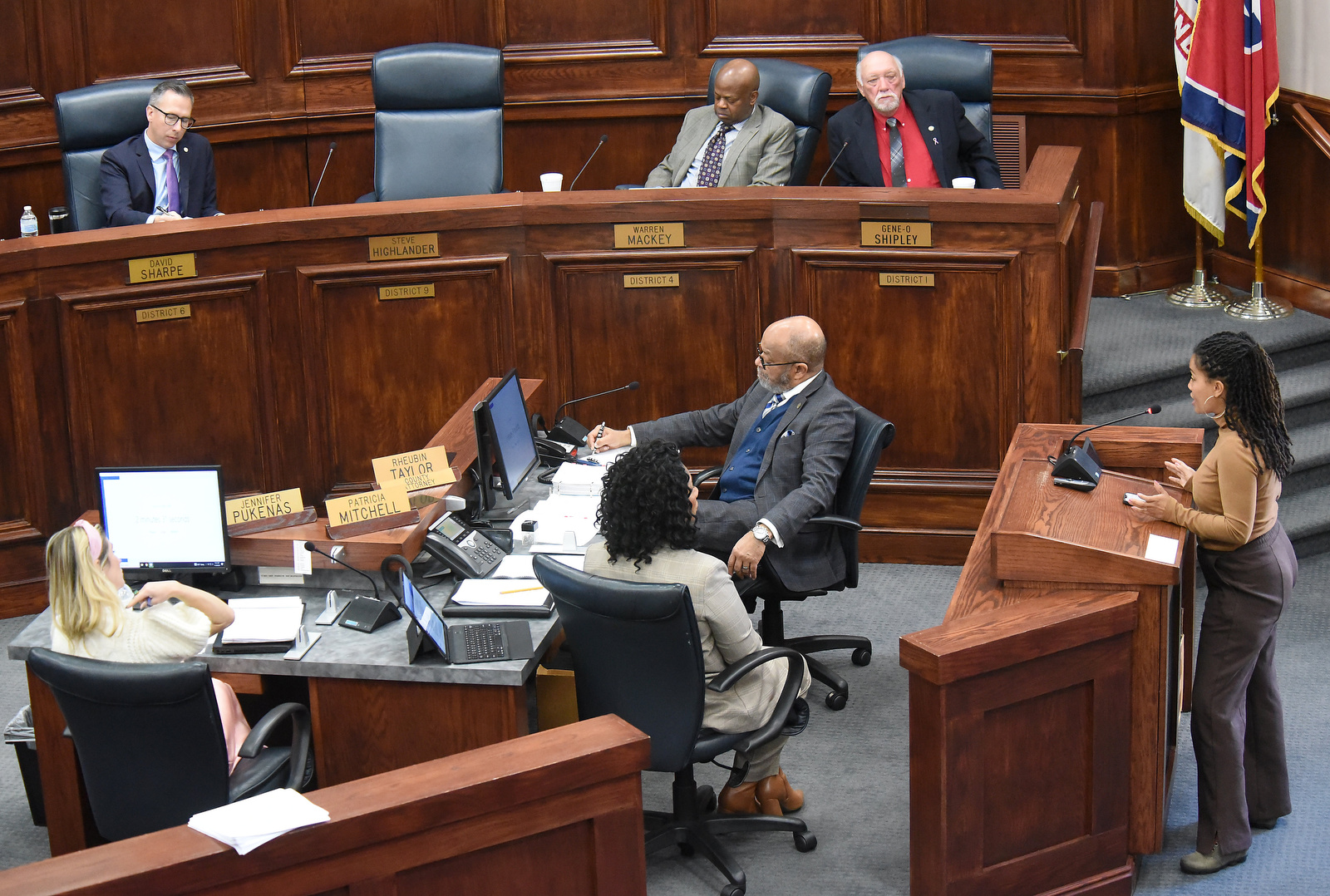
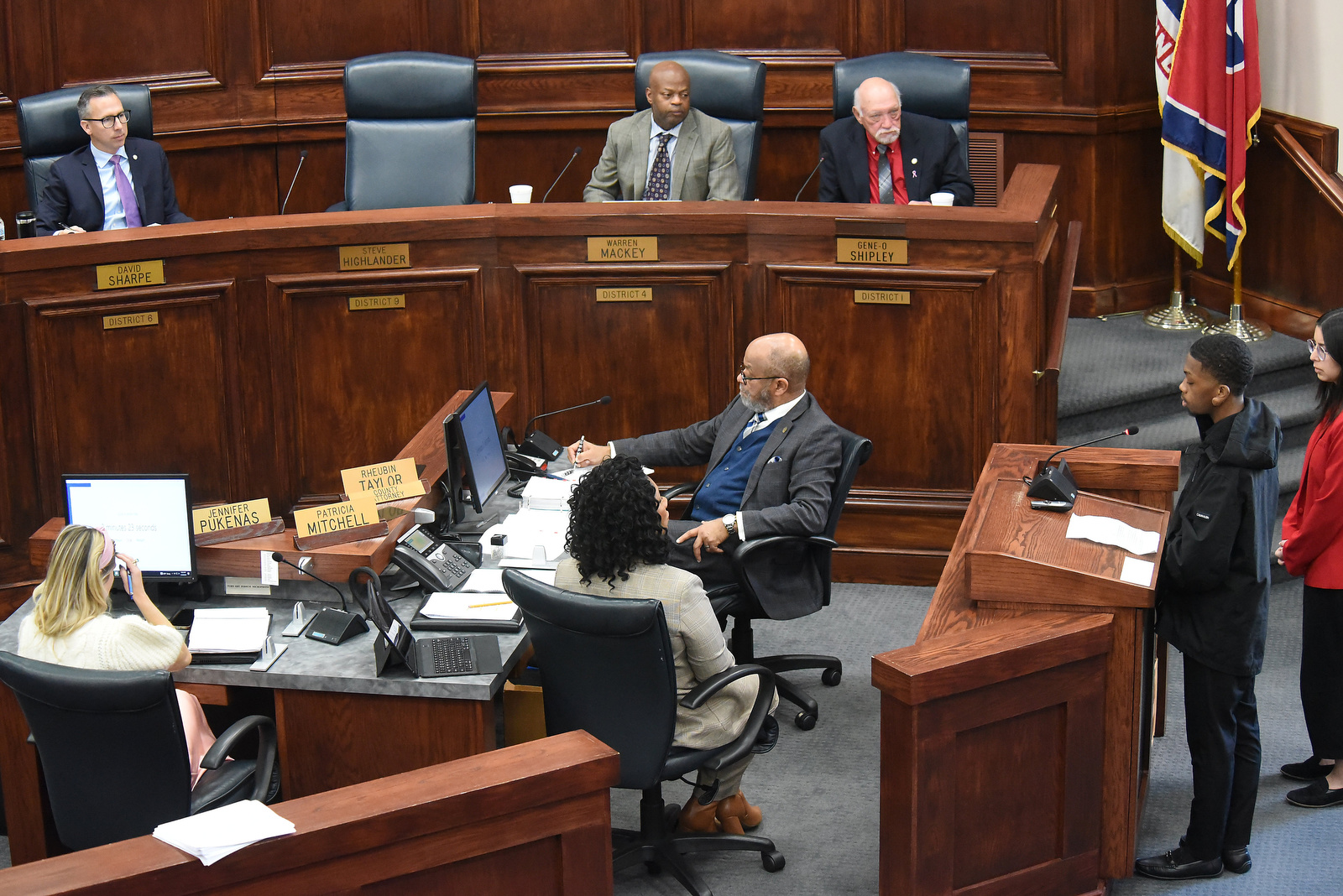
On Nov. 15, county commissioners voted 9-1 to divert a combined $1.05 million in federal pandemic relief funds to pay for a turf football field at The Howard School and a softball field at Brainerd High School. The resolution pulled $400,000 from the Sankofa Civic Engagement Organization, $450,000 of grant funds from the Urban League of Greater Chattanooga, as well as $200,000 reserved for parking lot paving in the parks and recreation budget.
Next week, the board will decide whether to use $475,000 in hotel-motel tax revenue to also help pay for those athletic improvements. Hamilton County Mayor Weston Wamp said redeveloping a football or soccer field into a turf field generally costs about $1 million. The school district recently received a $2 million donation from U.S. Xpress to install turf football fields at Ooltewah and Soddy Daisy high schools.
Wamp said Sharpe’s proposal misses the point — the county wants to bring other private entities into partnership with the school system, pointing to a $10 million donation Pilot Flying J made in 2015 to install artificial turf at 13 Knox County high schools.
“The point of that is so that this doesn’t end up being at an enormous cost to taxpayers,” Wamp said in an interview. “Ideally, we’re not pulling property tax revenue to pay for turf.”
On Tuesday, the Urban League and Sankofa accused the commission of unfairly targeting the two organizations and violating the state’s public meetings laws when it voted to divert the funds. In a letter to county officials, they questioned why the county wasn’t dipping into its sizeable fund balance to pay for the improvements.
“Our office’s responsibility is to consider the highest and best use of taxpayer funds,” Wamp said. “The fund balance does not have a timeline attached to it. All of this (federal pandemic) money has to be allocated by the end of 2024.”
Essential help
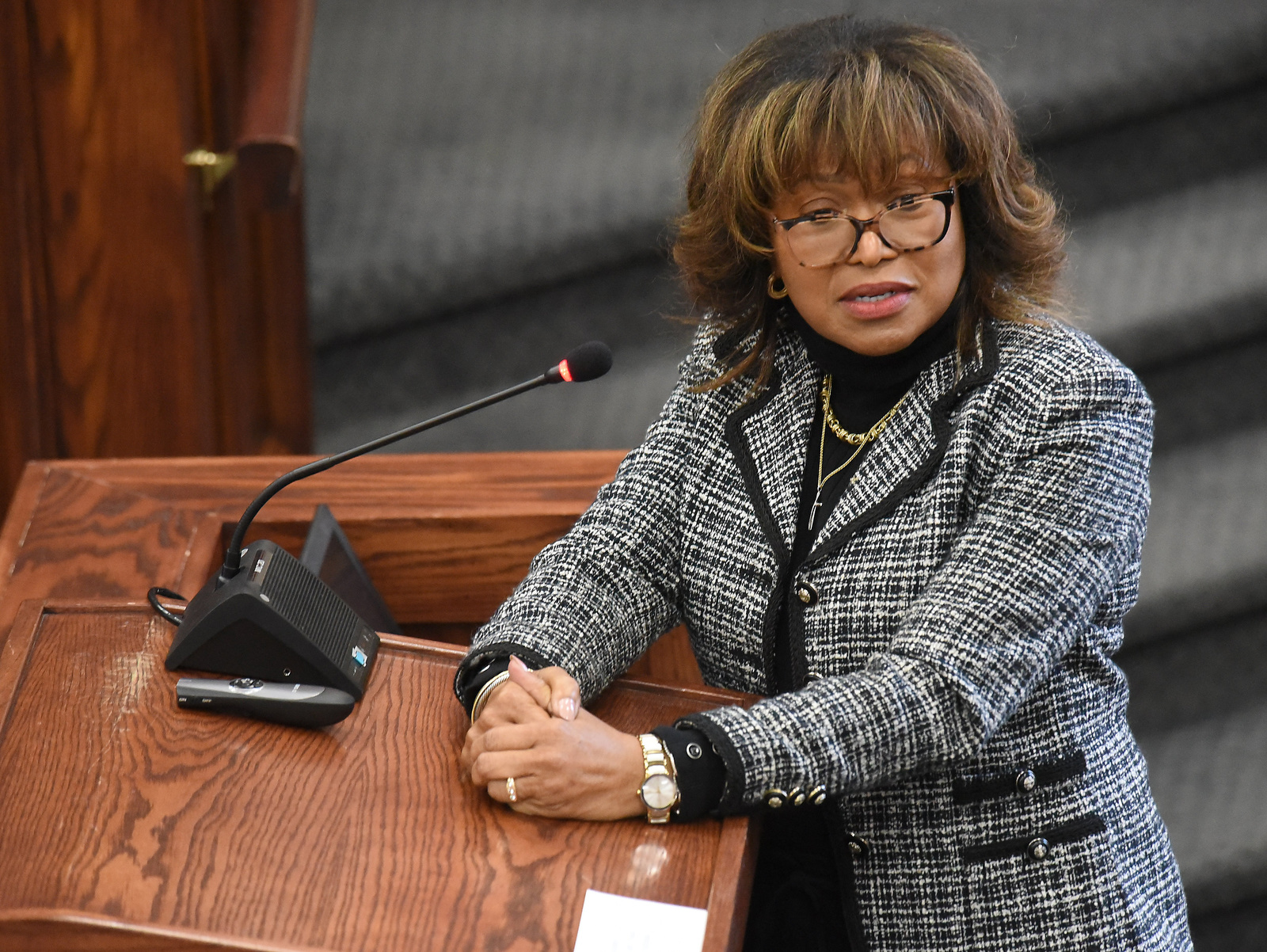
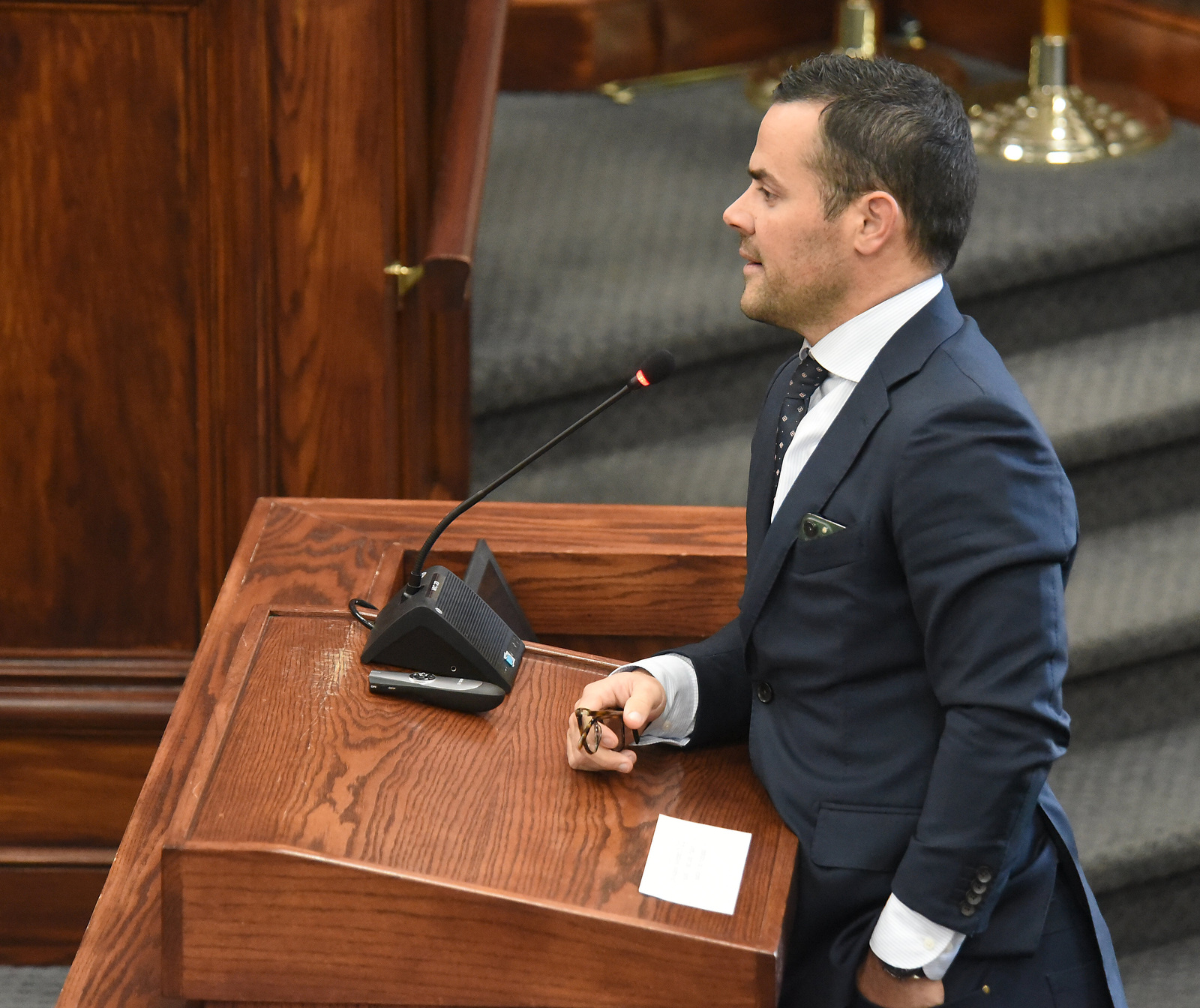
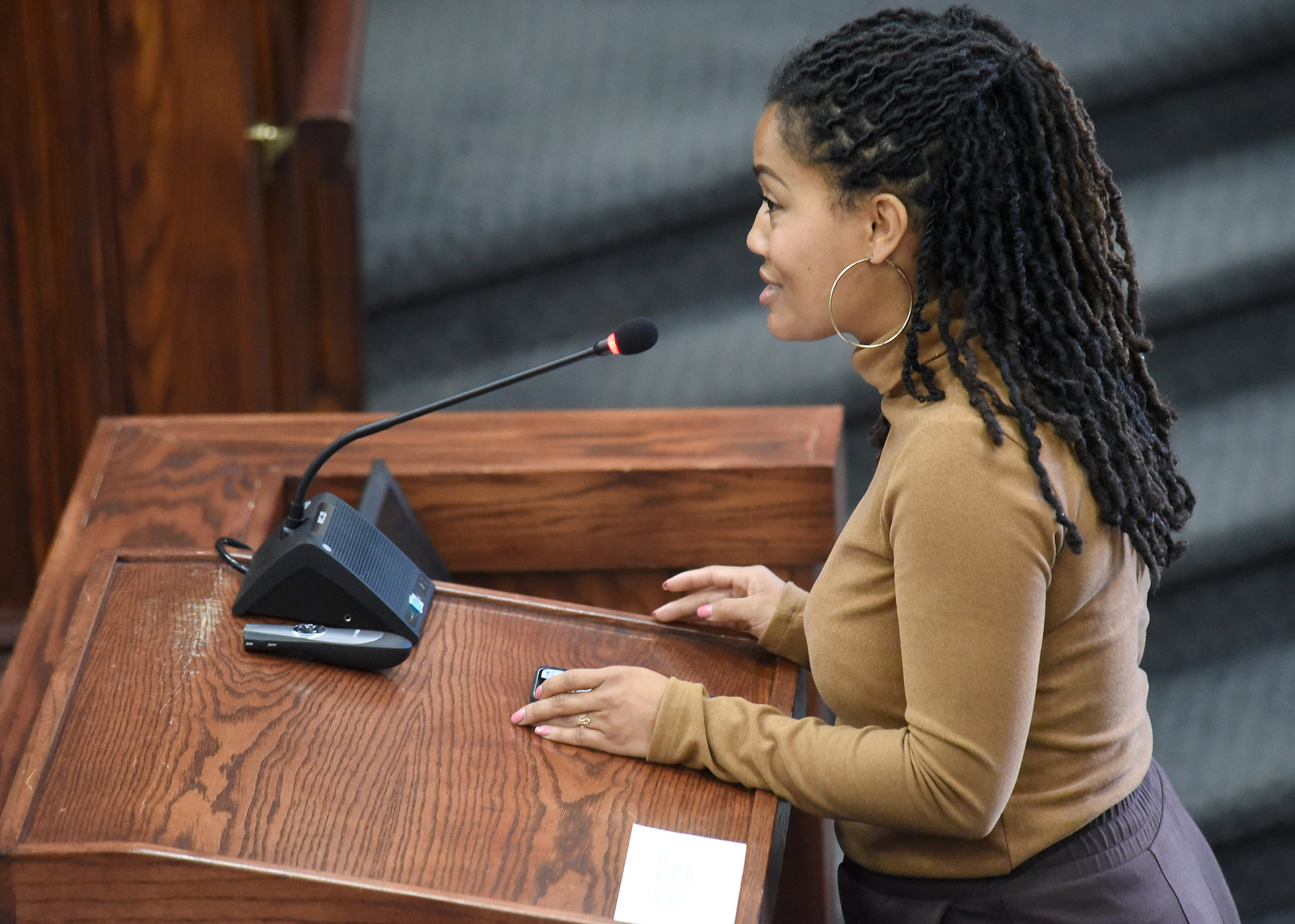
On Wednesday, commissioners heard from several community members who expressed their support for the nonprofits and asked county leaders to give the money back. Briana Garza, the owner of Chatt Taste Food Tours, is a recent alumni of the Urban League’s NextLevel program, a seven-month training initiative for small business owners.
“The utilization of their facilities in a safe space on MLK (Boulevard) was essential to the success for that program in terms of the networking and increasing the five-year viability of my business,” she told commissioners.
Ella Livingston, the owner of the chocolate company Cocoa Asante, previously taught at Ooltewah High School, Howard, Tyner Academy and East Ridge Middle School.
At Howard, which has faced overcrowding, students were learning in trailers because there wasn’t enough room in the school, she said in an interview. Livingston said she also grappled with inconsistent internet and didn’t have the textbooks she needed to teach.
“That’s not to say athletics are not important,” Livingston said in an interview. “It is, but why are you prioritizing athletics over the academic learning of our students? … It’s really all Hamilton County Schools. They all need investments.”
The Sankofa Civic Engagement Organization provided Livingston with a grant in 2020 that helped her maintain her small business during the pandemic. Last year, the Urban League provided her with a $7,500 grant that helped her hire a social media company, which boosted her online presence and allowed her to rapidly increase business.
“Nobody else was looking to give me this funding that I needed — and I was looking,” she said. “For me to see the impact that Sankofa, Urban League and other organizers have continued to have on my business, it’s frustrating this money is being taken away from them.”
With Black female entrepreneurs facing particularly steep challenges in securing funding, those grants were vital to helping her scale up her business, Livingston said.
Desperate need
Shaun Stewart thanked commissioners for setting aside money for school improvements, saying Brainerd High School has been in desperate need of investment in its athletic facilities for decades. He graduated from Brainerd in 1998 and played baseball, basketball and football. Brainerd produces elite athletes, he said, but the school has consistently lacked the resources it needs to serve them.
The Urban League of Greater Chattanooga received a $2.4 million grant from philanthropist MacKenzie Scott in December, Stewart noted, which will help pay for their new three-story headquarters at 401 East M.L. King Blvd.
“For them to be back in here crying and pleading for you guys not to give the proper funds to our communities … it isn’t right,” he told commissioners.
Sarah Concepcion, the senior director of policy and administration at the Urban League, told reporters the grant from Scott was intended to pay for the new building, and the organization received a list of allowable expenses from the county for the $550,000 that it received in pandemic funds.
“All the purchases that we made for the sake of long-term sustainability of our building and our programming were approved expenses for the county,” she said. “I know things have come up like, ‘Oh they bought a copier.’ I can’t tell you how many programs and important documents — student applications — that we’ve printed on there that have been essential to our programming.”
“That’s just crazy in general because it’s really just diverting the conversation away from what we’re really trying to emphasize here, which is an unfair and unequal treatment,” she said.
(READ MORE: How some Hamilton County municipalities plan to use millions in federal recovery funds)
Commissioner Ken Smith, R-Hixson, said in an interview the city and county are in a perfect location to generate significant economic development through youth athletic tournaments, potentially drawing people from Kentucky, North Carolina and Virginia. He hopes the recent investments in school athletic facilities are one step in a larger trend.
“My son’s a very active lacrosse player,” Smith said. “I’ve traveled the country literally with him. And I see incredible tournament facilities, multiple multiuse fields, lots of them. They’re all turf. They’re absolutely beautiful. In a lot of cases, it’s in even much smaller towns.”
The funding pulled from the Urban League and Sankofa went unspent for 16 months, Smith said.
“This is a use of money that we can do today, which is what the money was supposed to be for,” Smith said. “Those dollars were never meant to sit in a bank account. They were meant to go into the community for community support, and that’s what we plan to use them for.”
Contact David Floyd at dfloyd@timesfreepress.com or 423-757-6249.