
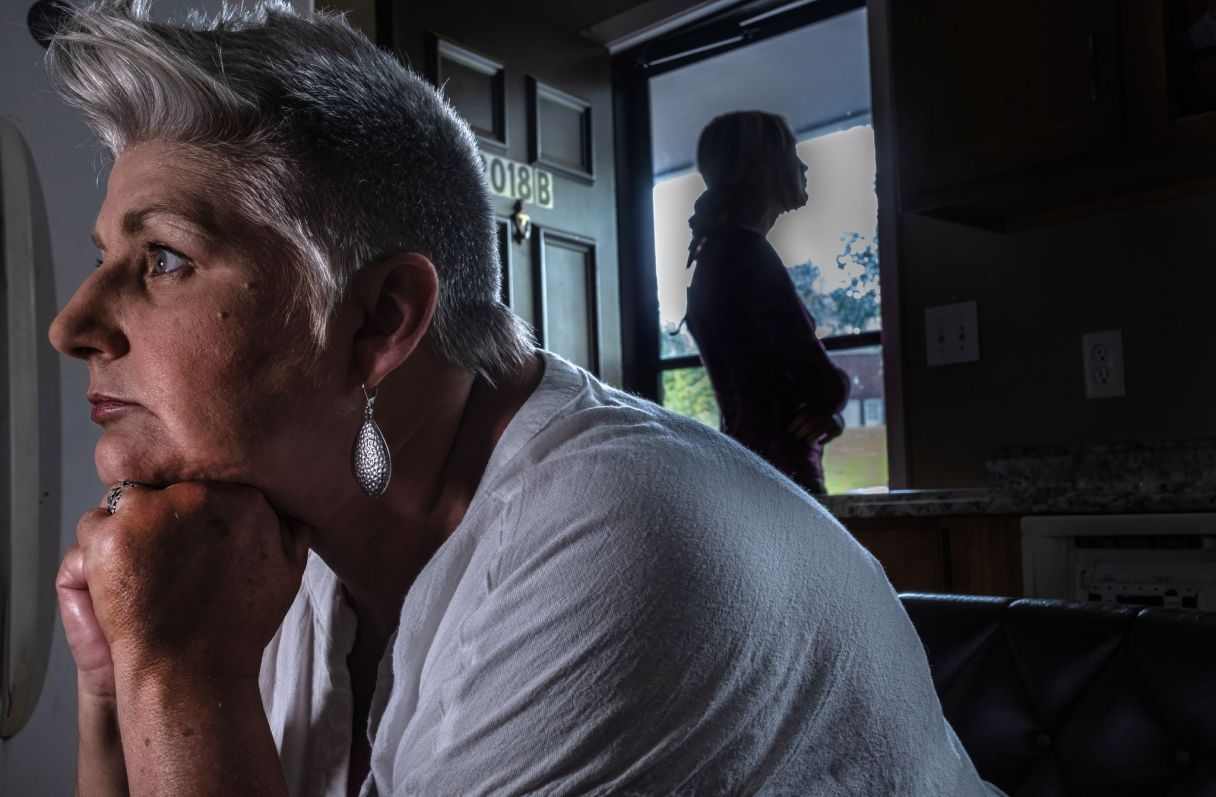
The first time Misty and her 15-year-old daughter traveled to Ohio to see a doctor, they stayed in a hotel near the Cincinnati hospital.
On the second trip, two months later, they left their Knoxville home at 4:30 a.m. and drove more than four hours, watching the sun rise from the interstate, before meeting with an endocrinologist at 10 a.m.
Because Tennessee pharmacies would not fill a prescription for her daughter’s estrogen, they waited in a Cincinnati CVS parking lot for two hours and arrived home that night after Misty’s husband, Chris, made dinner for their two younger children. On a Wednesday night in December, Misty drove two hours to Waynesville, North Carolina, and back to pick up a prescription refill.
Before Tennessee lawmakers and Gov. Bill Lee approved a new law banning gender-affirming care for transgender youth in March, the drive to their Knoxville endocrinology clinic had been 15 minutes. Their regular pharmacy is a mile away.
“It’s really saving her life,” Misty said, explaining why she is willing to make the recurring road trips. “That’s what it boils down to. It’s lifesaving treatment.”