
Tuesday, November 10, 2026Nov 10

COVID, Medicare payments spark remote patient monitoring boom

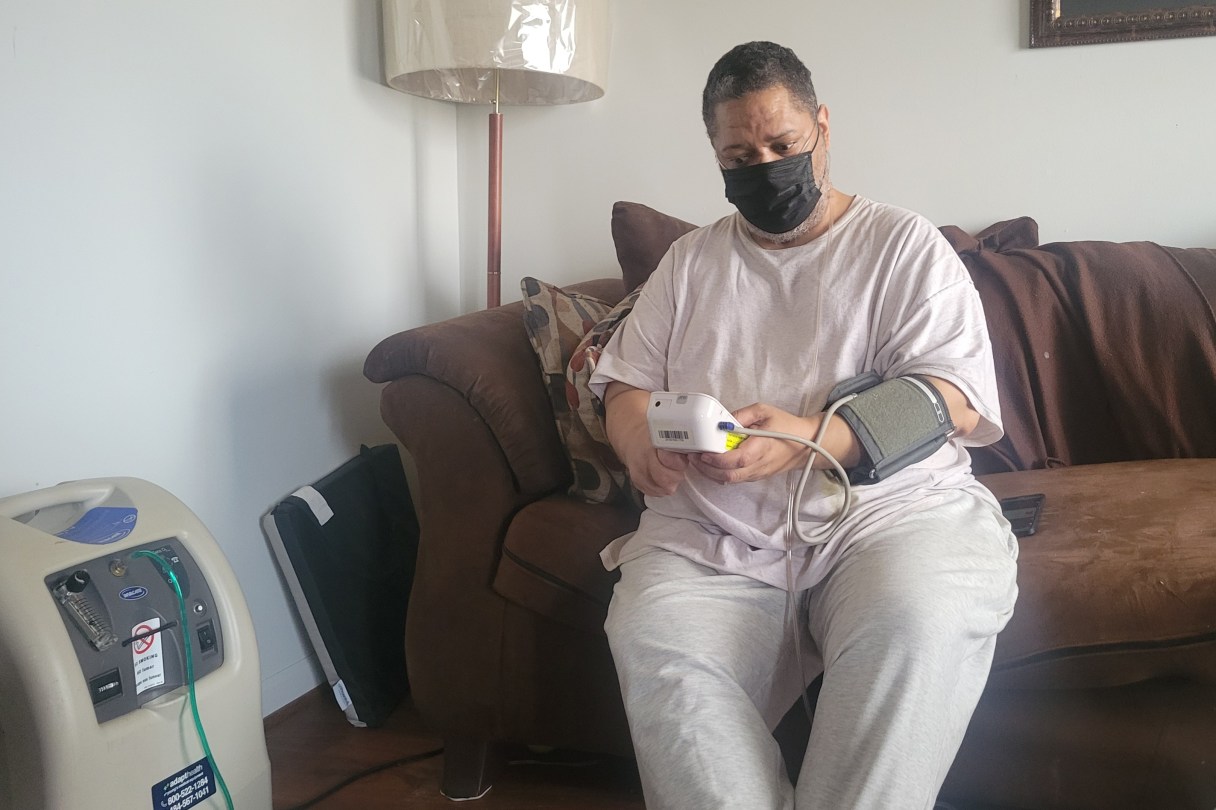
For more than three years, Giovonne Branison has been monitoring his blood pressure, weight and oxygen levels, with the measurements automatically sent to nurses at Frederick Health, a health system based in Frederick, Md. If anything appears abnormal, the nurses call him and, if needed, alert his doctor to make any changes in his medication for high blood pressure and congestive heart failure. He credits the monitoring for helping improve his health and keeping him out of the emergency room. (Phil Galewitz/KFF Health News)
For more than three years, Giovonne Branison has been monitoring his blood pressure, weight and oxygen levels, with the measurements automatically sent to nurses at Frederick Health, a health system based in Frederick, Md. If anything appears abnormal, the nurses call him and, if needed, alert his doctor to make any changes in his medication for high blood pressure and congestive heart failure. He credits the monitoring for helping improve his health and keeping him out of the emergency room. (Phil Galewitz/KFF Health News) For more than three years, Giovonne Branison has been monitoring his blood pressure, weight and oxygen levels, with the measurements automatically sent to nurses at Frederick Health, a health system based in Frederick, Md. If anything appears abnormal, the nurses call him and, if needed, alert his doctor to make any changes in his medication for high blood pressure and congestive heart failure. He credits the monitoring for helping improve his health and keeping him out of the emergency room. (Phil Galewitz/KFF Health News)

Billy Abbott, a retired Army medic, wakes at 6 every morning, steps on the bathroom scale and uses a cuff to take his blood pressure.

The devices send those measurements electronically to his doctor in Gulf Shores, Alabama, and a health technology company based in New York, to help him control his high blood pressure.

Nurses with the company, Cadence, remotely monitor his readings along with the vital signs of about 17,000 other patients around the nation. They call patients regularly and follow up if anything appears awry. If needed, they can change a patient’s medication or dosage without first alerting their doctor.

Abbott, 85, said he likes that someone is watching out for him outside his regular doctor appointments.

“More doctors should recommend this to their patients,” he said.