
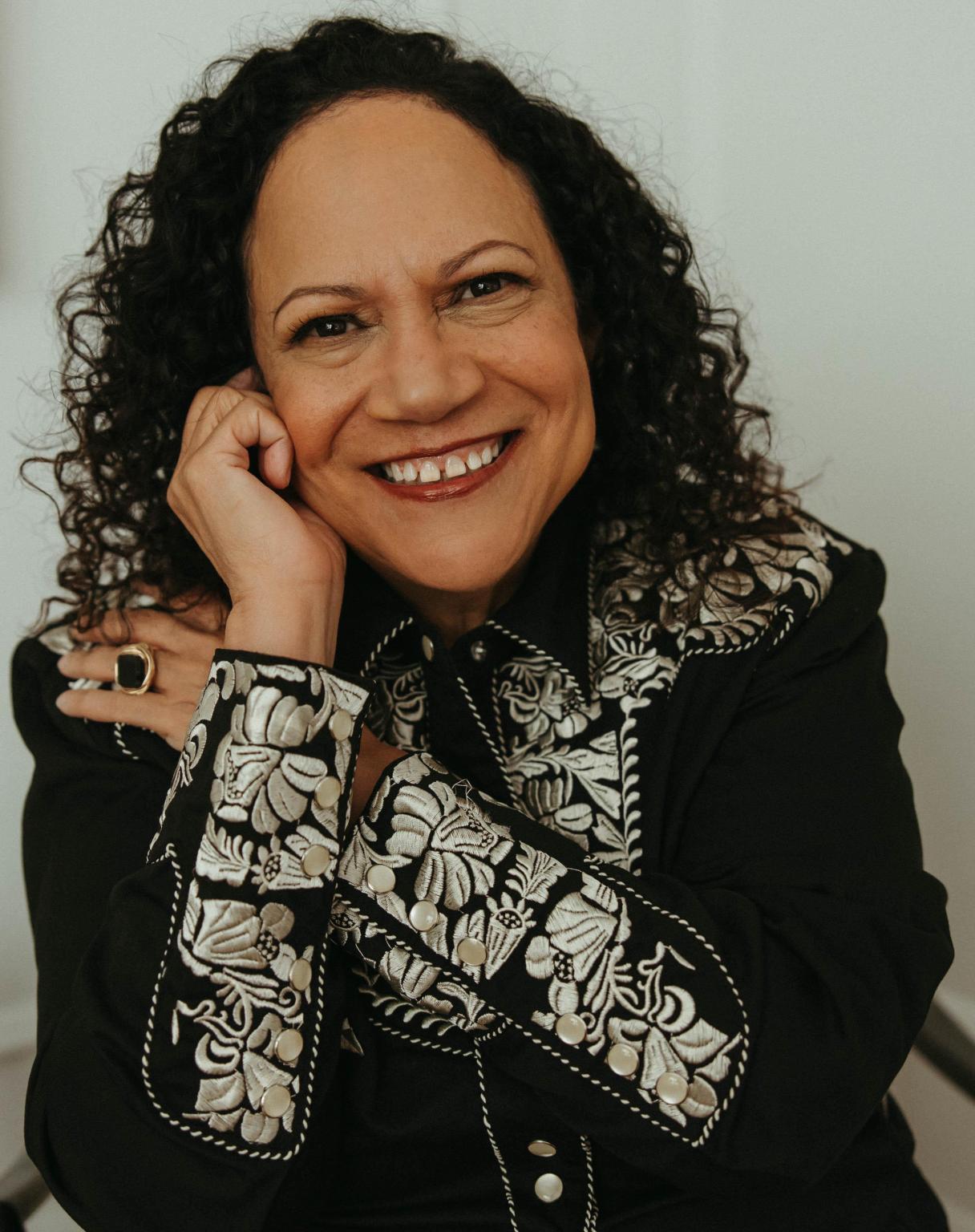
“MY BLACK COUNTRY: A JOURNEY THROUGH COUNTRY MUSIC’S BLACK PAST, PRESENT AND FUTURE” by Alice Randall (Atria / Black Privilege Publishing, 288 pages, $29).
Alice Randall’s “My Black Country” is a lot of things. First, it’s a course in Black history. It’s also a memoir. The words are a song in and of themselves. Above all, it’s a gift — an assurance that the history of Black artists in country music won’t be forgotten.
Randall, a songwriter, author and Vanderbilt University professor, has spent most of her life dedicated in one way or another to schooling people on country music. In “My Black Country,” she outlines the inclination of Music Row institutions to discount Black writers and their insistence on erasure of Black artists, particularly women, in the genre. Randall knows all too personally that the country music industry, and the world, can be tough on a Black female songwriter. Even as she earned a spot as the first Black woman to co-write a No. 1 country hit with Trisha Yearwood’s “XXX’s and OOO’s (An American Girl),” most people wouldn’t know the song was written by a Black mother desperate to figure out who she was. Luckily, you can get that whole story here.
“My Black Country” can’t be mentioned without noting the backdrop of its release. Randall discusses Beyoncé in the book — “Lemonade’s” “Daddy Lessons” and all its undoubtedly country swagger — but she could not have known that the debate about Queen B’s country bona fides would be in full swing when it arrived in bookstores. Beyoncé’s “Cowboy Carter” wasn’t even fully out yet when the singer earned a No. 1 on Billboard’s Hot Country Songs for her single “Texas Hold ‘Em,” becoming the first Black woman to do so.
What Randall sets out to uncover is that this conversation did not begin with the recent attention to Black artists entering the country music sphere. The book builds on the idea of the first family of Black country music, identified by Randall as DeFord Bailey, Lil Hardin, Ray Charles, Charley Pride and Herb Jeffries. She gives a long history and a lineage that begins with the Black experience.