
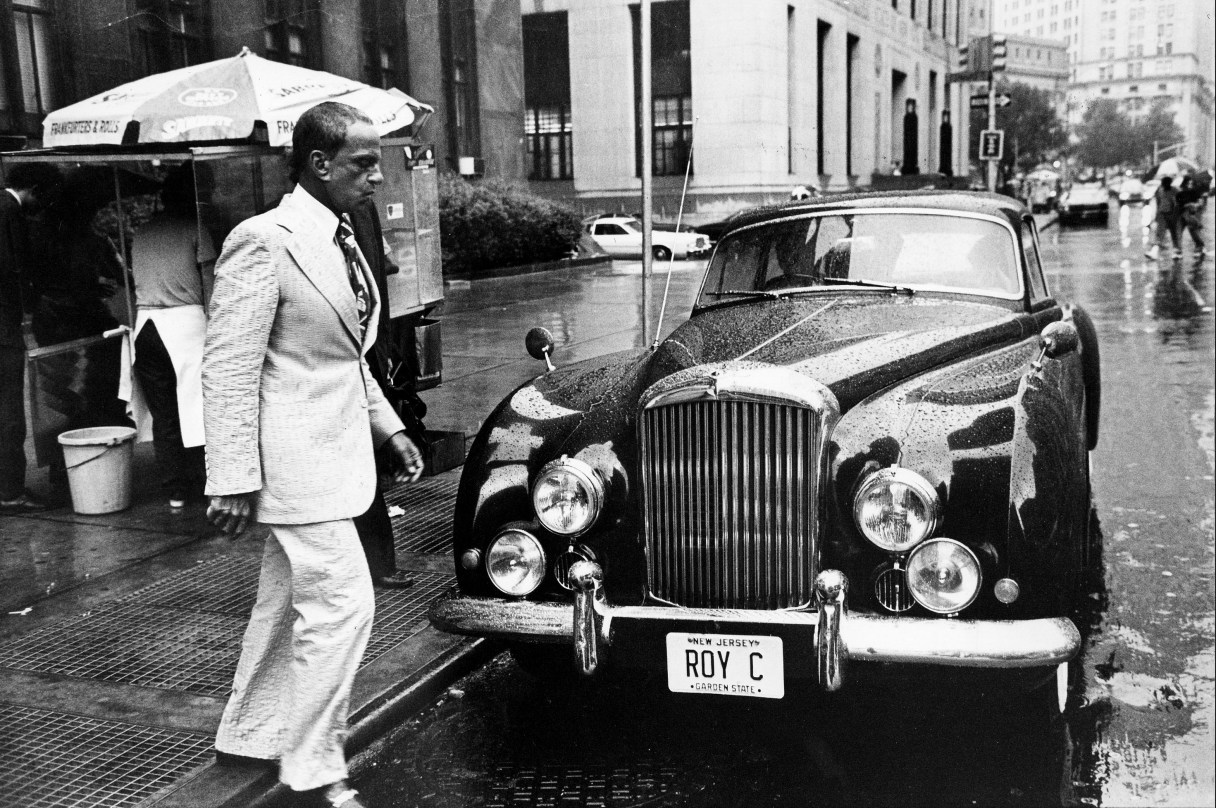
This week I finally got to see “The Apprentice,” an absorbing, disturbing movie about the relationship between red-baiting mob lawyer Roy Cohn and a young Donald Trump. The film is a classic story of a mentor and his protégé, chronicling how Trump first learned from and later surpassed his brutal, Machiavellian fixer.
Its performances are extraordinary. “Succession” star Jeremy Strong captures both Cohn’s reptilian menace and, eventually, his pathos, as he’s wasted by AIDS but, closeted to the end, refuses to admit it. Just as impressive is Sebastian Stan, who makes Trump legible as a human being rather than the grotesque hyperobject we all know today.
“The Apprentice” gives you a sense of the audacious glamour Trump projected before he became a caricature, and it makes his decision to pursue Manhattan’s Commodore Hotel in the 1970s, when midtown was a sleazy wasteland, seem visionary. It offers a fresh way of understanding how Trump — under the tutelage of Cohn — evolved from an almost charming Queens striver into the lawless predator now bestriding American politics. I wish you could see it.
Unfortunately, you may not get a chance to anytime soon, at least in the United States. Distributors have bought the rights to “The Apprentice” in Canada, the U.K., France, Germany, Japan and many other countries. But the filmmakers have yet to secure a deal to release it here.
Negotiations are ongoing, and domestic distribution could still come together. Yet the possibility that American audiences won’t be able to see “The Apprentice” isn’t just frustrating. It’s frightening, because it suggests that Trump and his supporters have already intimidated some media companies.