
The NCAA has presented a plan to Division I conference commissioners that would expand the lucrative men’s and women’s basketball tournaments — either by four or eight teams — alongside an option to leave each field at 68 teams, a person familiar with the details told The Associated Press.
The proposals were outlined to the commissioners this week by Dan Gavitt, who is the association’s senior vice president of basketball, and Lynn Holzman, the vice president for women’s basketball, the person told the AP on Thursday on condition of anonymity because no official announcements had been made.
Under the proposal, expansion of the 68-team field included both four- and eight-team models. The NCAA would keep its 64-team bracket but would add play-in games involving the 10 through 12 seeds.
If the men’s tournament were to expand, it is expected the women’s tourney would as well.
“It is appropriate to look at expansion, and we need to do that,” Atlantic Coast Conference commissioner James Phillips said Thursday during the Associated Press Sports Editors summer conference. “We’re looking at it.”
He didn’t go into details on the proposal, which he said now “goes in front of the basketball committee, basketball oversight.”
“When do you get to the point when the regular season doesn’t matter?” he added. “Modest expansion is something I would prefer.”
Many in college basketball have said they believe the 68-team fields and three weekends of play are ideal, but pressure has grown to add teams and games to one of the most popular sports events on the U.S. calendar. Last year, the NCAA Division I board of directors approved recommendations that included allowing one quarter of teams in larger sports to compete in championship events; in that scenario, March Madness could expand to nearly 90 teams in each tourney.
The NCAA is in the midst of an eight-year extension of its TV deal for the men’s tournament worth $8.8 billion that runs through 2032. That would not be expected to change if a handful of teams are added.
More games would provide a small boost through ticket sales and merchandise, but the pool of money the NCAA uses to pay out to conferences and member schools would essentially stay the same. What could change, however, is how that money would be divided up if the tournament broadens.
Expansion would also mean the men’s tournament would have to find an additional site for its First Four games besides Dayton, Ohio. That city already has games on Tuesday and Wednesday and wouldn’t be able to host additional play-in games ahead of the tourney’s traditional first-round opening on Thursday. Women’s play-in games are at the same campus sites as the first two rounds of the tournament.
Expansion is largely backed by more powerful conferences, and other leagues do not want to lose the automatic bids that come with a conference tournament championship or face the prospect of always being slotted for the play-in games.
The earliest the NCAA tournament could expand would be the 2025-26 season, the person told AP. The NCAA basketball oversight committee meets next week, and the tournament selection committee has a meeting next month.
The men’s tournament most recently expanded in 2011, when it went from 64 to 68 teams. The women’s tournament matched that in 2022.
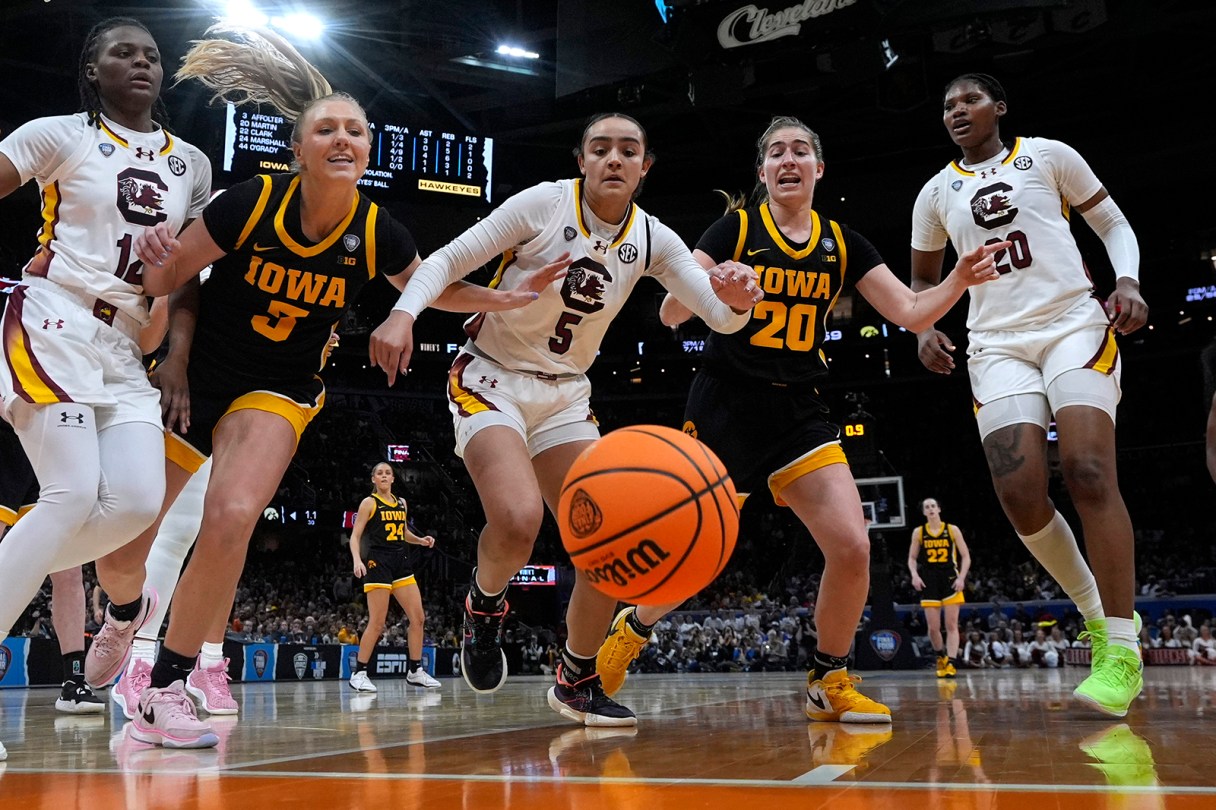
The women’s tournament is coming off its most successful edition ever. In addition to record attendance for the tourney, there was an audience of 18.7 million viewers for the title game in which South Carolina beat Iowa, the highest for a basketball telecast of any kind in five years. That was nearly 3 million more viewers than this year’s men’s championship game in which Connecticut beat Purdue to repeat as national champion.