
Of all the living Republicans who have run on a presidential ticket, only two are publicly backing Donald Trump: Sarah Palin, the 2008 vice presidential candidate, and JD Vance, Trump’s current running mate.
Everyone else is going a different way.
Trump’s two-time running mate and vice president, Mike Pence, is declining to support the man who still defends the mobs that wanted him hanged for following the Constitution.
George W. Bush, the twice-elected Republican president, has said he won’t be endorsing anyone. Former Vice President Dan Quayle has stayed mum. Mitt Romney, Trump’s immediate predecessor as the GOP presidential nominee, and his running mate, former House Speaker Paul Ryan, have said they won’t vote for Trump.
And Dick Cheney, the former two-term vice president, White House chief of staff, secretary of defense and congressman, said last week that he will vote for the Democratic nominee, Kamala Harris.
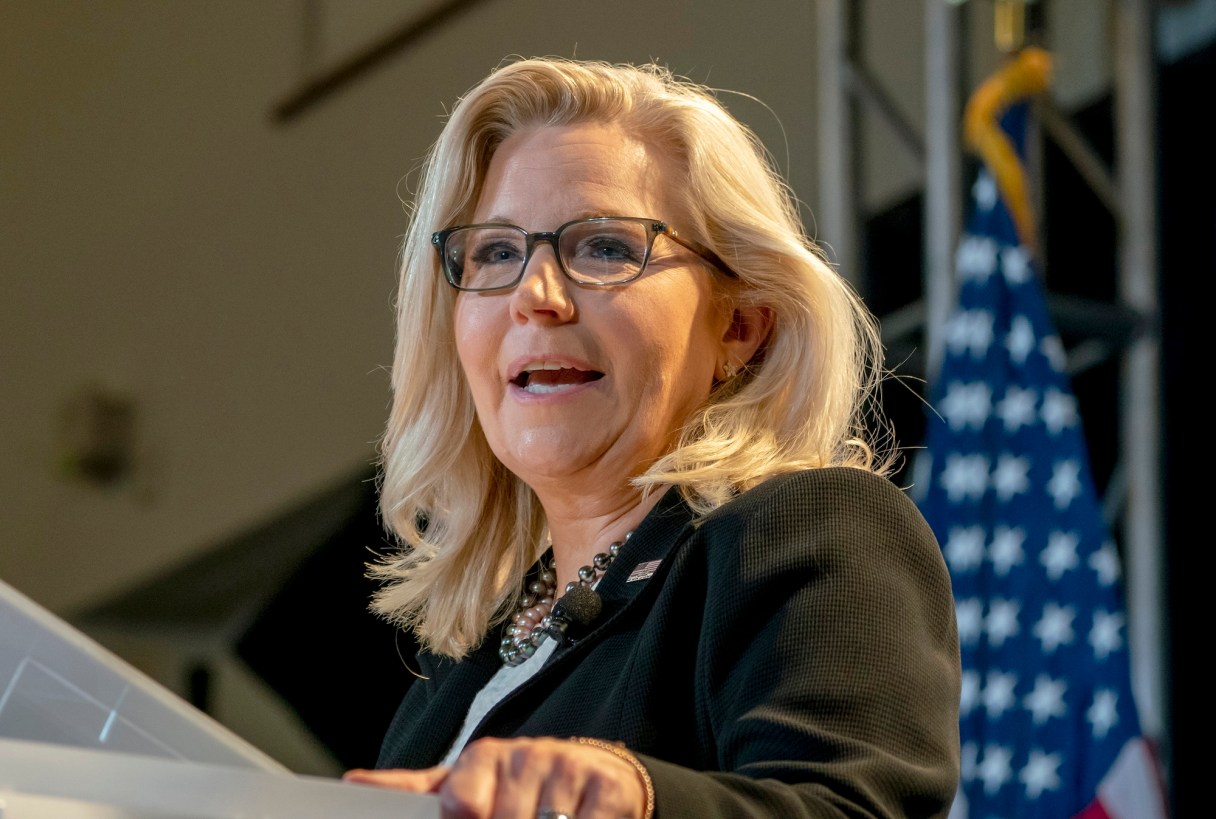
Cheney joined his daughter, Liz Cheney, a onetime rising star among House Republicans, in endorsing Harris.
I have nothing but respect for all these decisions. But Liz Cheney’s path has arguably been the most heroic, insofar as she risked — and lost — the most.
If the former congresswoman had opted to back Trump — or just backtrack on her condemnations of him after a “respectable” period of time the way former Speaker Kevin McCarthy and so many others did — she might be the speaker today. But she stuck to her convictions, demanding that Trump be held accountable for his behavior on and around Jan. 6, 2021. And her political career is therefore over — or at least it is so long as the GOP remains in thrall to Trump.
I don’t think her approach is ideal strategically. And strategy is, by Cheney’s own account, what matters here. She has repeatedly said that she would “do everything I can” to make sure Trump doesn’t return to the White House. I have misgivings about her approach, particularly her claims that Harris is essentially a centrist whom conservatives should feel comfortable supporting.
I think Cheney should own the discomfort that comes with supporting Harris. The universe of undecided and persuadable voters in the relevant swing states is small. How many voters might yet be persuaded by her formal endorsement of Harris? Dozens? Hundreds? Maybe.
Meanwhile, as asinine as I find the argument, many Republicans and conservatives have been convinced that Liz and Dick Cheney are “RINOs” — the childish acronym for “Republican in name only” closet liberals. Arkansas Gov. Sarah Huckabee Sanders, a Trump loyalist, said on “This Week” that “you don’t get to call yourself a conservative or Republican when you support the most radical nominee that the Democrats have ever put up.”
Whatever you think of that talking point, it’s effective with a lot of people in part because there is some truth to it. Harris’ record, particularly before the last six weeks, has been irrefutably left-wing.
Why not acknowledge that? If Cheney and other anti-Trump conservatives are going to face the charge that they’re just born-again left-wingers, why don’t they criticize Harris’ progressive politics while saying they’re going to vote for her anyway because supporting Trump isn’t an option?
Asking conservatives who dislike Trump — and there are millions — to simultaneously defenestrate their party’s nominee, their party and their principles is too much. What they seek is permission to make the best of a bad situation while still being able to identify as conservative and Republican.
Many conservatives might be persuaded by the honesty of the argument that saving the GOP, conservatism and the country warrants voting for a Democrat — and then concentrating on rebuilding the Republican Party and the conservative movement after Election Day.