
If you or someone you know may be experiencing a mental health crisis, contact the 988 Suicide & Crisis Lifeline by dialing or texting “988.”
WINDER, Ga. – About an hour after gunfire erupted at Apalachee High School, ambulances started arriving at nearby Northeast Georgia Medical Center Barrow with two students and two adults suffering from panic attacks and extreme anxiety, not bullet wounds.
A fifth patient with similar symptoms later arrived at another local facility, according to a health system spokesperson.
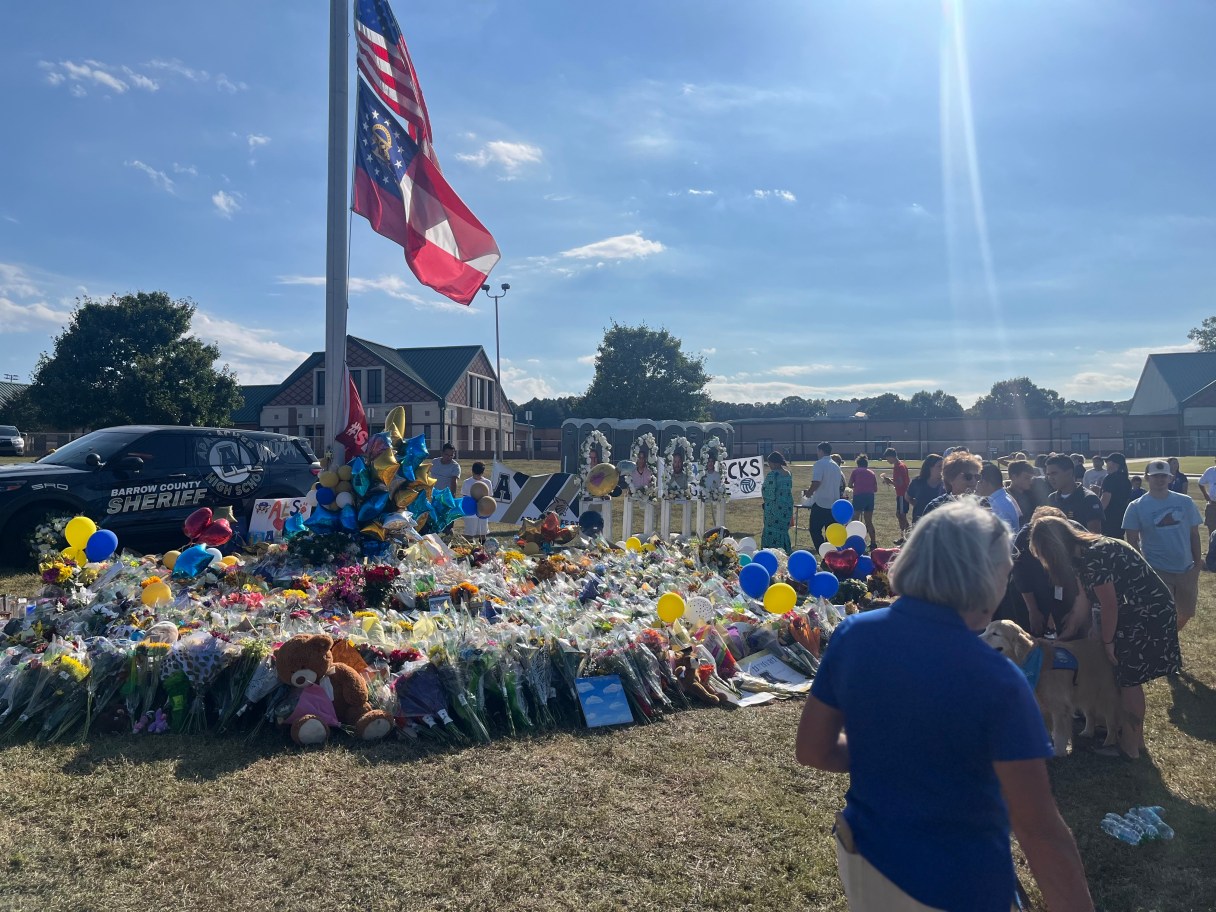
The day after the Sept. 4 school shooting that killed two students and two teachers, some 80 families showed up in a county office to receive counseling from volunteer therapists who converged from across the Atlanta metro area, according to one medical provider. That Sunday, nine people received free treatment at a local church for post-traumatic stress disorder from volunteering Atlanta-area providers. On Monday, the state opened a temporary recovery center to help locals find counseling, faith-based support or other aid. The needs are still great.
“We don’t really know how we’re doing,” Amanda McKee – whose son, Asa Deslonde, is a senior at Apalachee – said two days after the shooting. “It’s second by second. It’s minute by minute. The last couple days have been unimaginable.”