
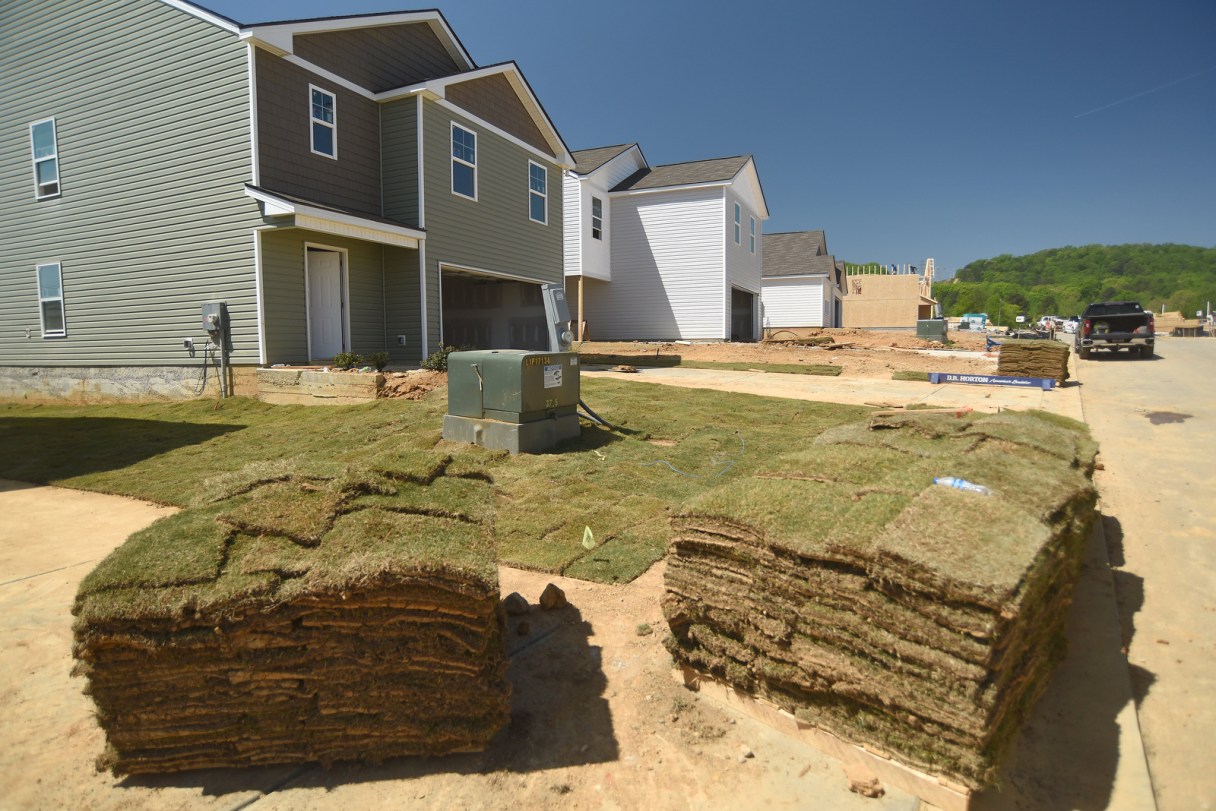
A failure to balance growth and the environment could lead to not just economic consequences in the Chattanooga area but harm the physical and mental health of its citizens, experts said.
“If we get this wrong … there’s a real civic decline,” Noel Durant, Tennessee state director of The Trust for Public Land, said at a forum weighing how to juggle economic and housing growth with protecting the environment.
Emily Heid, coordinator for the Southeast Tennessee Young Farmers Coalition, said at the forum that not getting the balance right could cause some people to not have access to the outdoors.
“We need to create places that are accessible for everyone,” she said at the forum Friday in Rossville sponsored by Thrive Regional Partnership.
The forum comes amid the backdrop of a growing Chattanooga region.
(READ MORE: Chattanooga area saw steady growth)
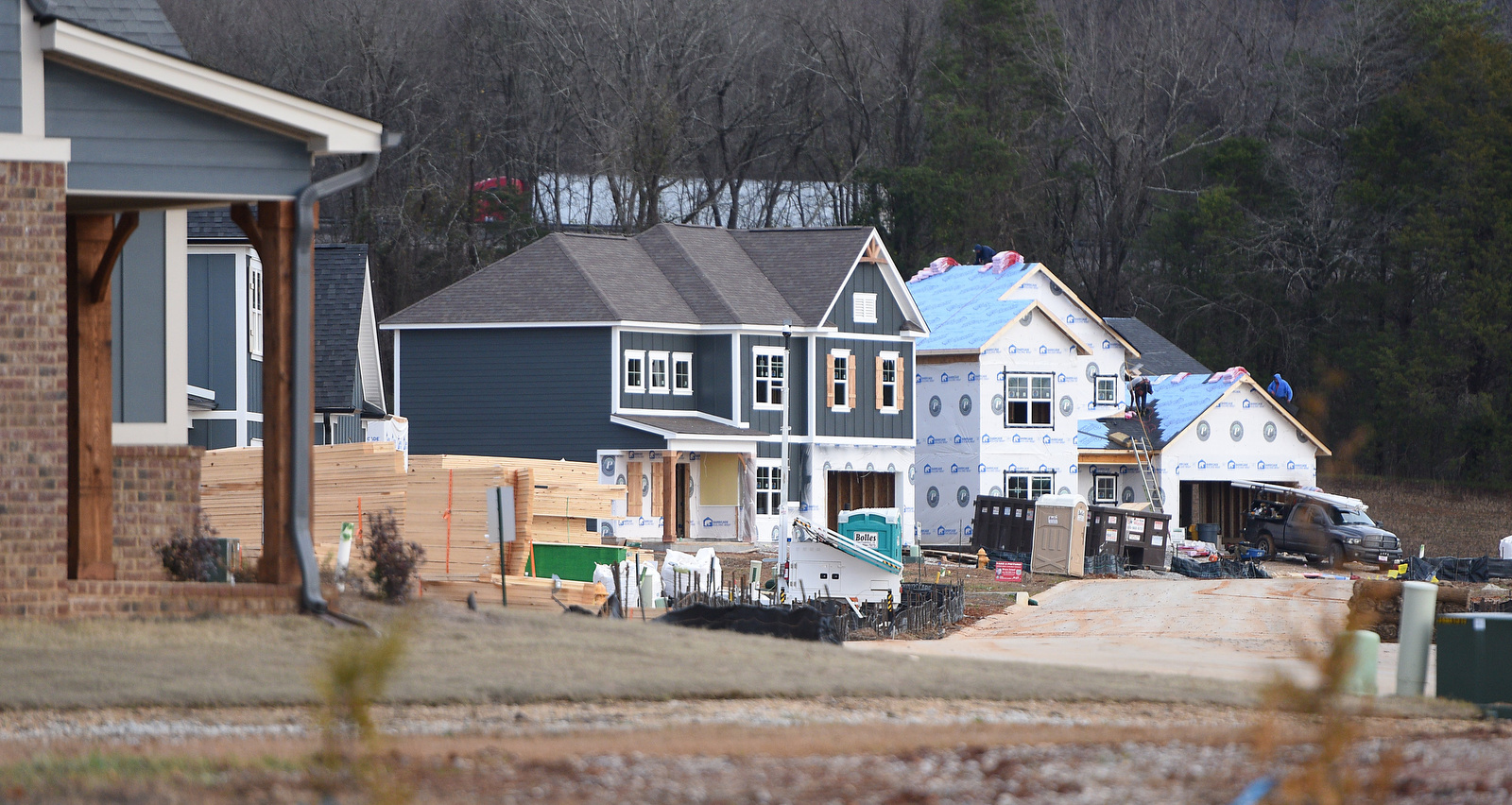
While the metro population has increased by about 1% annually since 2020, other communities such as those in East Hamilton County and North Georgia are seeing much faster growth of both people and housing.
(READ MORE: ‘Enough is enough’)
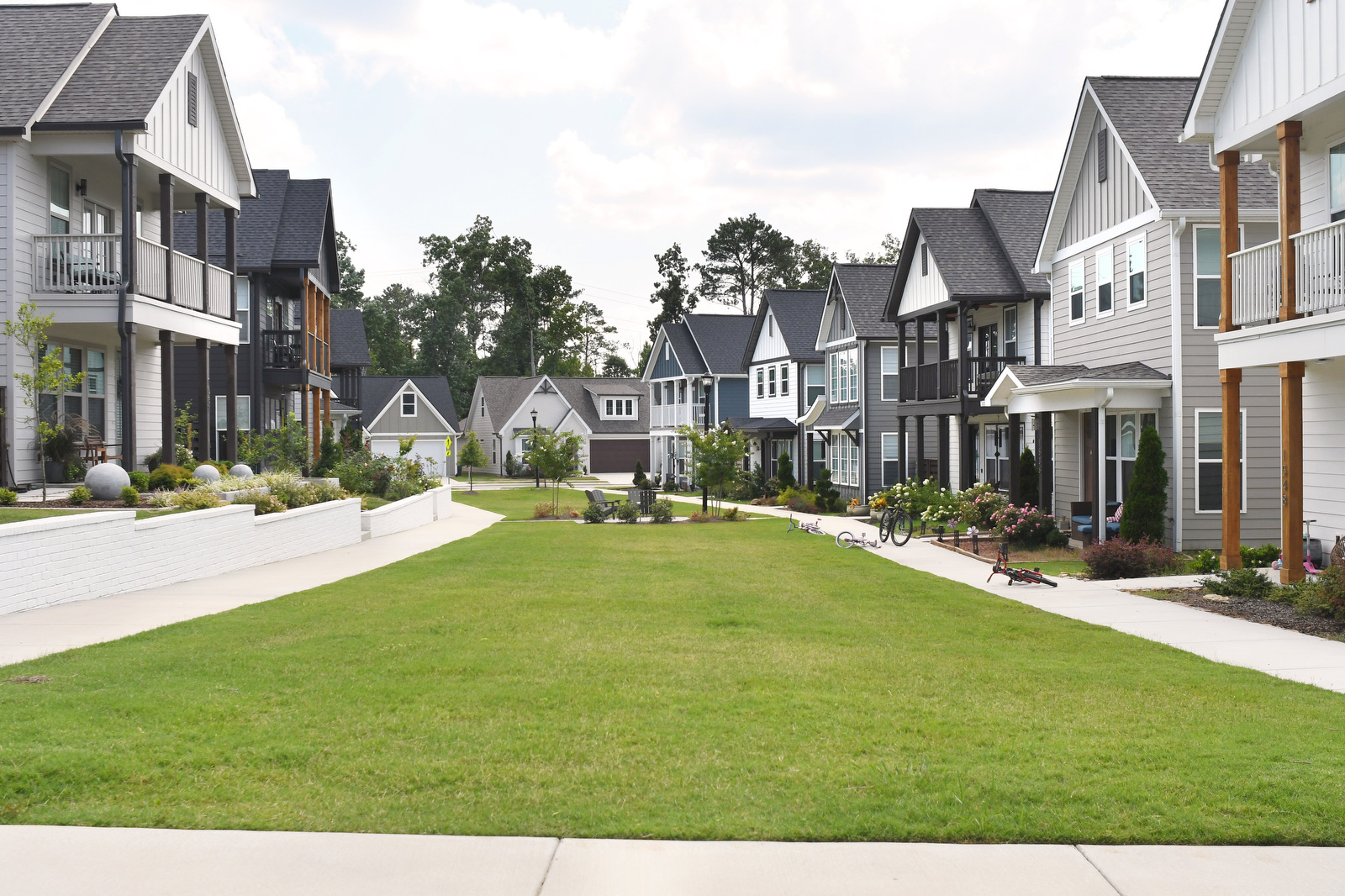
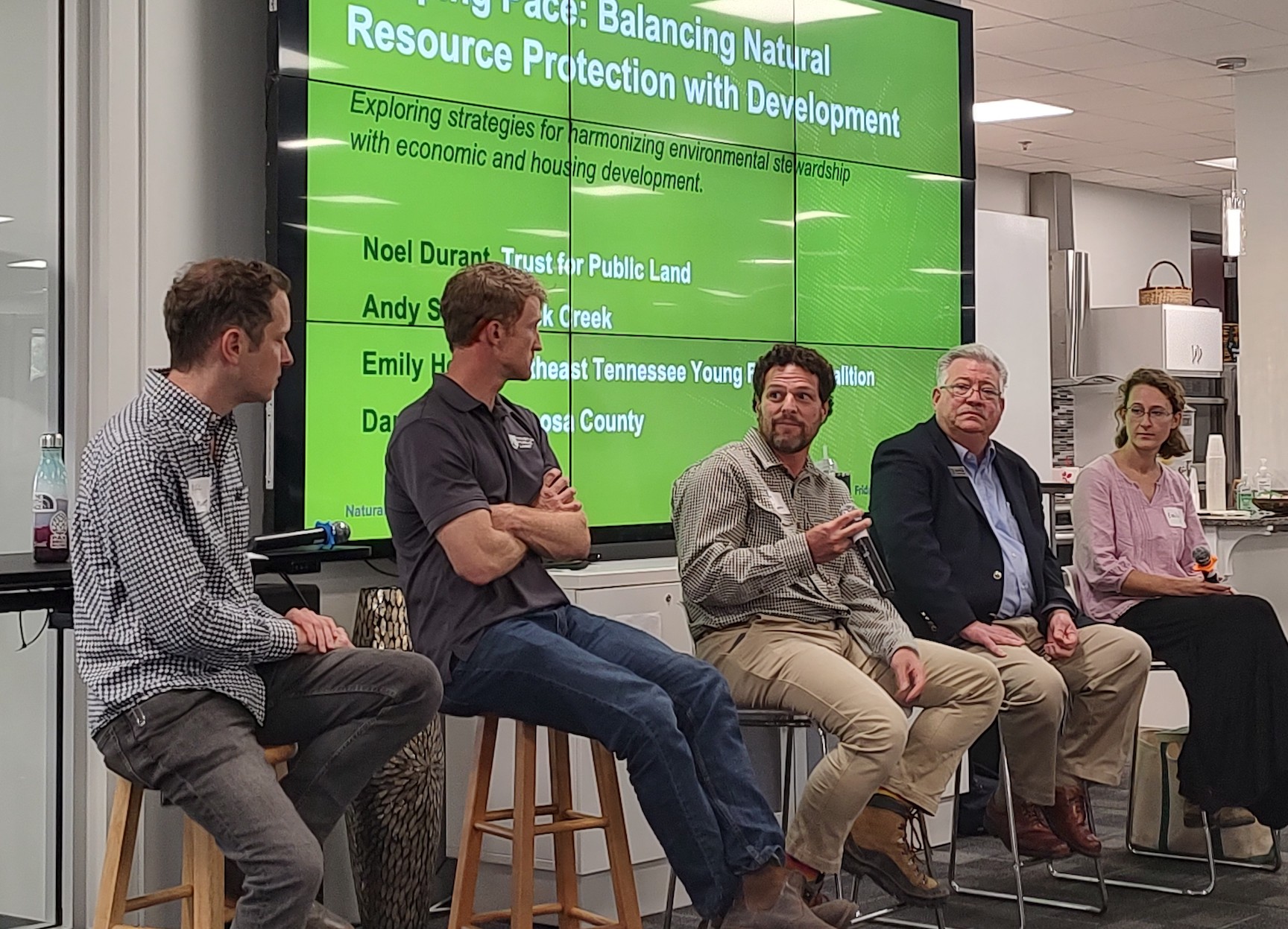
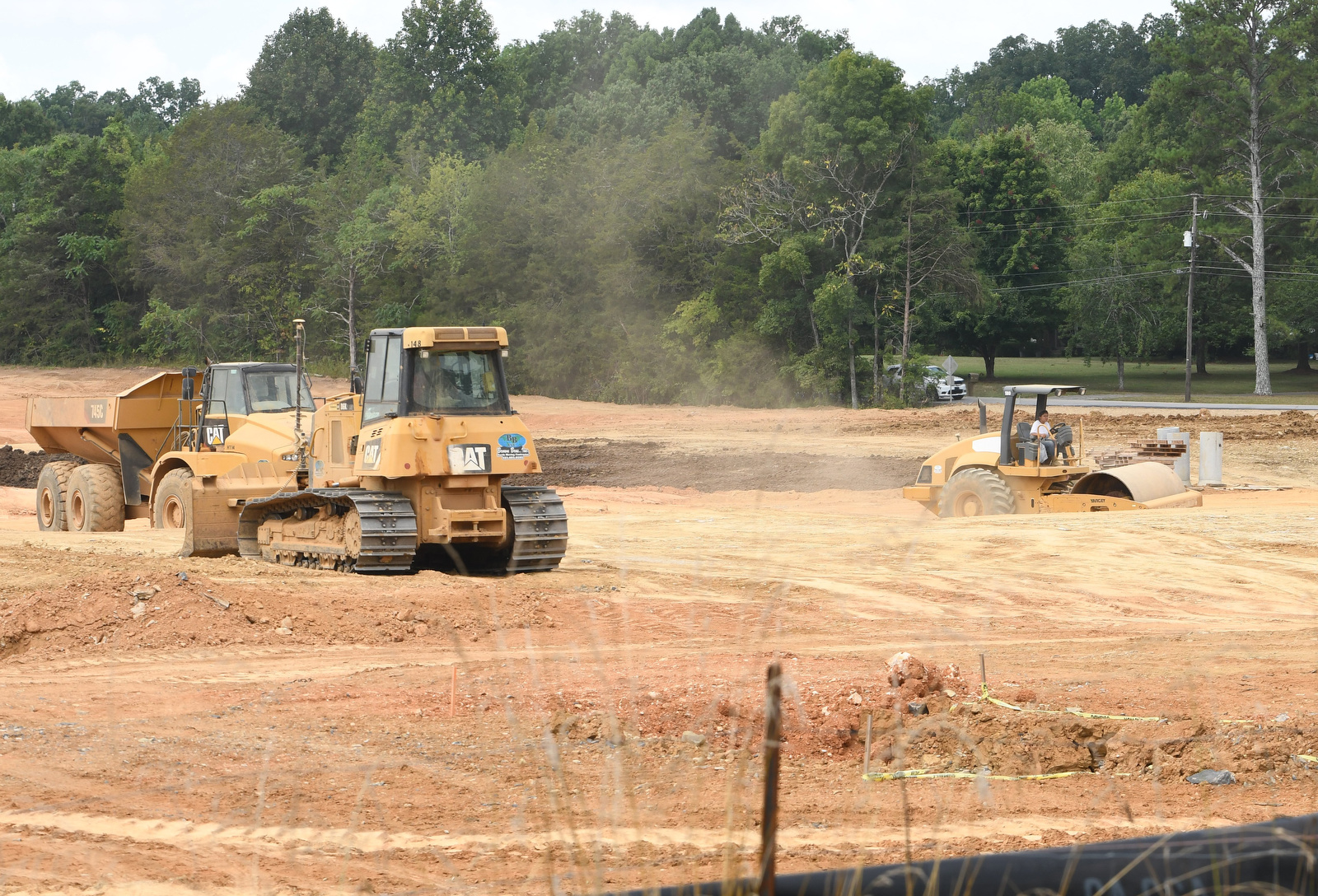
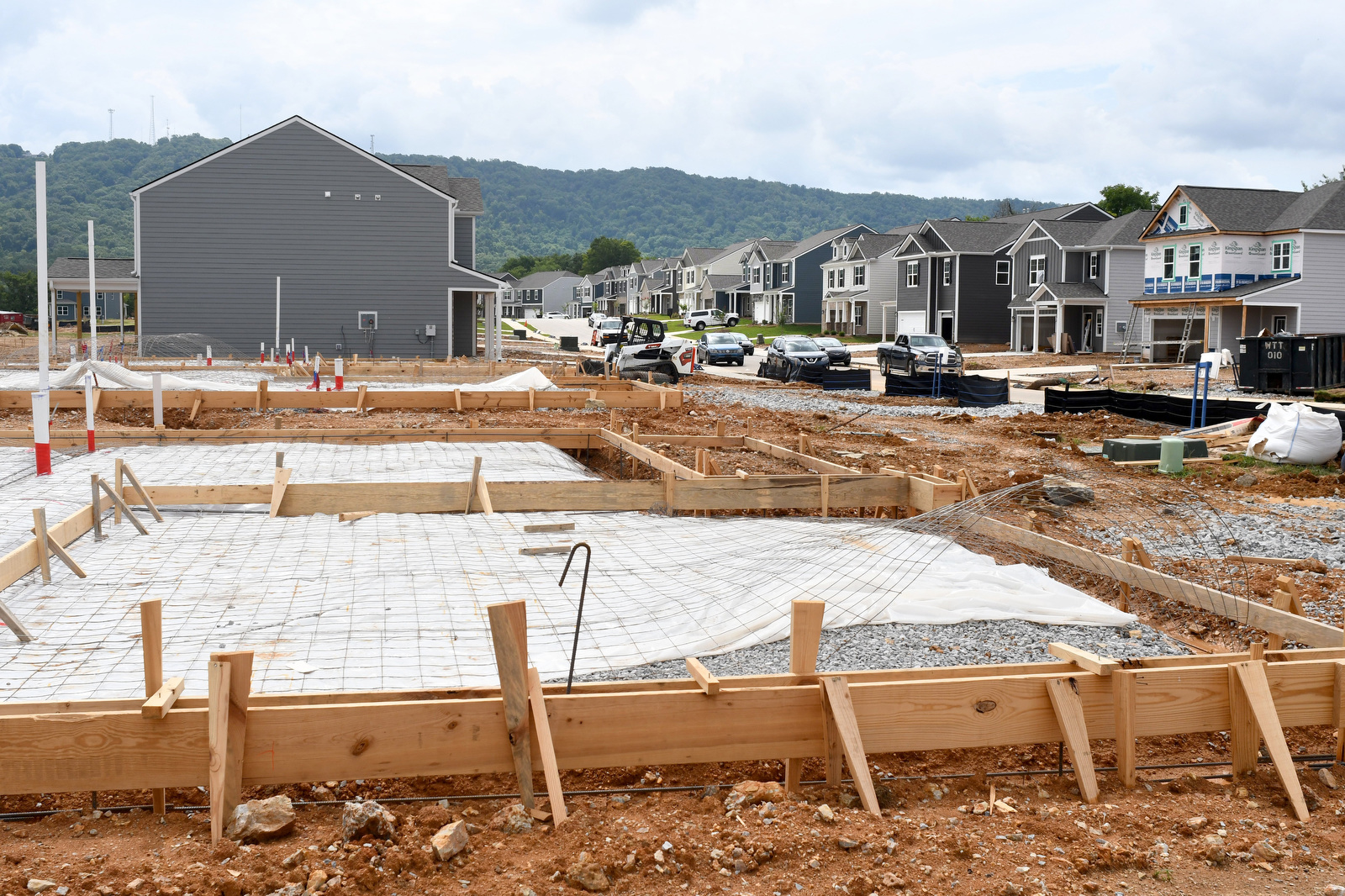
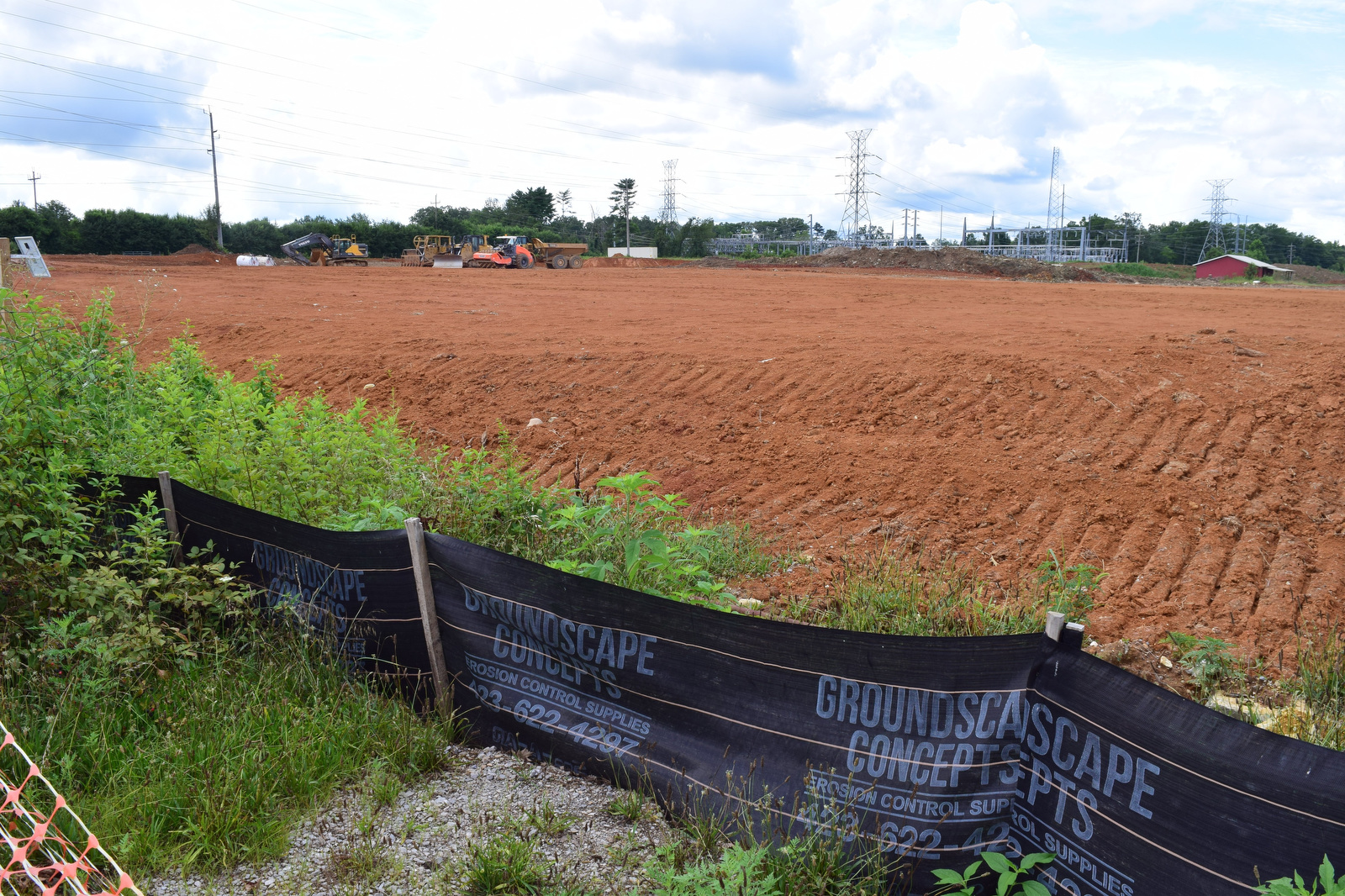
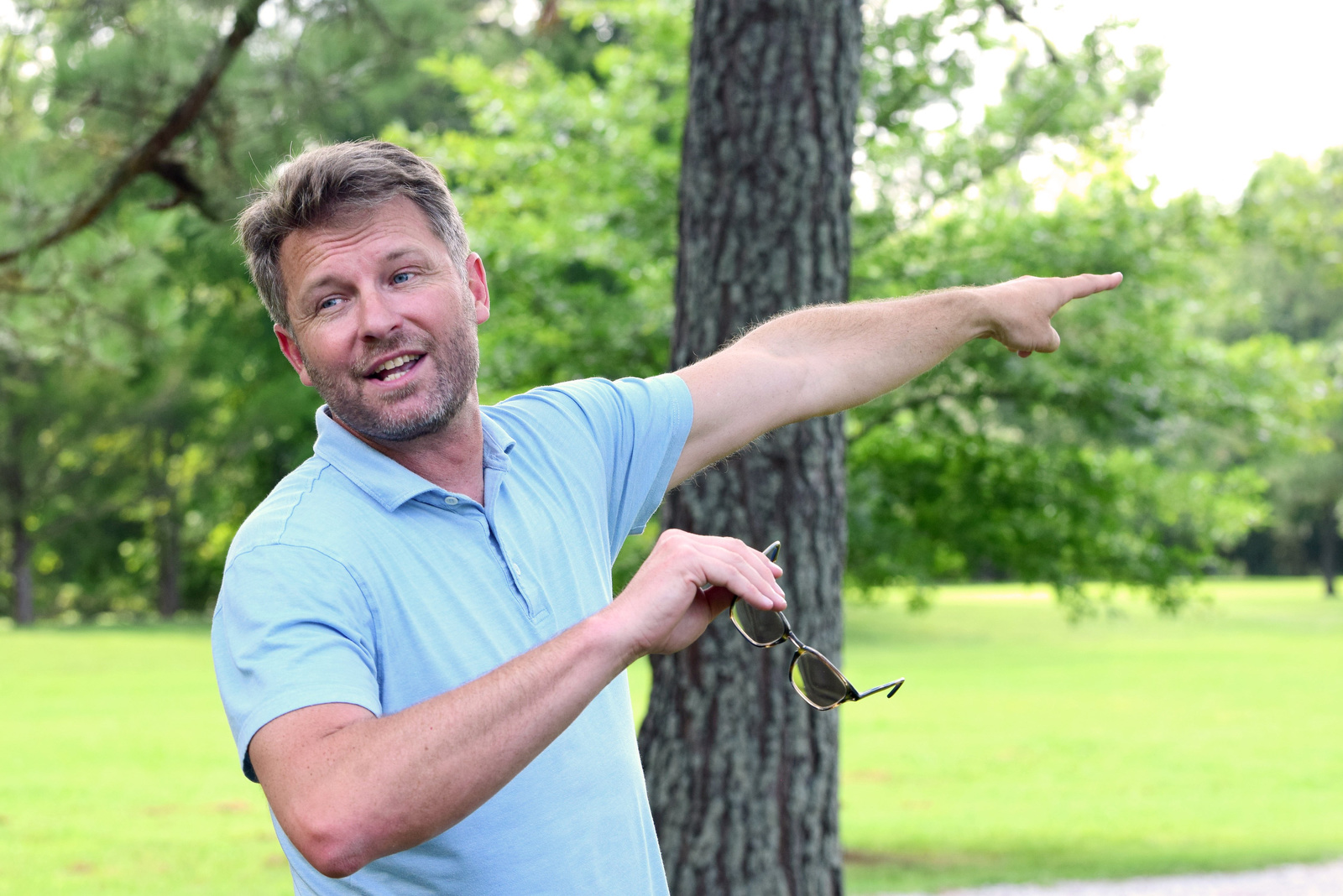
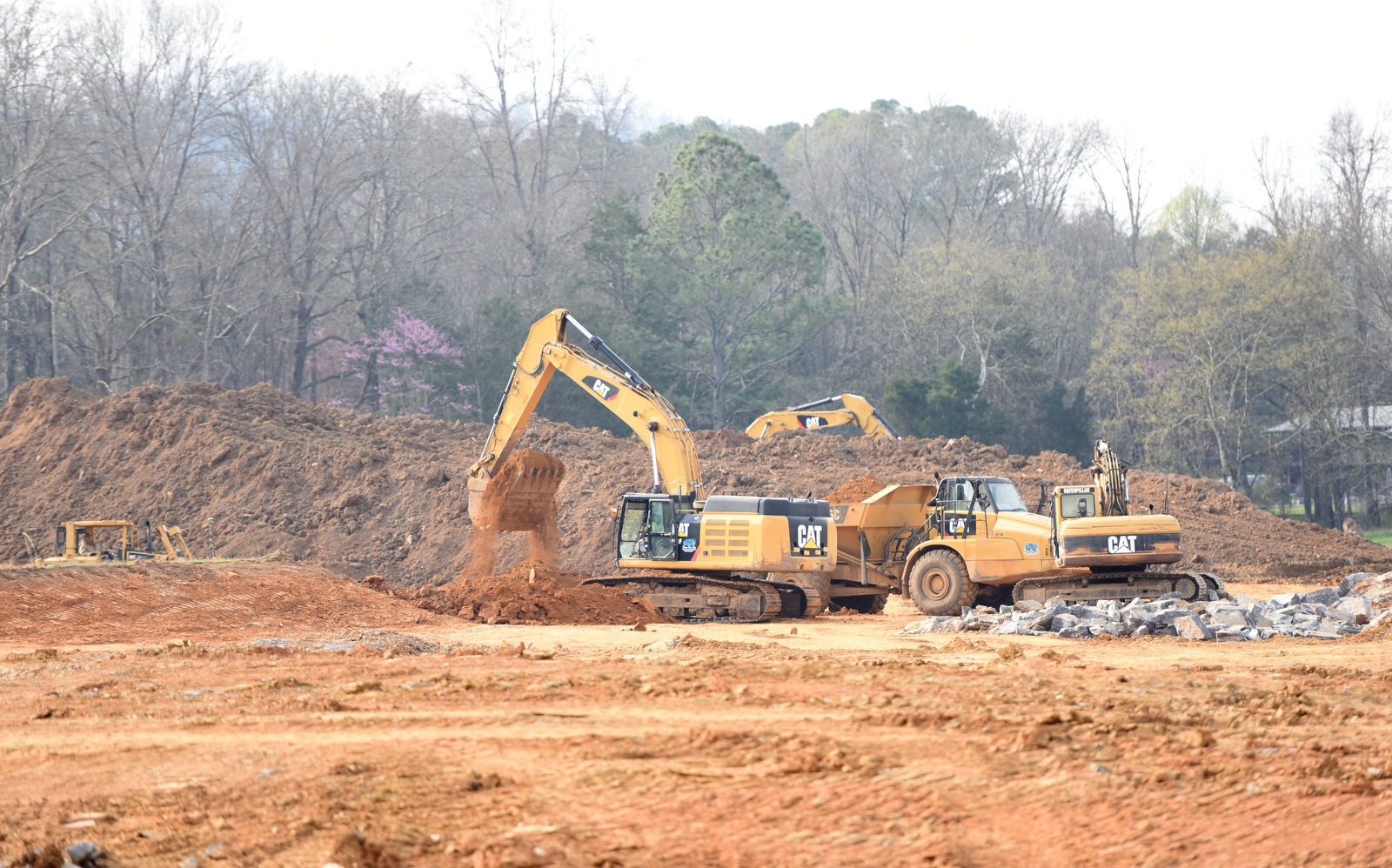
Andy Stone, a Chattanooga developer of the Black Creek housing development in Lookout Valley, told a group of about 50 people that conservation has taken a back seat in the past. He cited the Alton Park area, where lead-contaminated foundry sand was placed in the past, and Stone called for prioritizing green space.
“A lot of times, conservation and development can go hand in hand,” Stone said.
Dan Wright, Catoosa County manager, said he’s seeing growth pressure, with affordable housing “a tremendous issue.”
“I wish I could say there’s a silver bullet, but there’s not,” he said.
Heid said new housing is driving up land prices, and young farmers aren’t able to afford property.
“It’s driving out farmers,” she said, adding they’re selling their land because that’s where their money is.”We need housing for farmers and land for farmers.”
Heid mentioned creating better legal measures to help farmers transfer land to the next generation.
Durant said some states such as Florida have benefited from ballot initiatives that help conserve land.
“We’re exploring that work,” he said, which includes the education of public officials. “It’s an incredibly powerful tool.”
Durant also called for connecting urban and rural communities in decision-making processes.
Improved zoning in communities was discussed as a tool to strike a balance between growth and the environment.
Stone said zoning that creates more density in the city’s urban core is beneficial.
“Zoning is huge,” he said.
Wright said that where there are properties that have access to a trail system, “you see the value goes up.”
Contact Mike Pare at mpare@timesfreepress.com or 423-757-6318.+62