
It’s terrifying to think of writing about celebrating the Jewish New Year on Oct. 2 and its 10 Days of Awe while war rages with Iran-backed militias in Gaza and Lebanon. A friend reminded me, “If not you, then who? If not now, then when?” She’s not alone in quoting the historic Jewish scholar Hillel to me, to encourage my inner writer. I heard it 35 years ago when I was commissioned to write a manual: “Israel Dialogue with Christians and Jews.” Hillel’s quote was the answer to my desperate question: “Why me?”
For days, I tried to wrap my mind around that grueling topic. Yes, I finally did write the manual, explaining not only the Holy Land’s history, but the theological framework of that history. It’s complicated, involving centuries of diverse perspectives on Jews and Judaism. I struggled with researching how negative perspectives resulted in Jews being driven from the land, demonized, forced into ghettos, banned from social institutions and prevented from returning to the land.
The ghastly murder of 6 million Jews during the Holocaust was a culmination of centuries of that antisemitism. Post-Holocaust, there was a shift in attitude that brought the United Nations to declare Israel a nation in 1948, allowing Jews to finally return. Another shift came with the Catholic Church’s Second Vatican Council in the early 1960s, when the Council moved from long-held contempt to teaching that both Judaism and Islam were rooted in worship of the one true God and should be respected.
Every year, I celebrate New Year. But I also celebrate meeting with an icon of the Second Council, Cardinal Johannes Willebrands, when I coordinated the 1990 National Workshop on Christian-Jewish Relations. What a gift that was. I try to feel the humanity and ecumenism that Willebrands exuded, but not long after, I encountered international Holocaust denier David Irving. I knew that undercurrents of the past were still with us.
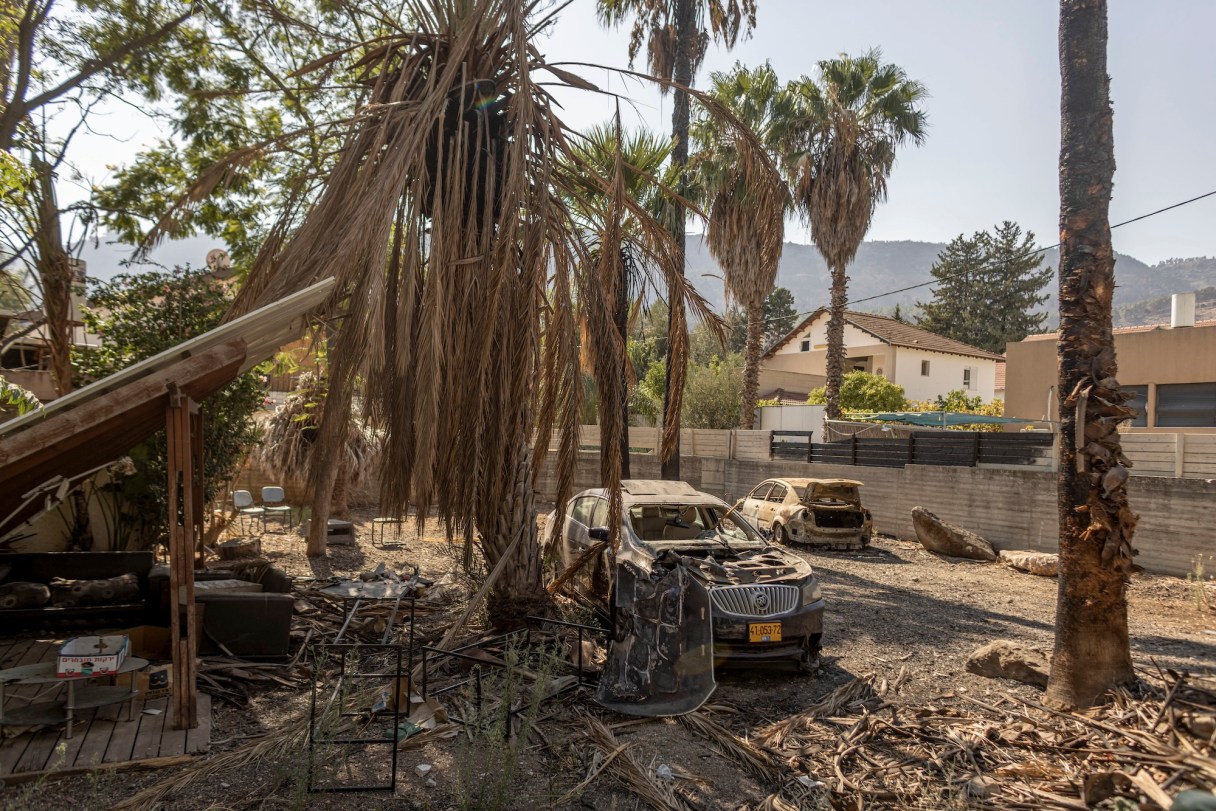
Israel dialogue today is full of fear and angst: Will Iran attack Israel with nuclear weapons? Will Israel and Lebanon’s Hezbollah start World War III? Will Gaza recover? Will hostages be recovered? Should Israel be wiped off the map … Hamas wiped out of existence? How does our Jewish community enjoy the traditional apples and honey symbolizing a sweet New Year when a regional war is underway? I have family in Israel, including my grandchildren. Joy isn’t my mindset now.