
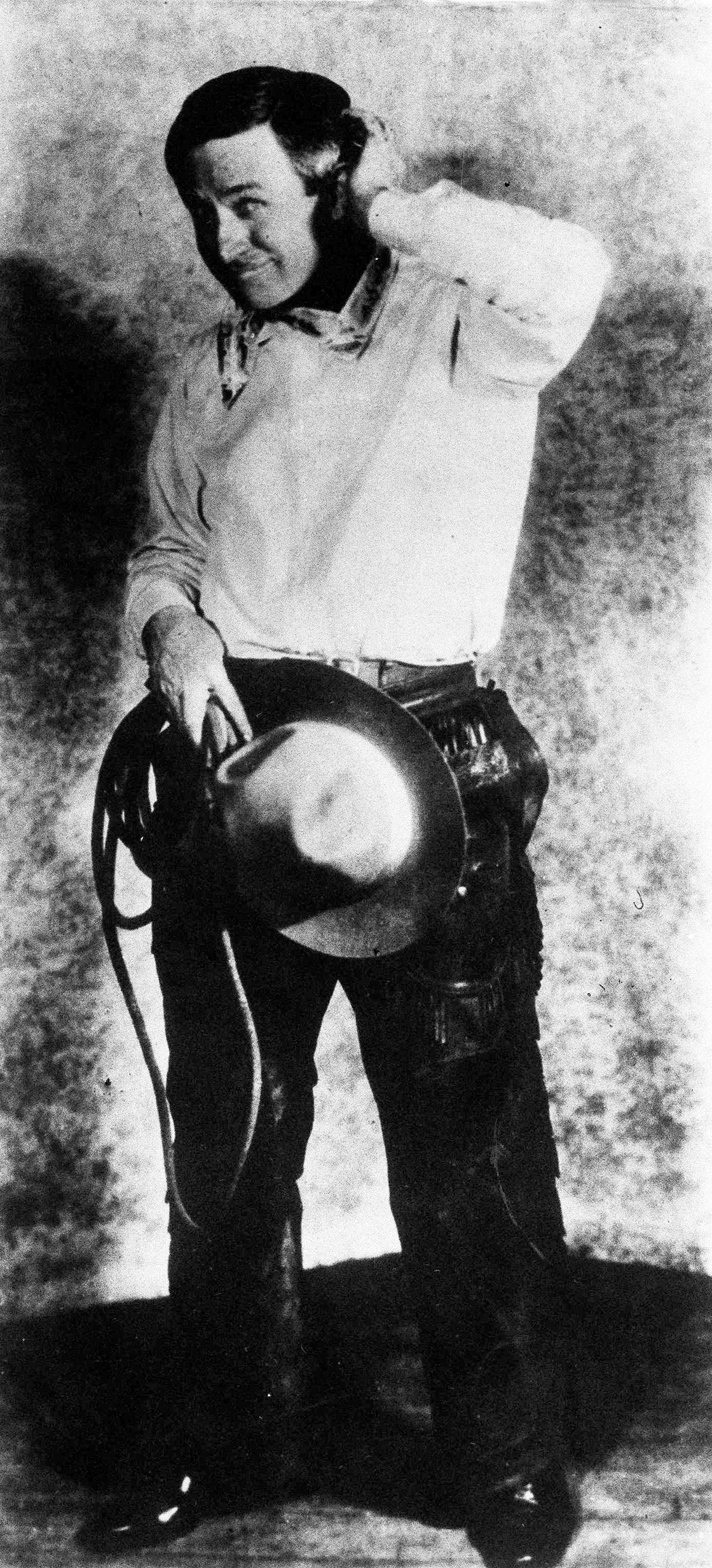
For those trying to come to terms with a particularly tumultuous election year full of deep divisions, ideological invective and personal insults, guidance can come from a historical figure whose insights into American politics still prove useful.
As I chronicle in my new book, “Citizen Cowboy: Will Rogers And The American People,” Will Rogers stood as perhaps the most influential commentator on public affairs in the United States a century ago. Born in Oklahoma, he had risen to fame as a cowboy humorist in vaudeville, the Ziegfeld Follies, Broadway shows and silent movies, and he earned public acclaim with his shrewd, folksy and witty observations on American life and values.
By the 1920s, this led to a syndicated column Rogers wrote for more than 300 newspapers, a stream of magazine articles and essays, and steady appearances on the national lecture circuit. He hosted a national radio program and had starring roles in several Hollywood “talkie” movies.
Rogers became the most beloved figure in America until his death in 1935. As I discovered in my research, a flood of eulogies appeared in newspapers and magazines following his passing. Typical was this one appearing in the Minneapolis Journal: “We all loved Will Rogers … . Poets we have had, and philosophers, and humorists of note; but not one among them all so endeared to the heart of the whole people. None was ever mourned with such genuine grief, none will be so missed from our common life.”
Especially fascinated by the nation’s politics, Rogers often trained his humor on its foibles and achievements alike. Three touchstones guided his commentary: a genial skepticism about politics as usual, a belief that politics must be subsumed within a broader perspective on life and, above all, an insistence that political discussants honor a code of civility.