
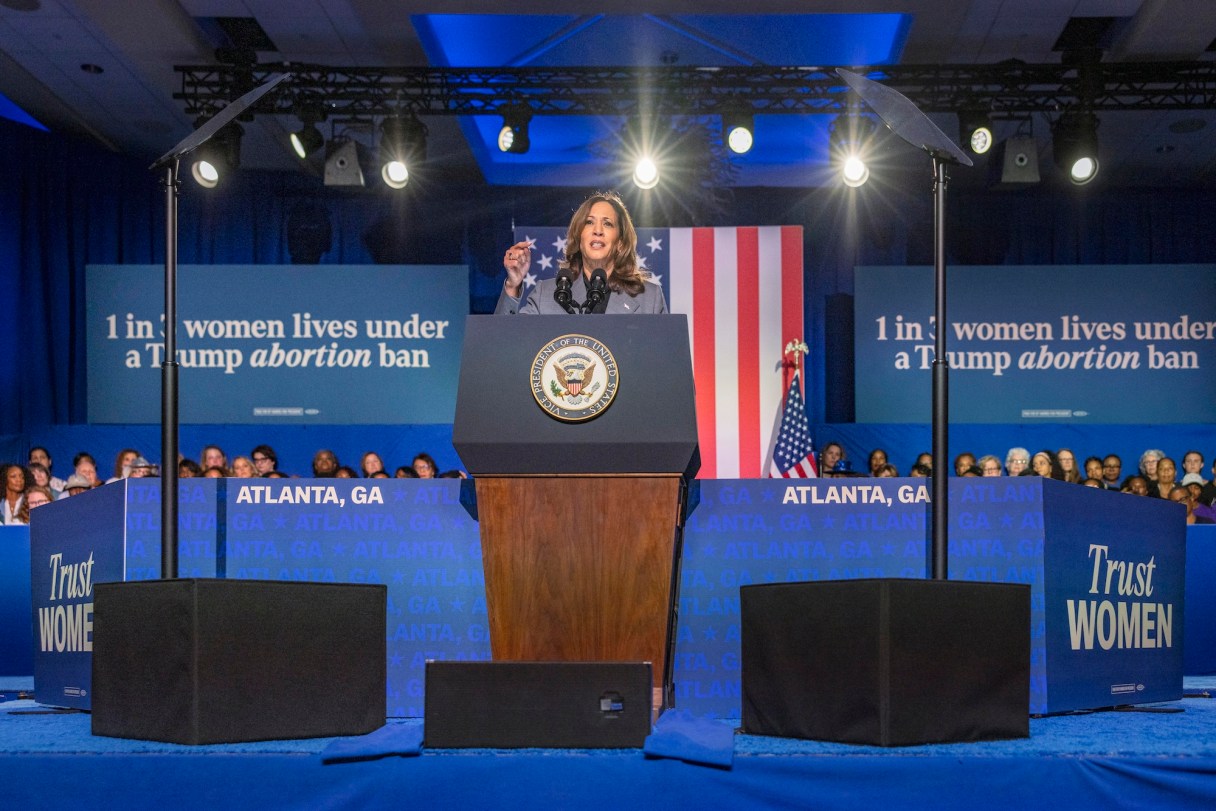
Which of the presidential candidates, Kamala Harris or Donald Trump, will prevail in the 2024 election? Perhaps this will be the moment when the people of the United States elect their first female president, but prediction is risky given the closeness of the polls.
The Democratic Party’s choice of Harris as its presidential nominee, together with Harris’ effective debate performance against Trump, has electrified Democrats, inspired young women and elicited considerable unease among Republican politicians. Yet, the wild card in this election is Harris’ gender, which affects voting above and beyond the policies favored by the candidates.
It is possible to be misled into thinking that gender is unimportant, for example, by the January Gallup poll finding that 93% of Americans reported that they would vote for a well-qualified female candidate for president from their party.
But there are widely shared gender stereotypes that undermine women’s access to the presidency. As polls have repeatedly shown, people believe that women are especially kind, supportive and understanding, and that men are especially assertive, bold and directive. These widely held beliefs matter because people associate effective presidential leadership more with these tougher masculine traits than the warmer and kinder feminine qualities. As a result, thinking about ideal leaders typically brings a man to mind, and this is especially true for male voters because they more strongly associate successful leadership with masculine qualities.
If Harris’ gender problem is that she doesn’t seem strong and assertive enough, it might seem that she would benefit from acting more like Trump. But that is too simple because dominant and assertive behaviors are much more acceptable in men. Many people dislike assertive women, and likability matters, especially in female politicians.