
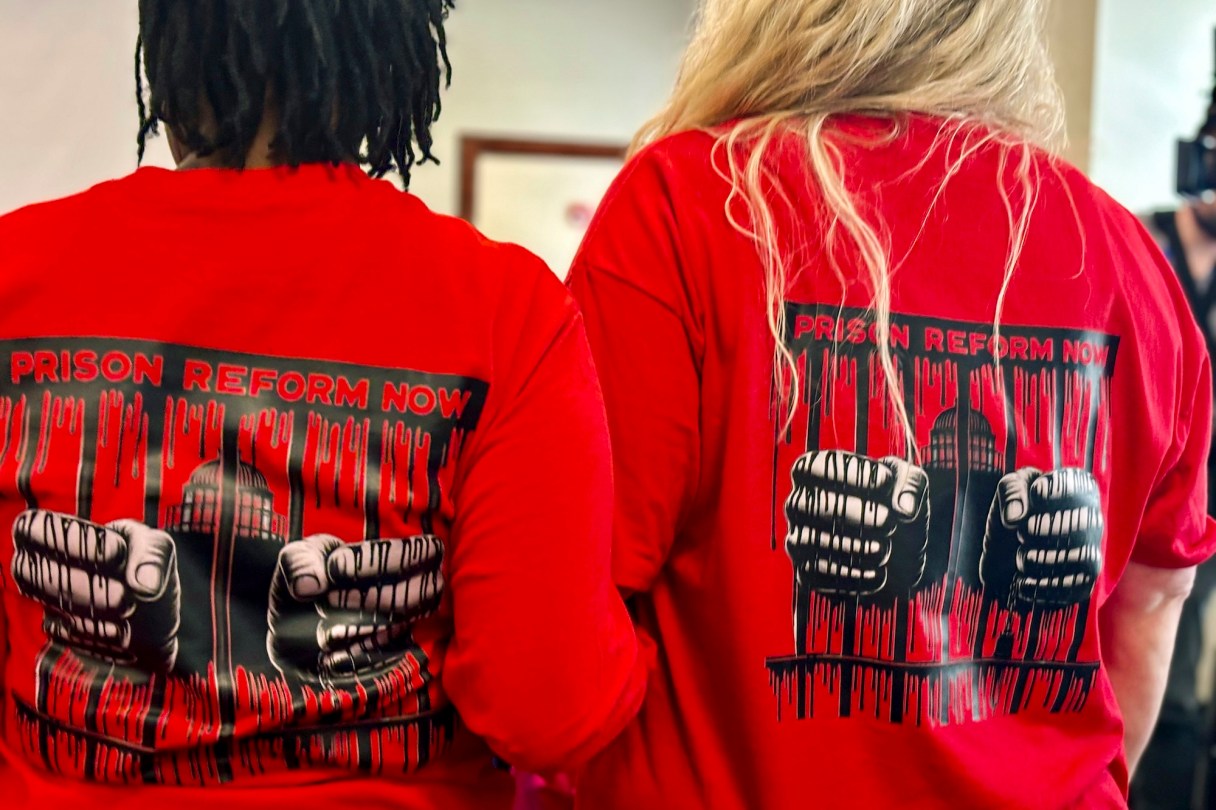
President-elect Donald Trump and nominees for his upcoming administration often speak about cutting spending to reduce the debt. Some of the targets are familiar, but one that is never mentioned is the amount of money that could be saved by releasing, or not incarcerating in the first place, nonviolent offenders.
According to The Sentencing Project, 72.1% of federal prisoners are serving time for a nonviolent offense and have no history of violence. More than half are for drug offenses.
The U.S. has more people incarcerated in jails and prisons than any other “free” nation.
According to the Prison Policy Initiative, prisons, jails and other forms of incarceration “hold over 1.9 million people in 1,566 state prisons, 98 federal prisons, 3,116 local jails, 1,323 juvenile correctional facilities, 142 immigration detention facilities, and 80 Indian country jails, as well as in military prisons, civil commitment centers, state psychiatric hospitals, and prisons in the U.S. territories — at a system-wide cost of at least $182 billion each year.”
The Federal Bureau of Prisons says the cost of caring for an individual’s needs in jails and prisons for the year 2020 was determined to be $39,158. As noted by the website Julota.com, “considering that the median real income level in the U.S. for 2019 was below that number at $35,977, it is safe to say that incarceration doesn’t pay for anyone, not the offender and not the American community and taxpayer.” Like everything else, the costs since then have likely increased.