
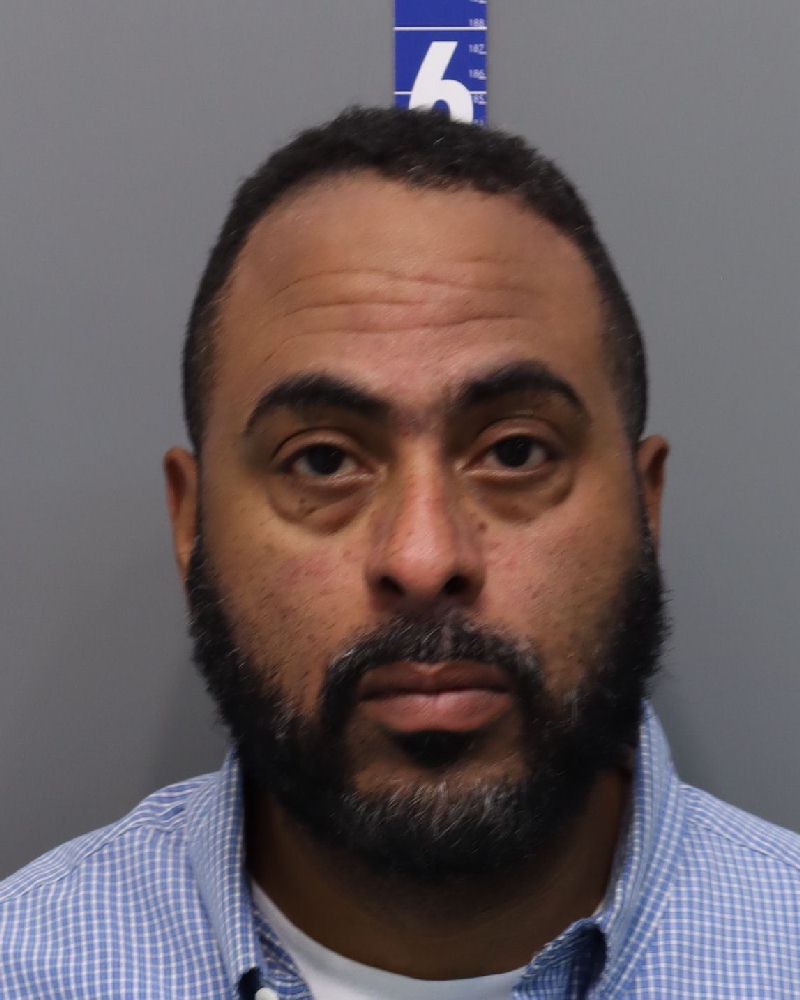
After months of questioning the validity of evidence that led to a Hamilton County man’s drug indictment, his defense attorney said Friday he intends to raise a separate issue of mostly white juries he says are unconstitutional.
In a motion, Chattanooga attorney Ryan Wheeler accused the county last year of having an unconstitutional jury selection process that garners juries that don’t reflect the makeup of the community.
Wheeler filed the motion on behalf of client Wendell Glass, 50, who is accused of possession of cocaine with intent to manufacture, deliver or sell.
Hamilton County Criminal Court Judge Barry Steelman ultimately denied the motion in October, in part on the grounds that there was no readily available data supporting the allegations, and it would cause further unnecessary delay to Glass’ case.
But Wheeler said Friday he now has the needed data.
He takes issue with the county’s list of potential jurors coming exclusively from driver’s license data.
White citizens and those of higher economic status are more likely to hold a valid Tennessee driver’s license, the motion said, and Hamilton County recently held trials with very few Black citizens to choose from.
Wheeler obtained county race data from the Tennessee Department of Safety and Homeland Security, which maintains license records, he said.
University of Tennessee at Chattanooga professor David Ross is expected to process the records, which are expected to show the county jury pools don’t reflect the racial makeup of the community, according to Wheeler.
Hamilton County is about 71% white, 18% Black, 7% Hispanic or Latino, 2% Asian and 2% other, according to U.S. Census Bureau data.
So, he argues, about 17% to 19% of the people summoned to potentially serve on a jury should be Black to be representative of the county’s demographics.
(SIGN UP: Get today’s Chattanooga area news, sports and entertainment directly to your inbox. Sign up for our free newsletters at timesfreepress.com/newsletters.)
It isn’t the only legal issue in Glass’ case that may delay an anticipated May trial date.
Evidence obtained by a confidential informant is the linchpin of Glass’ case. Wheeler and defense attorney Jonathan Turner both argued an informant may have been improperly used in his case, citing the Chattanooga Police Department’s previous mishandling of informants.
So Steelman ordered prosecutors hand over unredacted evidence, such as the marked bills the informant allegedly used to purchase drugs from Glass.
The state eventually turned over evidence, but it was redacted. Steelman found last month it was sufficient proof that a confidential informant made drug buys.
Prosecutors have a duty they are well aware of to review it themselves, Steelman said at the time.
“I take it that they have,” Steelman said.
But the evidence that was provided was not what Steelman asked for, Glass said.
Prosecutor Kelli Black said the state complied and doesn’t acknowledge that anything remains for them to do.
Wheeler alleged there was no evidence shown to Steelman related to officer presence while using informants, the log or whether the informant was searched prior to the drug deal to prevent planted drugs.
He doesn’t have access to any of the evidence shown to Steelman, though.
“They have absolutely no ability to know what they said on the record,” Black said.
Steelman said he intended to review his previous orders, the prior hearings and the expected jury motion to determine what comes next at a March 21 court date.
Contact Sofia Saric at ssaric@timesfreepress.com or 423-757-6476.
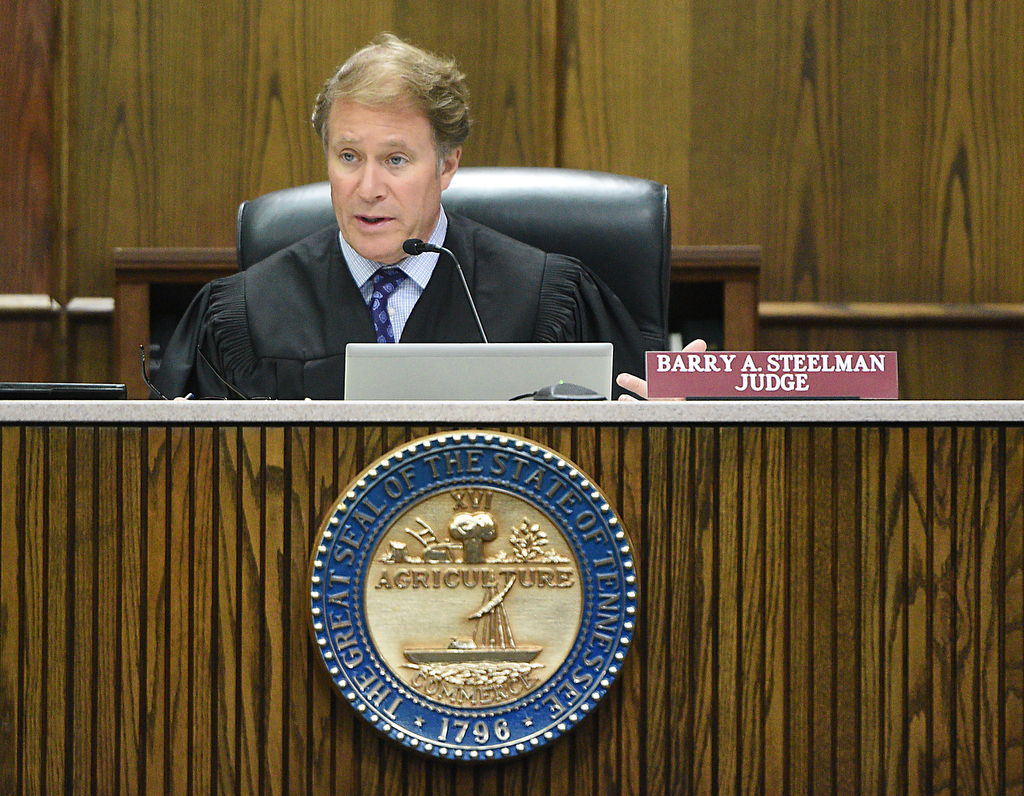 Staff file photo by Matt Hamilton / Judge Barry Steelman speaks at the courts building in Chattanooga.