
Q: I often feel unsure whether a symptom is serious enough to call my doctor. Are there any general rules of thumb to help me decide when to seek medical care?
A: One of the most common questions people have when they start feeling unwell is, “Should I call the doctor?” It can be tough to know when a symptom is worth a visit to your primary care physician, but there are some simple guidelines that can help you decide.
In general, if a new symptom lasts for more than two weeks — or seems to be getting worse instead of better — it’s a good idea to check in with your doctor. Some symptoms, though, should be evaluated sooner rather than later. For example, if you’re experiencing wheezing, shortness of breath or a cough accompanied by a fever, those are signs that shouldn’t be ignored. Sudden and severe abdominal pain, diarrhea with blood or fever, or difficulty urinating are also reasons to make an appointment.
Skin issues, like a rash that doesn’t go away or a mole that’s new or changing, are another area where a doctor’s evaluation is important. Early intervention in these cases can make a big difference in outcomes, especially if the cause is something that requires treatment, like an infection or a skin cancer.
Timing can also be crucial when it comes to certain illnesses. For example, conditions like influenza and shingles respond best to treatment if it begins soon after symptoms appear. So if you think you might have one of these, don’t wait to call your doctor.
Of course, there are symptoms that require immediate attention. If you or someone you’re with experiences chest pain, pressure or a feeling of heaviness in the chest — especially during exertion — it could be a sign of a heart attack. Similarly, sudden slurred speech, confusion, weakness on one side of the body or changes in vision could indicate a stroke. These are emergencies, and you should call 911 right away if they occur.
Beyond addressing symptoms, your primary care doctor is also your partner in prevention. Vaccines, for example, are a powerful tool in protecting your health. There are effective vaccines for illnesses like shingles and the flu, and your doctor can help you determine what’s recommended based on your age, health and lifestyle.
At the end of the day, your primary care doctor is there to help you navigate your health, whether it’s managing symptoms, preventing illness or answering questions. Developing a strong relationship with your doctor is one of the best steps you can take to support your long-term wellness. And when in doubt, it’s always better to call and ask — that’s what we’re here for.
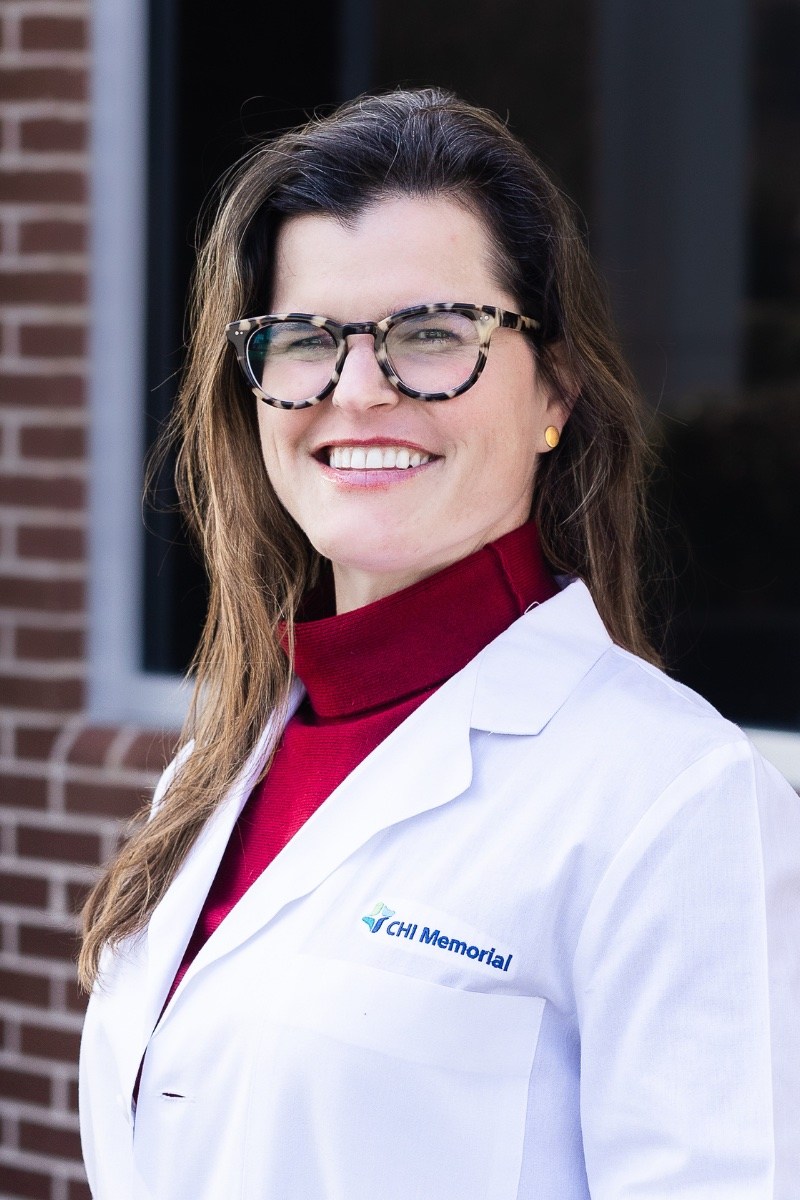
Dr. Ann Collins is a family medicine physician with CHI Memorial Family Practice Associates – Ooltewah and a member of the Chattanooga-Hamilton County Medical Society.