
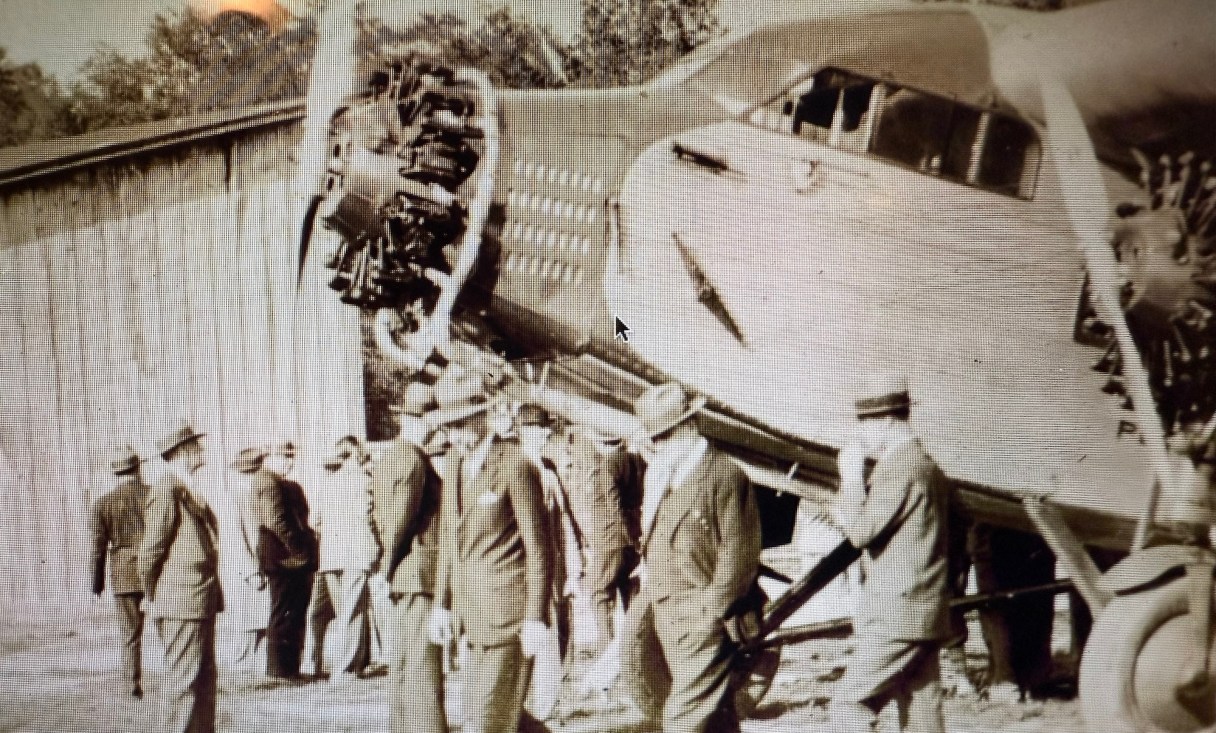
(Editor’s note: One in a series)
Chattanooga embraced air transportation in the late 1910s by committing funding to an innovative Marr Field, which had later welcomed Charles Lindbergh on his promotional tour, been chosen as an airmail hub, and become a standard landing site for private and corporate pilots traveling north to south. However, a tragic accident just before Christmas 1927 called the field’s safety and future into question.
In early 1928, a new proposal by W.C. Wakefield that Marr Field become a “connection” on the Dixie and Northern Air Line route led to a closer examination of the landing site. While Wakefield, president of the line, believed that Marr Field could be upgraded with little expense, Benjamin King, proprietor of the Tennessee Air Transportation Company, the major regional leasing and operating firm for the field, disagreed. King’s analysis led to a closer investigation.
King stated in a 1928 Chattanooga News story that making Marr Field safe for both standard smaller planes and larger craft utilized by the emerging commercial airlines would require extensive improvements. “In order to make it safe for the landing and take-off … a cross runway would have to be established, which would necessitate the lease of more land.”
But changes did not stop there. “The property in the south end of the field would have to be graded and graveled, and other improvements would have to be made … by the city as it is not customary for private commercial concerns to make improvements of a permanent nature on airports.” King concluded that Marr Field simply did not have the “land facilities” to accommodate future growth.