
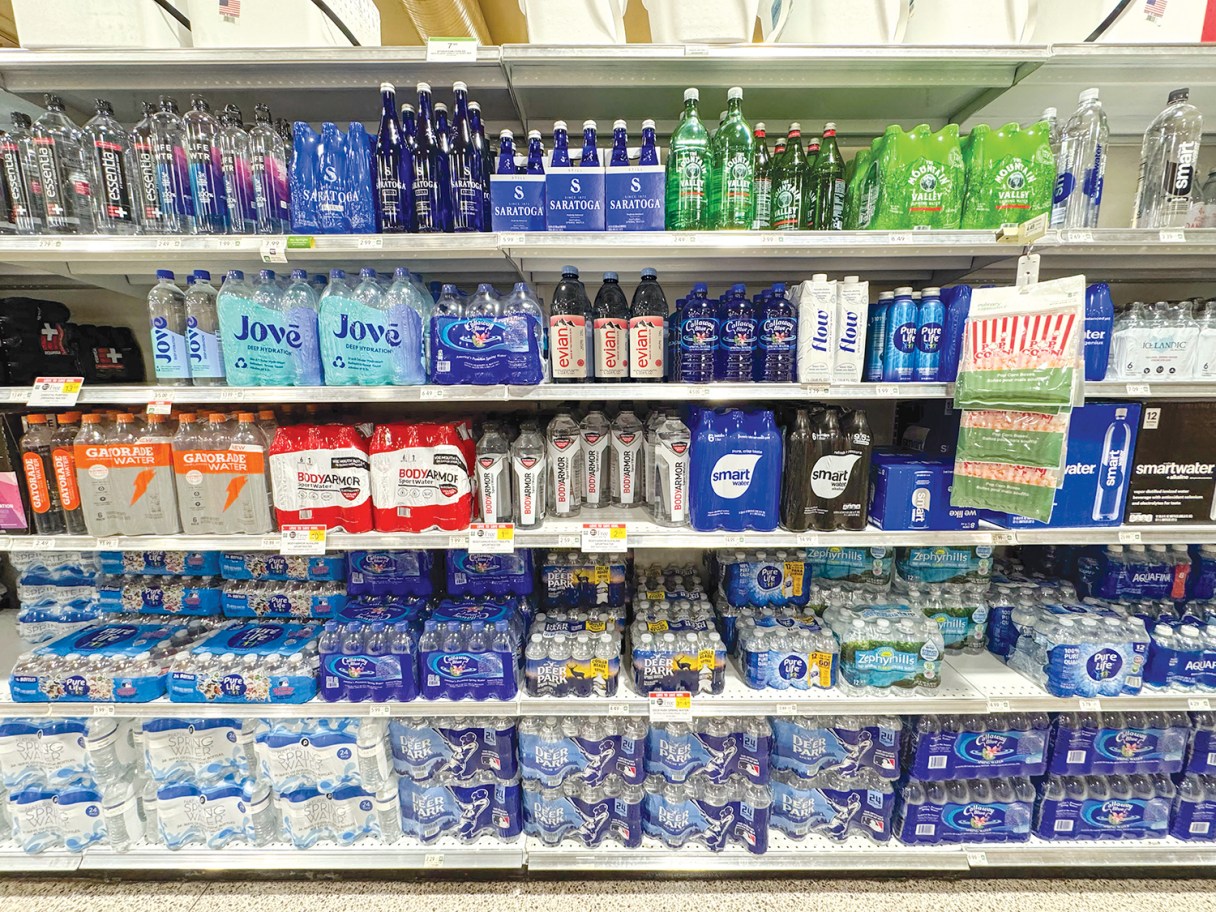
How much water is necessary to drink? It’s a question many want an answer to.
The human body is made up of approximately 60-70% water.
“It’s involved in pretty much everything that our body does, from our blood to the insides of the cells. Everything,” says Daniel Shults, a doctor of osteopathy specializing in family medicine at CHI Memorial Primary Care Associates – Atrium. “We hear ‘drink water’ all the time, but we don’t necessarily know why.”
Education on water’s importance may encourage people to drink more, he adds. Some of its benefits include increasing energy, aiding in weight loss and treating chronic headaches, which can be caused by dehydration.
According to Shults, it’s easy to access drinks that taste better than water, whether by driving to McDonald’s or visiting a supermarket.
“We kind of have a dehydration epidemic in our country, because we have so many other options that don’t help,” he says. “I think that certainly has gotten worse, even as our filtration systems have gotten better. So technically, water tastes better than it ever has.”

Medical professionals previously recommended eight glasses with 8 ounces of water daily, Shults says. Now, research shows drinking water whenever one is thirsty is the best way to go, but the goal is still 64 ounces throughout the day to be healthy.
“A lot of people, when they’re thirsty, they’ll go for a soda or something like that … so they stay dehydrated,” he says.
It’s important to hydrate 30 minutes to an hour before exercising and to keep drinking during activity, plus an hour or two afterward to combat dehydration, he says. Electrolyte sports drinks are beneficial during outside work, and morning hydration is another good practice. A diabetic or someone with high blood pressure should also regularly hydrate.
Drinking too much water is possible but difficult, Shults explains. For example, if someone drinks around a gallon, or 128 ounces, in an hour, their cells can fill up with excess water and burst.
“As the water flows in, there’s not enough sodium, and so you start to see that usually in the brain first,” he says. “You start to get dizzy, lightheaded, start getting disoriented. Eventually, you would lose consciousness.”
Too much water causes blood cells to leak, he says, and it’s possible to bleed from various places as a result.
He adds that drinking water doesn’t have to be bland. Sparkling water, vitamin water and water with flavor packets are still mostly pure water.
There’s some evidence that sparkling water can have a diuretic effect, which can increase urination and dehydrate people, he says. Caffeinated beverages are also diuretics, making them bad alternatives to water, but herbal teas are fine.
“I usually tell my patients that if the zero-sugar flavorings and stuff get them more water, that’s certainly better than no water at all,” he says.
Still, they’re likely not as beneficial as drinking pure water. Shults says drinking straight water seems to be less common than it used to be. There are even bottles that flavor water once it’s added to the container, without directly impacting the beverage. People add sugars, sweeteners and more to water to make it more powerful or more flavorful, which can reduce its benefits.
In comparison, drinking flavorless water seems boring, Shults says. Some people dislike the taste. That’s why they opt for sodas and other beverages when thirst hits.
One trend making headlines is IV drip therapy. During these treatments, people — oftentimes celebrities and social media influencers — hook up to an IV to get their water intake.
Usually, this is done to mitigate severe dehydration, such as an extreme hungover, Shults says. But most people can absorb water by drinking it normally and without needing to pay hundreds of dollars for a treatment.
Using a branded cup like a Stanley or Owala could increase water access, he says, and people could track their water by drinking two a day. Though they are often on the pricey side, tumblers are good if they motivate you to want to drink more water.
“If it’s there, you are more likely to drink that than having to go fill up a Styrofoam cup or something like that every time,” he says. “If you have 40 ounces right there, you’re doing a really good job of getting a good portion of your hydration.”